
Mange in feral cats, caused by parasitic mites, leads to skin problems and discomfort. Effective treatments like Revolution and Bravecto help manage mite infestations. Antibiotics treat secondary bacterial infections, aiding recovery. Isolation prevents mite spread in colonies. Veterinary consultations guarantee accurate diagnosis and long-term care. Managing skin inflammation and preemptive measures are essential. The right treatment is key for feral cats' well-being.
Understanding Mange in Feral Cats
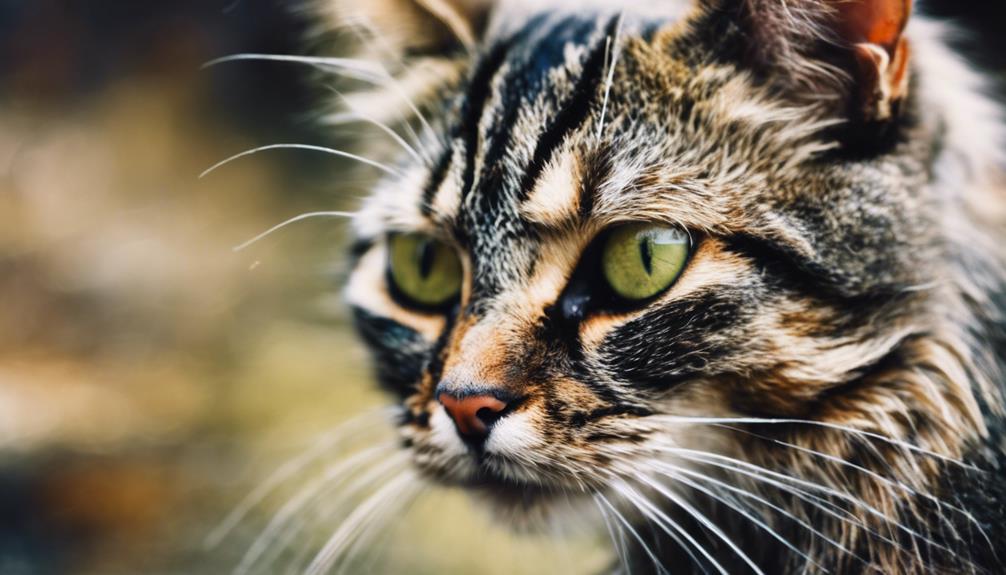
Feral cats, often exposed to harsh outdoor environments and lacking regular veterinary care, are particularly vulnerable to contracting mange, a skin condition caused by parasitic mites. Mange in feral cats can lead to severe skin problems and discomfort.
Understanding and treating mange is essential to alleviate suffering and prevent further health issues among feral cat populations. Effective management strategies involve trapping for treatment, providing shelter, and raising community awareness.
Diagnosing Mange in Feral Cats
Diagnosing mange in feral cats involves closely examining their skin for key symptoms such as scabbing, hair loss, and redness.
To confirm the presence of mites causing the condition, skin scrapes are collected and analyzed under a microscope.
Early diagnosis is vital as feral cats with mange may display intense itching, skin crusting, and visible mite infestations that require immediate attention.
Skin Scrapings for Diagnosis
Skin scrapings are a pivotal diagnostic method employed by veterinarians to detect mites or their eggs in feral cats afflicted with mange, aiding in the precise identification of the mite species causing the infestation. This procedure involves taking a sample of the cat's skin to examine under a microscope.
The presence of mites or their eggs in the skin scrapings is essential in confirming the diagnosis of mange and determining the appropriate treatment plan.
Clinical Signs Observation
To effectively identify and diagnose mange in feral cats, careful observation of clinical signs such as hair loss, redness, itching, and skin lesions is imperative. Feral cats with mange may exhibit excessive scratching, scabs, crusts, and thickened skin in affected areas.
Skin scrapings and microscopic examination are essential for determining the specific type of mite causing mange in feral cats, aiding in accurate diagnosis and treatment planning.
Treatment Options for Mange
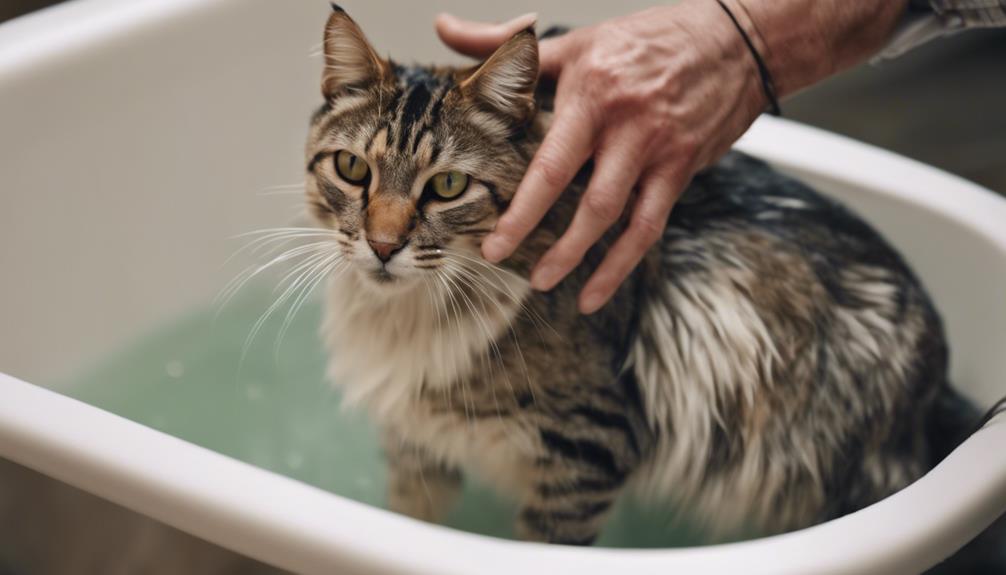
Effectively managing mange in feral cats involves implementing targeted prescription treatments such as Revolution and Bravecto. Administering specific products for mite infestations, like feline scabies and ear mites, is important for successful treatment. Secondary bacterial infections from mange may require antibiotics. Soothing inflamed skin aids in faster recovery. Proper care is essential to prevent spread and guarantee successful healing.
| Treatment Options for Mange | |
|---|---|
| Revolution | Targeted Prescription Treatment |
| Bravecto | Effective for Mange Management |
| Feline Scabies Products | Specific Mite Infestation Treatment |
| Ear Mite Treatments | Addressing Common Mite Issue |
| Antibiotics | Needed for Secondary Infections |
Isolation and Quarantine Practices
Implementing proper isolation and quarantine practices is essential in effectively managing mange outbreaks in feral cat populations. Isolating feral cats with mange helps prevent the spread of the mites that cause the condition to other cats in the colony.
Quarantine practices involve separating affected cats to avoid transmission of mites to healthy cats. These measures can break the cycle of mange infection, allowing for focused treatment and monitoring to improve the cats' health.
Veterinary Consultation Importance
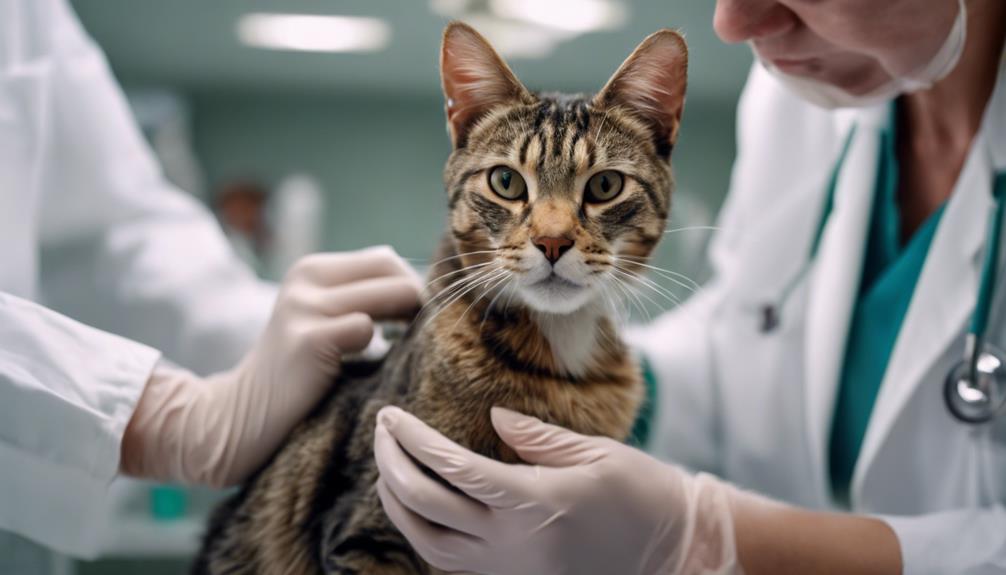
Seeking professional veterinary consultation is essential for accurately diagnosing and treating mange in feral cats. Veterinarians can prescribe appropriate medication, especially for severe cases of mange.
Regular check-ups are vital for the long-term health of feral cats. Additionally, vets offer guidance on managing any secondary bacterial infections that may arise alongside mange.
Monitoring the treatment progress through veterinary care guarantees the overall well-being of feral cats.
Comprehensive Treatment Approach
Addressing mange in feral cats requires a thorough treatment approach that includes medication for mange, environmental treatment methods, and supportive care options.
Properly medicating infected cats, improving their living conditions, and providing necessary care contribute to managing mange effectively.
Collaborating with professionals and utilizing community support are essential components in the holistic treatment of feral cats with mange.
Medication for Mange
When treating mange in feral cats, utilizing prescription medications such as Revolution Plus and Bravecto for Cats is an essential component of a comprehensive treatment approach. These medications target mite infestations effectively. Antibiotics may also be required to combat secondary bacterial infections. Consultation with a veterinarian is vital to determine the appropriate medication and dosage for treating mange in feral cats.
| Medications | Purpose |
|---|---|
| Revolution Plus | Eliminates mites and soothes skin |
| Bravecto for Cats | Effective treatment for mange |
| Antibiotics | Address secondary bacterial infections |
Environmental Treatment Methods
Implementing thorough environmental treatment methods is essential for effectively managing mange in feral cats and promoting their recovery.
- Clean living spaces to remove mites.
- Wash bedding and materials in hot water.
- Vacuum and sanitize areas regularly.
Supportive Care Options
Supporting the recovery of feral cats with mange involves thorough care that includes monitoring for secondary infections and providing essential resources for their well-being. It is common for a cat with mange to exhibit signs such as hair loss, itching, and skin irritation. Utilizing a holistic treatment approach, offering shelter, clean bedding, nutritious food, and regular veterinary check-ups are vital in managing mange effectively.
| Supportive Care Options | |
|---|---|
| 1. Monitor for secondary infections | 2. Administer antibiotics as needed |
| 3. Isolate affected cats | 4. Provide shelter and nutrition |
Managing Skin Inflammation
Proper wound care and soothing treatments can significantly alleviate discomfort and promote healing in feral cats with mange. This involves using gentle cleansers to keep affected areas clean, applying topical ointments to reduce inflammation, and administering medications prescribed by a veterinarian for effective treatment.
Implementing these strategies can help manage skin inflammation and provide relief to the feral cats suffering from mange.
Can Mange and Ringworm in Cats Have Similar Treatment Approaches?
When treating ringworm in cats, it’s essential to differentiate it from mange. While both are fungal infections, ringworm requires antifungal medication and topical treatment. Mange, on the other hand, calls for specific mite-killing products. It’s crucial to consult a veterinarian to determine the correct treatment approach.
Preventative Measures for Mange
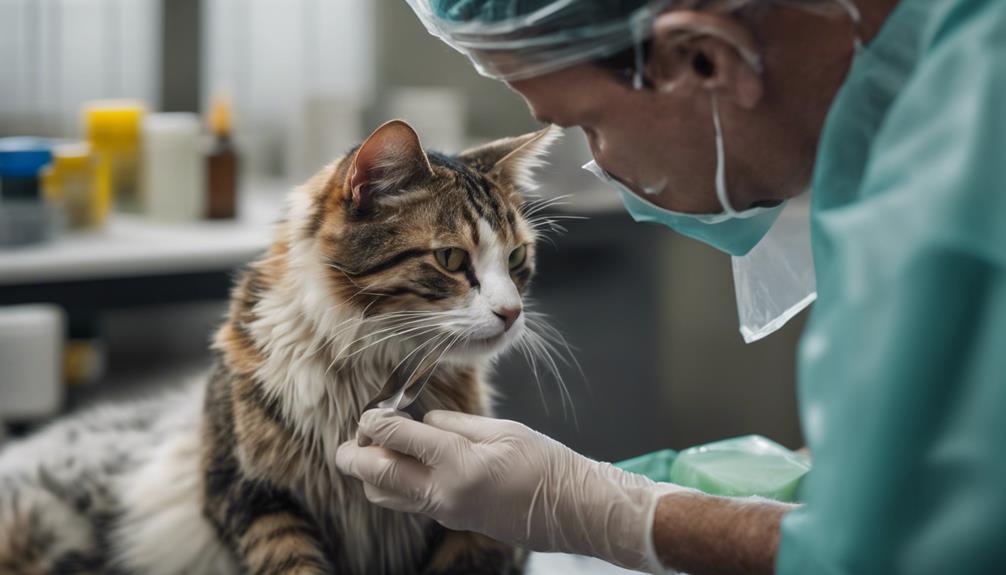
To effectively prevent mange in feral cat populations, vigilance in monitoring for early signs and providing essential care can greatly reduce the prevalence of the disease. Strengthening the immune system of feral cats through proper shelter and nutrition is vital. It's important to remember that mange is caused by mites and while it's not contagious to humans, it can severely impact feral cat colonies.
| Preventative Measures for Mange | |
|---|---|
| Implement trap-neuter-return programs | Strengthen immune system of feral cats |
| Regularly monitor for signs of mange | Collaborate with animal welfare organizations |
| Provide proper shelter and nutrition | Educate the community on responsible care |