
Catnip is generally safe for cats, coming from the mint family with an active compound called nepetalactone triggering euphoric behaviors in most cats. It's beneficial for mental and physical stimulation without addiction risks. Monitoring is important to prevent overconsumption, which can cause mild stomach upset. Signs of vomiting or diarrhea denote potential issues. While safe, caution is advised for hyperactive cats. Offering catnip in various forms like dried or fresh in moderation on toys can enrich their playtime. Awareness of its effects and cautious use guarantees responsible pet care. Understanding catnip nuances secures feline well-being.
What Is Catnip?

Catnip, scientifically known as Nepeta cataria, is a leafy green perennial herb belonging to the mint family. It contains an oil called nepetalactone, which induces euphoria in most cats.
While historically used as a natural remedy, catnip lacks scientific evidence for specific ailments but is considered safe for cats. While catnip has been used for centuries to help with various feline ailments, there is a lack of concrete scientific evidence to support its effectiveness. However, it is generally considered safe for cats to consume and can provide them with entertainment and mental stimulation. It is important to note that while catnip is safe for cats, they should never be given human antibiotics without the guidance of a veterinarian as these medications can be harmful to their health. Can cats have human antibiotics? It’s best to always consult a professional before giving a pet any human medication.
This herb, also known as catmint or field balm, is easy to grow but can become invasive in certain environments.
How Catnip Affects Cats
Catnip's influence on feline behavior is primarily attributed to nepetalactone, an active compound in catnip. This oil triggers euphoric responses in most cats, causing behaviors like sniffing, rubbing, rolling, vocalizing, and playing. The effects typically last up to 15 minutes, followed by possible sleepiness.
Kittens may not react due to genetic factors. Catnip can benefit indoor cats by providing mental and physical stimulation, enhancing their overall well-being.
Is Catnip Safe?
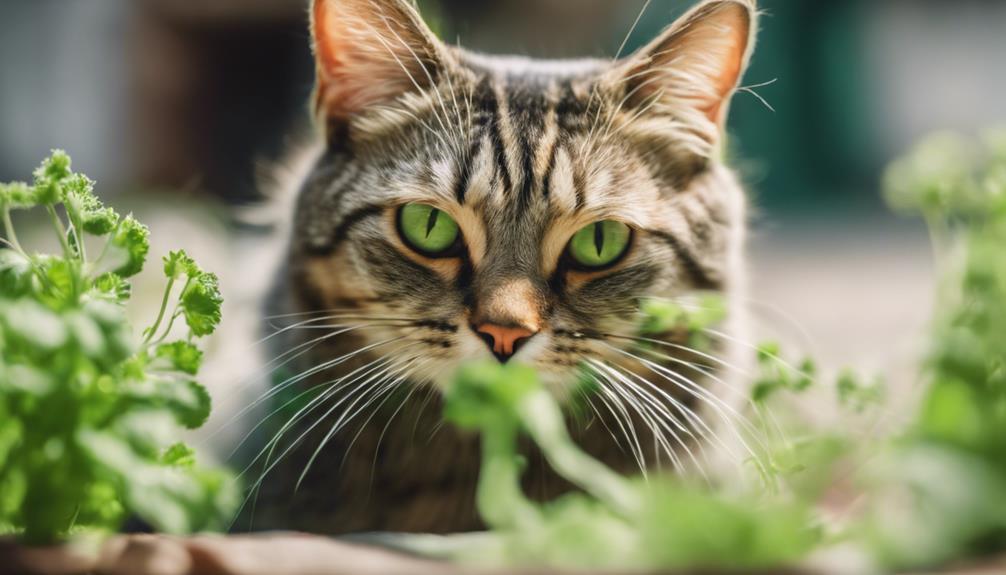
When considering the safety of catnip for felines, it is important to note that catnip is generally regarded as safe and non-toxic for cats to consume. Overconsumption may lead to mild stomach upset like vomiting or diarrhea. Catnip is not addictive, with effects lasting around 5 to 15 minutes. Moderation is key when offering catnip to prevent overindulgence.
| Safety | Effects | Caution |
|---|---|---|
| Safe and non-toxic | Short-lived effects | Offer in moderation |
| No addiction risk | Hyperactivity | Watch for overconsumption |
Catnip Warning Signs
Excessive consumption of catnip may manifest in cats through various warning signs indicating potential overindulgence. Cats may exhibit vomiting, diarrhea, hyperactivity, or agitation when they have consumed too much catnip.
Prolonged exposure can lead to desensitization, causing lethargy or disinterest in usual activities.
If a cat displays signs of illness post-consumption, contacting a veterinarian is essential for proper guidance and care.
Giving Catnip to Cats
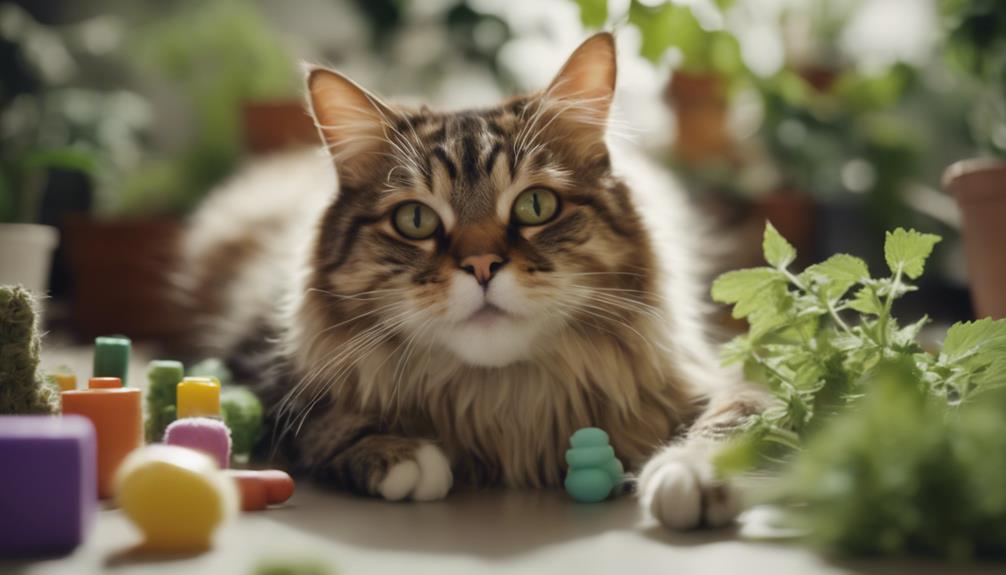
To introduce cats to the effects of catnip, owners can offer the herb in various forms such as dried, fresh, or infused products, ensuring to provide small doses to prevent overindulgence. It can be sprinkled on cat furniture, beds, or toys for them to enjoy. If your cat shows signs of sickness after exposure to catnip, consult a veterinarian for guidance on appropriate usage.
| Catnip Forms | Ways to Give | Safety Precautions |
|---|---|---|
| Dried | Sprinkle on toys | Provide small amounts |
| Fresh | Sprinkle on furniture | Monitor cat's reaction |
| Infused Products | Sprinkle on beds | Consult vet if concerns arise |
Catnip and Cat Breeds
Different cat breeds exhibit varying responses to catnip. Some show a strong reaction, while others may not react at all. This sensitivity to catnip is often linked to genetic factors, making it unique to each individual cat.
Understanding how different breeds interact with catnip can provide insights into their preferences and behaviors when exposed to this herb.
Catnip Preferences Among Breeds
Certain cat breeds exhibit varying levels of interest in catnip. Some, like Siamese, Maine Coon, and Ragdoll, show a higher propensity for reacting to this herb. Breeds such as Persians and British Shorthairs may have a lower sensitivity to catnip. However, individual cat reactions within breeds can still vary.
Exotic breeds, like Savannah cats, are also known to display a strong interest in catnip.
Effects on Different Cats
Some cat breeds exhibit distinct reactions to catnip, reflecting varying levels of interest and sensitivity to this perennial herb among feline companions. While most cats react to catnip, about 1/3rd do not react at all, 1/3rd react moderately, and 1/3rd react strongly. The effects of catnip can make cats display behaviors like yowling, rolling, and slobbering, with the experience lasting between 5 to 15 minutes.
| Cat Reaction | Description |
|---|---|
| No reaction | Shows no interest |
| Moderate reaction | Displays mild interest |
| Strong reaction | Exhibits intense interest |
Breed-Specific Reactions to Catnip
When considering cat breeds and their reactions to catnip, it is important to note that most cats, regardless of their breed, tend to inherit the tendency to respond to this perennial herb.
Catnip leaves, part of the mint family, contain a compound called nepetalactone that triggers a response in cats.
The amount of catnip and exposure to catnip can influence how cats react, but breed does not markedly impact their response.
Catnip Overindulgence Risks
Overindulging in catnip can have adverse effects on a cat's health, such as causing stomach upset, vomiting, or diarrhea. Moderation is key in offering catnip to prevent potential digestive issues and safeguard the well-being of the feline.
Excessive exposure to catnip may also lead to increased activity levels, posing a risk for cats to injure themselves.
Health Effects of Catnip
Excessive consumption of catnip by cats can result in digestive disturbances such as upset stomach, vomiting, or diarrhea, emphasizing the importance of moderation in providing this herb to your feline companions.
| Health Effects of Catnip | Symptoms |
|---|---|
| Upset Stomach | Vomiting |
| Diarrhea | Hyperactivity |
| Overindulgence |
Behavioral Changes in Cats
Catnip can greatly impact a cat's behavior when consumed in large quantities, potentially leading to hyperactivity and increased aggressiveness.
Overindulgence in catnip may cause erratic behavior and overstimulation in cats.
Excessive amounts of catnip can result in cats getting into accidents due to their heightened state. This is why it’s essential for cat owners to monitor the quantity of catnip their feline friends consume to ensure their safety. Understanding why catnip affects cat behavior can help pet owners make informed decisions about how and when to use it. The compound nepetalactone in catnip interacts with a cat’s olfactory system, often causing temporary euphoria or overexcitement, which might lead to risky antics.
Monitoring your cat's reaction to catnip and practicing moderation are essential to prevent negative behavioral changes from occurring.
Catnip Dosage Guidelines

When considering catnip dosage guidelines for feline companions, it is advisable to administer small amounts intermittently to achieve peak effects without risking overstimulation or reduced reactions. Offering catnip as a treat for your cat in moderation is key to prevent potential harm.
Adjust the dosage based on your cat's individual reaction to catnip, and consider giving it after meals for enhanced digestion and enjoyment.
Catnip Effects Duration
The duration of the effects induced by catnip on cats typically spans from 5 to 15 minutes, offering a brief but engaging experience for feline companions.
After the initial effects wear off, cats become susceptible to catnip again in around 30 minutes.
Storing catnip in an airtight container helps maintain its freshness and potency.
Over time, catnip can lose its effectiveness and potency, requiring replacement with fresh catnip.
Can Catnip Have Negative Effects on Cats who are Not Responsive to It?
It is a common misconception that all cats react to catnip, but in reality, around 50% of cats do not respond to it at all. For those cats, there are no negative effects to worry about, as they simply do not experience any reaction to catnip.
Catnip for Kittens
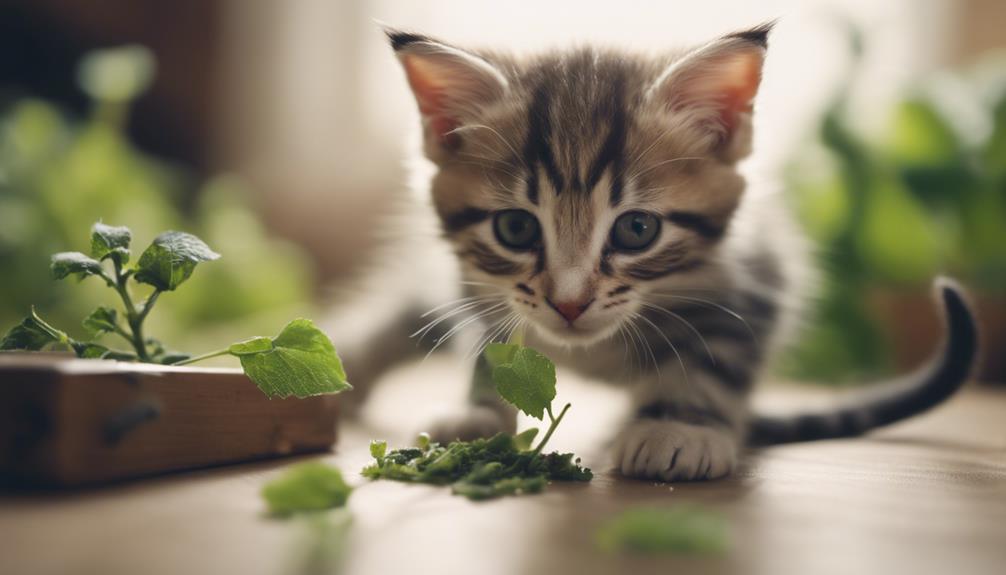
As kittens mature, their sensitivity to catnip gradually develops, with most not exhibiting a response until they reach approximately 3 to 6 months of age. It is important to introduce young kittens to catnip in small doses to monitor their reactions. Exposure at a young age can help them learn how to react to catnip. Some kittens may show a stronger response to catnip than others.
| Aspect | Details |
|---|---|
| Sensitivity | Develops gradually |
| Age Response | Typically 3-6 months |
| Exposure | Important for learning reactions |
| Varying | Responses among kittens |
| Recommendations | Introduce in small doses |