
Philodendron is toxic to cats. This toxicity is due to insoluble calcium oxalate crystals in the plant. When ingested, these crystals can cause irritation in the oral cavity, intestines, and stomach of cats. Symptoms of philodendron ingestion may include oral irritation, drooling, and digestive issues. If a cat shows signs of philodendron poisoning, prompt veterinary care is necessary for proper treatment. It's essential to recognize these symptoms and seek professional help. Understanding the dangers of philodendron for cats is fundamental for their well-being.
Philodendron Toxicity in Cats
Philodendron toxicity in cats arises from the presence of insoluble calcium oxalate crystals within the plant, causing potential irritation to the cat's oral cavity, intestines, and stomach upon ingestion.
These toxic calcium oxalates are responsible for triggering symptoms such as oral irritation, drooling, and digestive issues.
It is essential to recognize these signs promptly to seek veterinary care and prevent further harm to the cat.
Symptoms of Philodendron Ingestion
Symptoms of philodendron ingestion in cats can include oral irritation, pain, and swelling in the mouth, tongue, and lips. Excessive drooling, difficulty swallowing, vomiting, abdominal pain, and potential breathing issues may also manifest.
If a cat displays these symptoms after consuming philodendron, seeking immediate veterinary attention is vital to address the situation promptly.
Common Signs
Typical indicators of philodendron ingestion in cats include swelling, oral irritation, and excessive drooling. Cats may also experience difficulty swallowing. Vomiting is not common but can occur, along with pain and swelling in the mouth. Philodendron toxicity in cats may lead to symptoms like abdominal pain, tremors, and in rare cases, breathing difficulties.
Recognizing these signs early can help in seeking timely veterinary care.
Immediate Veterinary Attention
Seeking immediate veterinary attention is vital when observing signs of philodendron ingestion in cats. These signs can include oral irritation, pain, swelling of the mouth, tongue, and lips, excessive drooling, and difficulty swallowing. If your feline companion displays these symptoms or vomits after potential exposure to philodendron, contacting the APCC at (888) 426-4435 or visiting a local veterinarian promptly is essential to guarantee proper care for philodendron toxicity.
Treatment for Philodendron Poisoning
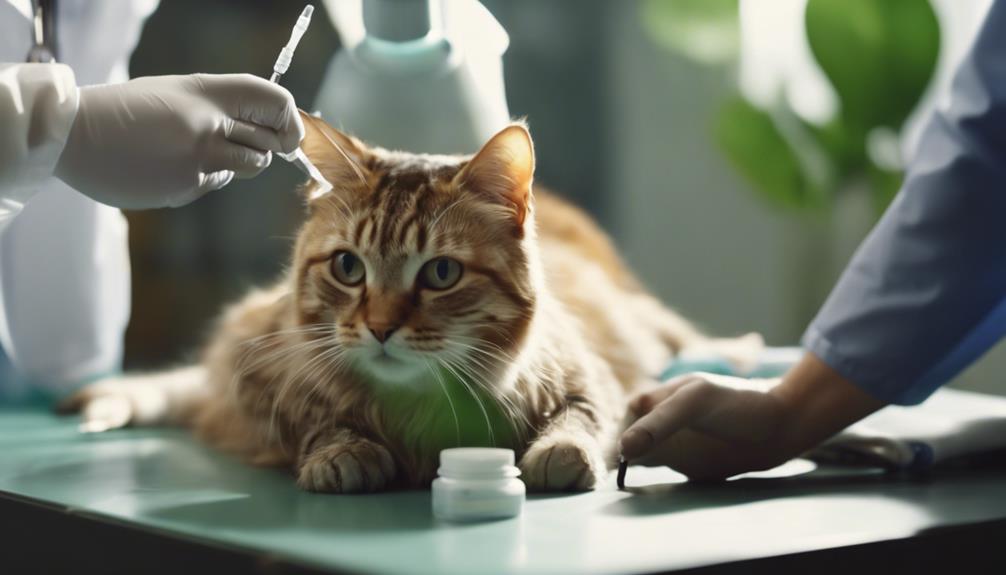
Treatment for Philodendron poisoning in cats typically involves inducing vomiting if ingestion is recent and mild symptoms are present. Supportive care, like managing drooling, oral pain, and decreased appetite, is essential.
Severe cases might require intravenous fluids to address complications from Philodendron toxicity.
Symptoms of Poisoning
When a cat experiences philodendron poisoning, it may exhibit symptoms such as:
- Oral irritation
- Swelling of the mouth, tongue, and lips
- Excessive drooling
- Difficulty swallowing
These signs can be distressing for both the cat and the owner. Recognizing these symptoms promptly is vital to guarantee the cat receives appropriate veterinary care to address the poisoning effectively.
Veterinary Care Needed
Upon ingestion of philodendron, cats require immediate veterinary attention to address symptoms and prevent potential complications.
- Inducing vomiting may be necessary to remove the toxic plant.
- Providing supportive care, such as fluids and medications, aids in recovery.
- Consult a veterinarian for tailored treatment recommendations.
- Follow-up care guarantees the cat's well-being post-treatment.
- Contact a professional promptly for suspected philodendron poisoning.
Home Care Tips
Monitoring for symptoms of philodendron poisoning in cats, such as drooling, oral pain, vomiting, and decreased appetite, is essential for effective home care.
Provide a quiet space for the cat to rest, offer fresh water for hydration, and refrain from administering any medications or home remedies without veterinary approval.
Promptly contacting a vet for guidance on managing philodendron poisoning symptoms is vital for the cat's well-being.
Preventing Philodendron Exposure to Cats
To prevent potential harm to cats, it is essential to take proactive measures in safeguarding philodendron plants from their reach.
- Place philodendron plants in hanging baskets.
- Use plant stands out of cats' reach.
- Create barriers with physical obstacles.
- Keep philodendron in rooms inaccessible to cats.
- Train cats to avoid certain areas with positive reinforcement.
Other Toxic Plants for Cats
Exploring beyond the risks associated with philodendron exposure to cats, it is essential to be aware of various other plants that pose toxicity threats to feline companions.
Easter lilies can cause kidney damage and organ failure.
English ivy can lead to vomiting and abdominal pain.
Pothos plants contain toxic substances affecting cats' drooling and swallowing.
Cannabis and sago palms also present risks to cats, affecting their heart rate, liver, and overall health.
Are Philodendrons and Buttercup Ranunculus Equally Toxic to Cats?
Yes, both philodendrons and buttercup ranunculus are equally toxic to cats. The buttercup ranunculus toxicity in cats can cause symptoms like vomiting, diarrhea, and skin irritation. It’s important to keep these plants out of reach of your feline friends to avoid any potential health issues.
Conclusion and Safety Measures
In light of the risks associated with toxic plants for cats, it is imperative to prioritize pet safety by implementing proactive measures and remaining vigilant in ensuring a safe environment for feline companions.
- Avoiding ingestion of toxic plants
- Regularly monitoring pets for unusual symptoms
- Researching house plants for toxicity
- Seeking immediate veterinary help if ingestion is suspected
- Consulting a vet for guidance on plant safety