
Arabian Coffee Plants contain caffeine and methylxanthines that are harmful to cats when ingested. Symptoms of poisoning include vomiting, diarrhea, increased heart rate, and seizures. Treatment involves inducing vomiting, using activated charcoal, and providing intravenous fluids. Preventive measures include monitoring the environment, elevating plants, and educating yourself on toxicity. Immediate veterinary care is essential in cases of poisoning to guarantee the best outcome. Consider replacing coffee plants with safer alternatives for your cat's well-being. Understanding these dangers is essential for responsible pet ownership. Veterinary attention and early intervention are key to managing toxicity effectively.
Toxicity of Coffee Plants to Cats
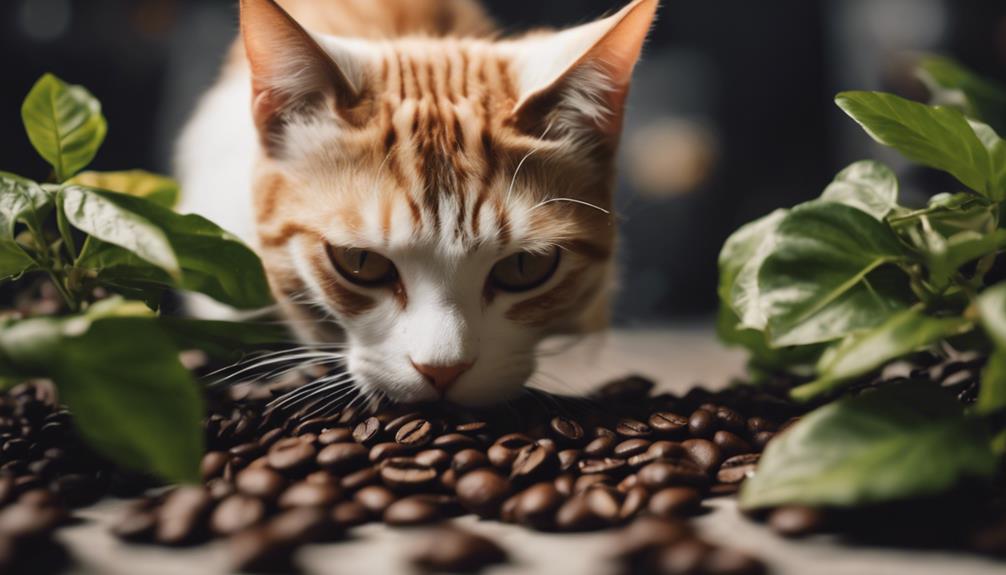
Indisputably, the toxicity of coffee plants to cats is a well-documented concern in veterinary medicine. Arabian Coffee Plants contain toxic substances like caffeine and other methylxanthines that can have detrimental effects on cats' nervous systems.
If a cat ingests this plant, it may experience symptoms such as vomiting, diarrhea, increased heart rate, and arrhythmias. Prompt veterinary attention is vital in cases of poisoning to manage these symptoms and prevent severe consequences.
To guarantee the safety of cats, it is advisable to replace Arabian Coffee Plants with cat-safe alternatives like spider plants or Boston ferns in households with feline companions. Being aware of the potential harm these plants can pose to cats is essential for responsible pet ownership.
Harmful Compounds in Coffee Plants
Coffee plants contain toxic substances such as caffeine and other methylxanthines that pose a significant risk to cats if ingested. These compounds are rapidly absorbed into a cat's bloodstream, leading to various harmful effects on their body.
Caffeine, found in coffee plants, can cause restlessness, rapid breathing, increased heart rate, and even seizures in cats. Methylxanthines further exacerbate these symptoms and can result in vomiting, diarrhea, and tremors.
It is important for cat owners to be vigilant about keeping coffee plants away from their feline companions to prevent accidental ingestion. Understanding the dangers associated with these toxic compounds in coffee plants is essential for safeguarding the health and well-being of cats.
Symptoms of Coffee Plant Toxicity
Coffee plant toxicity in cats can manifest through symptoms such as vomiting, diarrhea, increased heart rate, and arrhythmias. Immediate veterinary care is essential to manage these symptoms, which can range from mild to life-threatening.
Preventive measures, such as keeping coffee plants out of reach and opting for cat-safe alternatives, can help guarantee feline safety.
Common Symptoms Observed
Upon ingestion of coffee plants, cats may exhibit a range of symptoms indicating toxicity, including vomiting, diarrhea, increased heart rate, and arrhythmias. The common symptoms observed in cats affected by coffee plant toxicity are:
- Vomiting
- Diarrhea
- Increased heart rate
- Dehydration
These symptoms can vary in severity, potentially leading to life-threatening complications. If a cat shows any signs of coffee plant poisoning, immediate veterinary attention is essential. Diagnosis is typically based on symptoms, exposure history, and identification of plant material.
Treatment may involve managing dehydration, vomiting, and heart irregularities through medications and supportive care. It is important to seek professional help promptly to guarantee the best outcome for the affected feline.
Treatment Options Available
Effective treatment options are available for managing the symptoms associated with coffee plant toxicity in cats. If a cat ingests a toxic plant like a coffee plant, immediate action is essential. Treatment may involve inducing vomiting to remove the plant material from the stomach, administering activated charcoal to prevent further absorption of toxins, and providing intravenous fluids to prevent dehydration.
Monitoring the cat for 24-48 hours post-treatment is important to guarantee a full recovery. Additionally, addressing any potential skin irritation or oral cavity issues is part of the treatment process. Seeking prompt veterinary care is crucial to manage symptoms effectively and prevent serious complications from the ingestion of toxic plants like coffee plants.
Preventive Measures for Safety
Regularly inspecting the environment surrounding coffee plants for fallen leaves, seeds, or other plant parts is crucial in preventing cats from coming into contact with potentially toxic compounds. To guarantee the safety of your feline friends, consider the following preventive measures:
- Elevate coffee plants to prevent cats from accessing them and potentially ingesting toxic compounds like caffeine.
- Use barriers such as baby gates or plant stands to create physical barriers between cats and coffee plants.
- Educate yourself about the risks of coffee plant toxicity to cats, including common symptoms like vomiting, diarrhea, and increased heart rate.
- Share knowledge about the dangers of coffee plants with other pet owners to promote community safety and prevent accidental poisoning in cats.
Preventing Coffee Plant Exposure
To safeguard feline companions from potential harm, implementing strategic placement of Arabian Coffee Plants in elevated areas or designated cat-free spaces is crucial. Coffee Plants can pose risks of tree poisoning in cats if ingested, potentially leading to severe symptoms such as vomiting.
To prevent accidental exposure, consider replacing Arabian Coffee Plants with cat-safe greenery like spider plants or Boston ferns. These alternatives offer a safer environment for cats while maintaining the aesthetic appeal of indoor foliage. Opting for cat-friendly greens such as catnip or cat grass can also provide a suitable substitute for households with cats.
Selecting non-toxic plants like spider plants, Boston ferns, African violets, bamboo, Areca palm, and Calathea further ensures the safety of your feline companions. Educating yourself on plant toxicity and taking proactive measures are essential steps in safeguarding your cat's well-being.
Veterinary Care for Coffee Plant Poisoning
Upon suspecting ingestion of coffee plants by a cat, immediate veterinary care should be sought to address potential poisoning risks. Treatment for coffee plant poisoning may involve managing symptoms like vomiting, diarrhea, and increased heart rate with appropriate medications.
Intravenous fluids could be administered to prevent dehydration in affected cats. Inducing vomiting and giving activated charcoal can aid in eliminating toxins from the system.
Monitoring the cat closely for 24-48 hours post-treatment is essential to guarantee a full recovery from coffee plant poisoning. Remember, the coffee tree contains substances that are toxic to cats, potentially causing symptoms like contact dermatitis and an increased heart rate.
Safe Plants for Cat-Friendly Homes
Creating a pet-friendly environment involves selecting non-toxic plants that are safe for cats to be around, such as catnip or spider plants. Opt for cat-friendly greens like cat grass or Boston ferns to provide safe alternatives for your feline friends.
Choose from a variety of non-toxic plants like African violets, bamboo, Areca palm, and Calathea to establish a cat-friendly indoor garden. Consider incorporating safe herbs like rosemary into your indoor plant collection to guarantee a pet-safe environment.
Keep toxic plants like the Arabian Coffee Plant out of reach on high shelves or in cat-free zones to protect your cats from potential harm. By swapping out toxic plants for cat-safe greenery, you can create a healthier and safer living space for your beloved pets.
Can Coffee Plants and Croton Plants Both Harm Cats?
Yes, both coffee plants and croton plants are toxic to cats. These plants contain substances that can cause vomiting, diarrhea, and even more severe symptoms in cats if ingested. It’s important to keep these plants out of reach of your feline friends to avoid any potential harm.
Importance of Early Detection
Early detection of coffee plant poisoning in cats is essential as it allows for prompt treatment to be administered. Recognizing symptoms such as vomiting, diarrhea, and increased heart rate is critical for early intervention.
Monitoring for signs of toxicity like depression, fatigue, and loss of appetite is important to guarantee the cat receives timely veterinary care and prevent severe consequences.
Early Detection Saves
Recognizing the signs of coffee plant toxicity in cats at an early stage is vital for preventing serious health complications. Symptoms can vary, but common indicators include vomiting, diarrhea, and an increased heart rate.
Prompt veterinary care is important when you suspect your cat has ingested any part of a coffee plant. Seeking immediate help can greatly improve the cat's prognosis and increase the chances of a successful recovery.
Educating yourself on the potential dangers of coffee plants to cats is key to early detection and intervention. By monitoring for signs of poisoning and acting promptly, you can save your cat's life and prevent further harm.
Detecting Symptoms Crucial
The ability to promptly identify symptoms of coffee plant toxicity in cats is important for ensuring timely intervention and best outcomes. Symptoms such as vomiting, diarrhea, and an increased heart rate should be closely monitored in cats that may have ingested coffee plants.
If any signs of poisoning are observed, immediate veterinary care is essential. Early detection of these symptoms can lead to quicker treatment and improve the chances of full recovery for the affected feline.
Regularly monitoring the cat for any changes in behavior or health is crucial to catching poisoning symptoms early. By recognizing these signs promptly and seeking immediate veterinary attention, the impact of coffee plant toxicity on a cat's health can be minimized.