
If your cat has killed a bat, prioritize safety by handling the situation properly. Quarantine both your cat and the bat, separately. Avoid direct contact with the carcass. Contact local authorities, such as animal control or health departments, immediately. Notify your veterinarian and doctor for guidance on potential rabies exposure. Following these steps swiftly is essential to safeguard everyone involved. Further advice on preventing risks and ensuring safety post-incident can offer valuable insights into managing such situations effectively.
Immediate Steps to Take

Upon discovering that your cat has killed a bat, it is important to take immediate steps to minimize potential risks and guarantee proper handling of the situation.
Quarantine your cat and the bat, ensuring no further exposure. Contact authorities for guidance and secure the bat carcass carefully.
Monitor your cat's behavior closely for any signs of illness or infection. Seek advice from your vet and a medical professional to address any potential risks promptly.
Quarantine Your Cat and the Bat
After discovering that your cat has killed a bat, it is crucial to promptly quarantine both the cat and the bat in separate, secure areas to prevent any further contact and assess the risk of potential exposure. Keep the bat carcass intact for rabies testing.
Contact your veterinarian or local animal control for guidance. Monitor your cat's behavior closely for signs of illness. Act promptly to guarantee safety and prevent rabies transmission.
Secure the Carcass
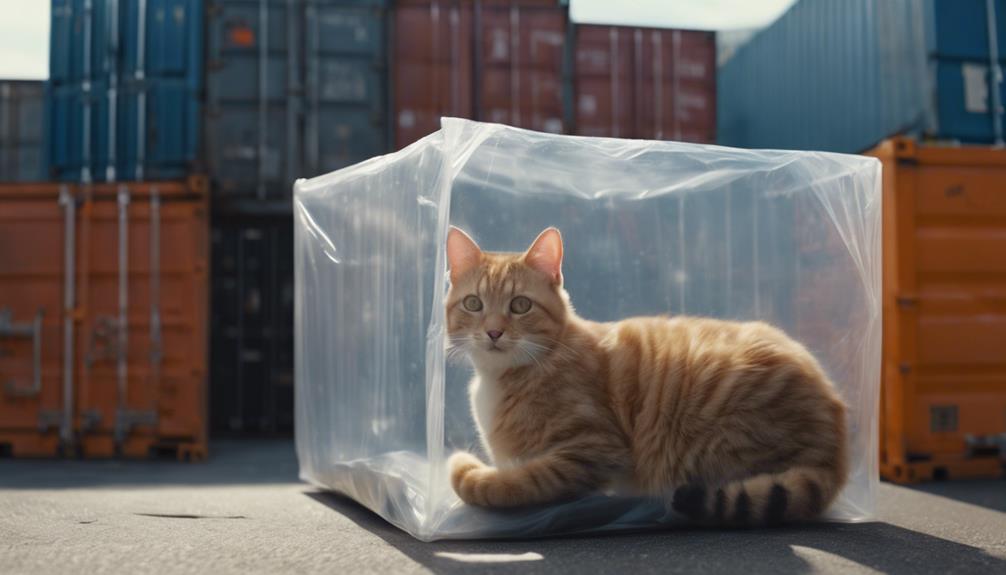
To guarantee safe handling and proper containment, it is imperative to securely package the bat carcass in a sealed plastic bag. This step helps keep the carcass secure and prevents contamination.
Avoid direct contact with the bat carcass to minimize the risk of exposure to diseases. Store the sealed bag in a cool area until disposal.
Using gloves or a tool when handling the carcass further reduces the risk of pathogen transmission.
Contact Relevant Authorities
When your cat kills a bat, it is important to contact relevant authorities promptly. Reach out to your local animal control or health department for guidance on handling the situation.
Notifying these professionals can help you navigate the necessary steps to protect your cat and yourself from potential health risks like rabies.
Notify Animal Control
Upon discovering that your cat has killed a bat, it is essential to promptly contact your local animal control or health department for immediate assistance.
- Animal control can assist in safe removal and disposal of the bat carcass.
- Reporting the incident to authorities is vital for public health monitoring.
- They can provide guidance on rabies testing.
- Post-exposure protocols will be discussed if necessary.
Seek Rabies Information
Seek guidance from local health authorities or animal control to assess the risk of rabies exposure after your cat kills a bat. Rabies testing is essential to determine if the bat was infected, requiring professional assistance.
Understanding the rabies risk is vital for both the cat's health and individuals who may have been in contact with it. Immediate consultation with a veterinarian is necessary for post-exposure management and monitoring.
Understand Legal Obligations
Contacting your local animal control or health department immediately after your cat kills a bat is important to fulfill legal obligations and promote public health compliance.
- Reporting the incident is necessary for legal compliance.
- Authorities can provide guidance on handling the situation and potential rabies risks.
- Dead bats should be handled and disposed of following specific guidelines.
- Understanding and following legal obligations can help prevent disease transmission.
Notify Your Vet and Doctor
Promptly informing both your veterinarian and doctor is essential after your cat kills a bat to guarantee proper assessment and management of potential health risks. Calling your veterinarian is vital to evaluate rabies exposure and assess the bat population in your area.
Seek medical advice from your doctor to address any human health concerns. Early communication with both professionals is key to ensuring the safety of both your cat and yourself.
Monitor Cat for Behavior Changes
After your cat has killed a bat, it is vital to monitor its behavior closely for any changes that may indicate potential health issues like rabies. Look out for signs such as increased aggression, confusion, or unusual nervousness.
If you notice any concerning behavioral shifts, seek immediate veterinary advice to guarantee your cat's well-being.
Watch for Unusual Behavior
If your cat has encountered a bat, it is essential to closely observe for any unusual behavior that may indicate potential signs of rabies.
- Watch for signs of illness like muscle spasms or excessive drooling.
- Look out for changes in behavior such as nervousness or aggression.
- Monitor for difficulty swallowing or confusion in your cat.
- If concerned, contact your veterinarian promptly for advice on rabies shots.
Seek Vet Advice Promptly
Upon observing any behavior changes in your cat after it has killed a bat, seeking veterinary advice promptly is essential for proper risk assessment and guidance. Monitoring your cat for signs of aggression, disorientation, excessive drooling, or other unusual behaviors is vital. A veterinarian can determine if post-exposure rabies vaccination is necessary to safeguard your cat's health and safety. Stay vigilant and contact a professional promptly.
| Emotion | Audience Response |
|---|---|
| Concern | Urges Action |
| Fear | Promotes Care |
| Empathy | Supports Decision |
| Caution | Encourages Help |
| Alert | Enhances Awareness |
Keep Others Away
To ensure safety and minimize the risk of exposure, it is crucial to prevent individuals, especially children, from approaching the area where the bat was killed.
- Warn family members and neighbors to stay away to reduce exposure.
- Restrict access to the location where the cat killed the bat.
- Inform relevant authorities for guidance.
- Keep a close eye on surroundings to avoid contact with the bat carcass.
Importance of Swift Action

Why is acting swiftly important after your cat kills a bat? Immediate response is essential to assess the risk of rabies transmission. Contact your veterinarian promptly to determine the need for rabies testing and post-exposure prophylaxis. Monitoring your cat's health for any signs of rabies is crucial after a bat encounter. Early intervention and quarantine can prevent potential rabies infection in cats. Quick professional guidance guarantees their safety.
| Importance of Swift Action | |||
|---|---|---|---|
| Key Points | Information | Guidance | Outcome |
| Immediate Response | Assess risk | Contact veterinarian | Guarantee cat's safety |
| Rabies Transmission Risk | Vet Consultation | Determine need for tests | Prevent potential infection |
| Monitoring Health | Signs of rabies | Post-exposure measures | Early intervention, quarantine |
Preventing Potential Risks
To reduce the risks associated with your cat killing a bat, make sure your cat is vaccinated against rabies and keep it indoors, especially at night.
Installing screens on windows and doors can help prevent bats from entering your home, while using deterrents like motion-activated sprinklers can discourage bats from your property.
Educating yourself about local wildlife can also aid in understanding how to prevent similar incidents in the future.
Bat Safety Measures
When handling a bat carcass, it is essential to always use gloves to minimize the risk of direct contact with potential rabies.
- Keep bats away from pets and humans.
- Handle the bat safely using gloves and a sealed container.
- Call your vet for rabies risk assessment.
- Seek professional help for safe bat removal.
Cat Behavior Management
Cat behavior management plays a significant role in minimizing potential risks associated with pet cats hunting bats.
To keep bats away, consider cat behavior management techniques such as providing interactive toys to redirect hunting instincts, keeping cats indoors, and offering environmental enrichment like climbing structures.
Bat-proofing your home by using deterrents like motion-activated sprinklers can help discourage hunting behaviors and prevent encounters with wildlife.
What Should I Do If My Cat Kills Wildlife?
If your cat killed rat what can we do? It’s important to keep your cat indoors to prevent further harm to wildlife. Consider using a bell collar to give animals a warning. Provide plenty of engaging toys and playtime to fulfill your cat’s natural hunting instincts. Spaying or neutering may also reduce hunting behavior.
Ensuring Safety for All
Ensuring the safety of all individuals involved is paramount following an incident where a cat kills a bat.
- Contain the Bat: Prevent further contact with pets or humans.
- Contact a Veterinarian: Seek guidance on rabies testing and post-exposure measures.
- Monitor the Cat: Watch for unusual symptoms or behavioral changes.
- Follow Quarantine Protocols: Observe for signs of rabies infection in the cat.