
If your cat lost a tooth, it may be a sign of dental issues like periodontal disease, trauma, or tooth resorption. Watch for warning signs like bad breath, bleeding gums, or reduced appetite. Tooth loss can lead to difficulty eating, gum inflammation, and infections. Consider soft food or treats for your cat. Regular vet check-ups, tooth brushing, and dental-friendly diets help prevent tooth loss. A vet evaluation is important to determine the cause and appropriate treatment. Take steps to safeguard your cat's dental health for their overall well-being. Additional insights on caring for your cat's oral health can provide valuable guidance.
Signs of Tooth Loss in Cats
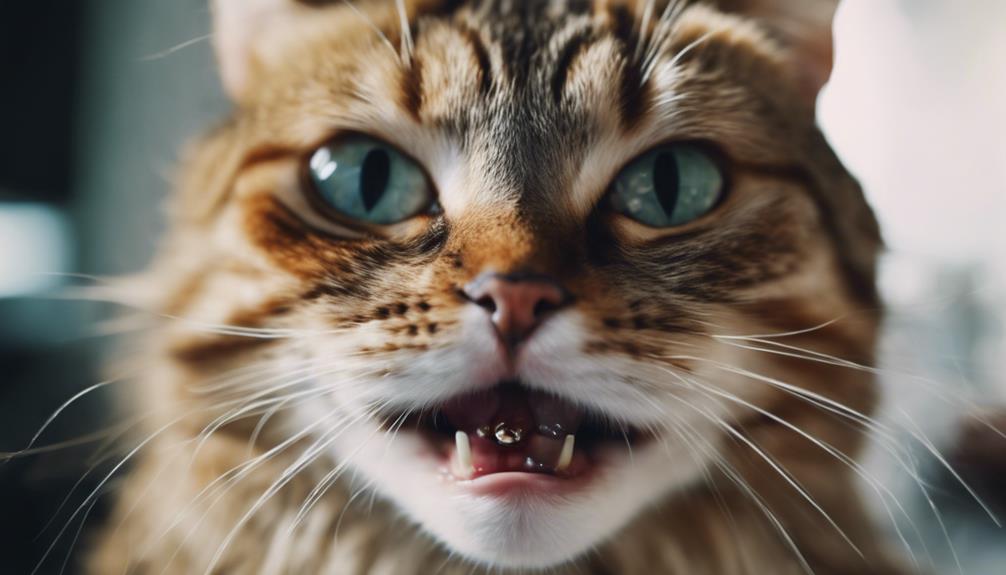
To recognize potential tooth loss in cats, it is important to be aware of the various signs that may indicate dental issues. These signs include:
- Bad breath
- Bleeding gums
- Drooling
- Reduced appetite
- Pawing at the mouth
- Excessive tartar or plaque buildup
Swollen, inflamed, or red gums, blood in saliva, and avoidance of hard food can also be indicative of tooth loss in cats. Monitoring these signs can help in early detection and treatment.
Common Causes of Feline Tooth Loss
Common causes of feline tooth loss encompass a range of dental issues. These include periodontal disease, tooth resorption, oral trauma, and genetic factors. Periodontal disease, affecting over 85% of cats over 6 years old, can lead to tooth loss if untreated.
Tooth resorption, oral trauma, and genetic predispositions can also contribute to feline tooth loss. Understanding these factors is essential for maintaining a cat's oral health and overall well-being.
Impact of Tooth Loss on Cats
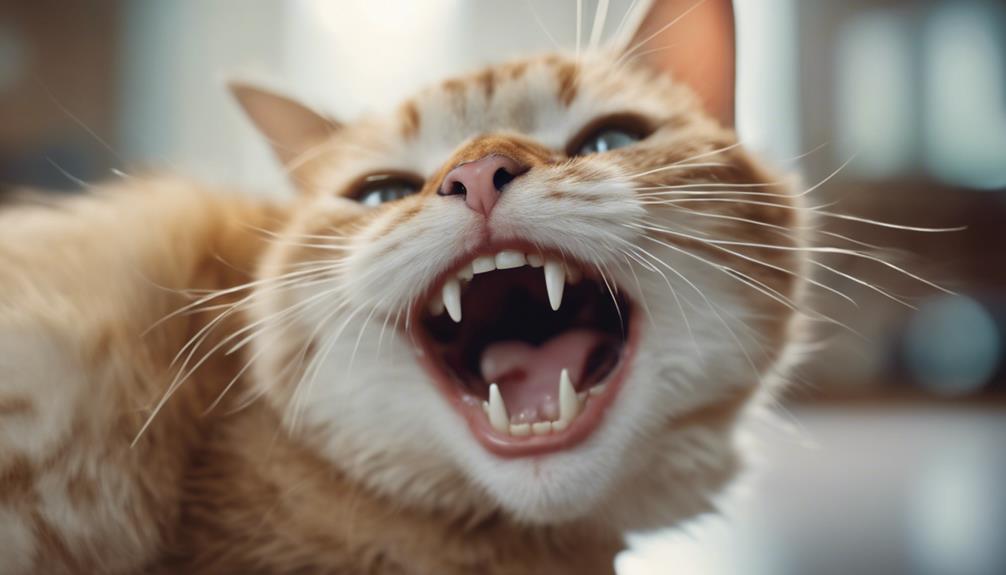
The consequences of tooth loss in cats extend beyond mere discomfort, impacting various aspects of their health and well-being. Cats may face difficulty eating, gum inflammation, and oral infections post-tooth loss, leading to changes in behavior and reduced appetite.
Dental issues like further decay can arise, affecting grooming habits and overall hygiene. Regular veterinary check-ups are essential to monitor for complications and guarantee proper healing after tooth loss.
Dietary Considerations for Toothless Cats
After addressing the impact of tooth loss on cats, it becomes essential to contemplate appropriate dietary adjustments for toothless felines to guarantee their nutritional needs are met effectively.
- Wet food is recommended for toothless cats for easier eating.
- Soft treats like catnip or tuna provide tasty and easy-to-chew options.
- Prescription dental diets support oral health in cats with missing teeth.
- Homemade soft food options can cater to toothless cats' dietary needs.
Preventive Dental Care for Cats
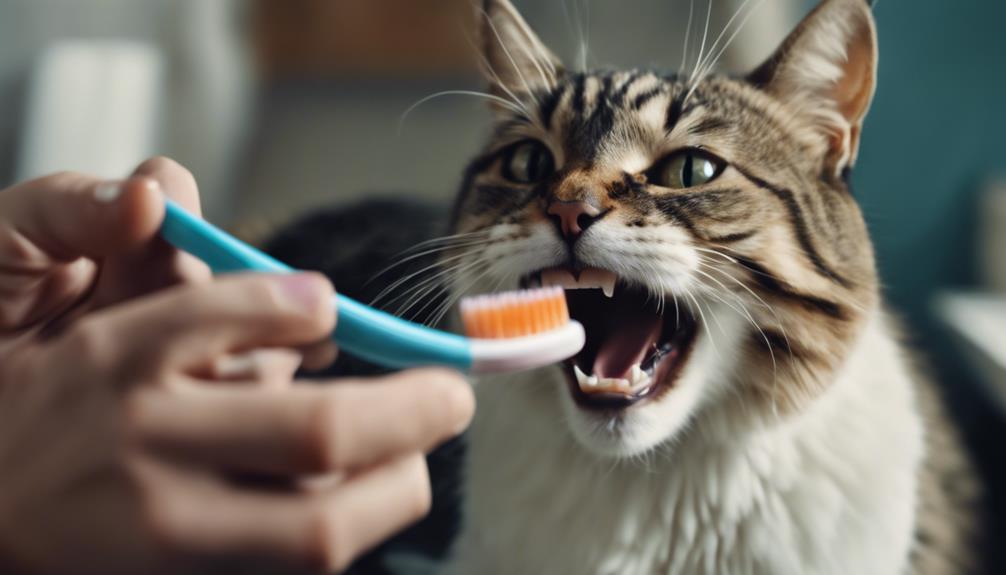
Emphasizing proactive measures for oral health maintenance in felines is vital to mitigating the risk of dental issues such as tooth loss.
Regular dental check-ups, tooth brushing, dental treats, toys, and dental-friendly diets are essential for adult cats. Using dental wipes or gels aids in maintaining dental hygiene.
Preventive dental care is imperative in preventing tooth loss and avoiding invasive treatments like tooth extractions in cats.
Handling a Cat's Missing Tooth
When a cat loses a tooth, it is important to take steps to ensure their comfort and well-being.
- Assess the tooth loss for signs of pain or discomfort.
- Contact the veterinarian for guidance on next steps.
- Monitor eating habits and behavior closely.
- Avoid touching the area to prevent further discomfort.
Vet Evaluation for Tooth Loss
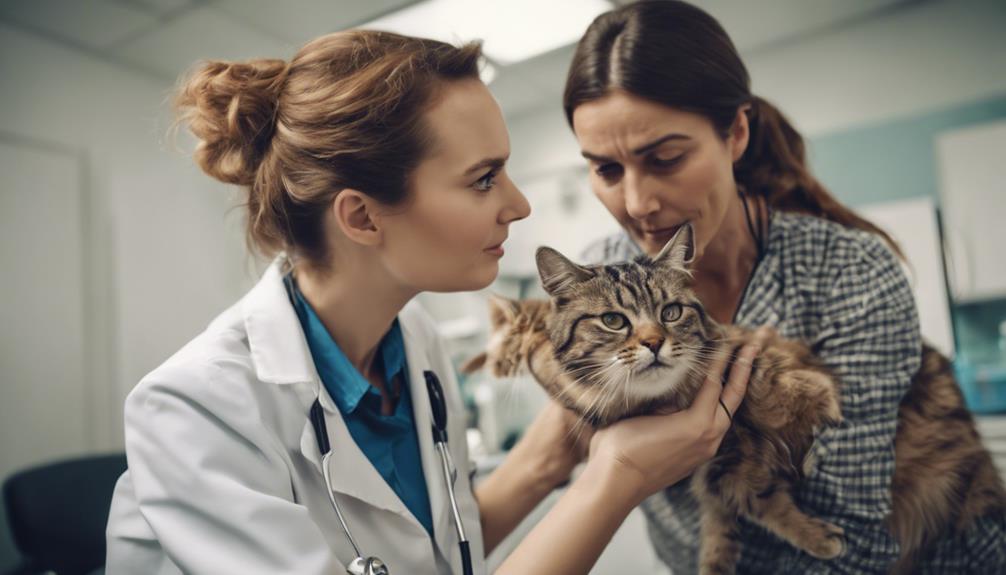
What steps should be taken when seeking a vet evaluation for a cat's tooth loss to guarantee prompt and appropriate treatment? A vet can assess dental issues, recommend interventions, and provide pain management. Tooth loss in cats may indicate underlying problems like periodontal disease, trauma, or infections. Early intervention can prevent further tooth loss, alleviate discomfort, and assure oral health. Regular check-ups are essential for monitoring and addressing issues promptly.
| Evaluation Steps | Importance |
|---|---|
| Immediate scheduling | Prompt treatment |
| Assess dental issues | Identify problems |
| Recommend interventions | Prevent further loss |
| Provide pain management | Alleviate discomfort |
| Assure oral health | Monitor and address |
Treatment Options for Cat Tooth Loss
Treatment options for cat tooth loss are varied and may include professional dental cleaning to maintain oral health and prevent further issues. Additionally, tooth extractions might be necessary if the tooth cannot be saved, and antibiotics could be prescribed to address any infections present.
Pain management is essential to guarantee the cat's comfort during and after treatment for tooth loss.
Dental Cleaning Benefits
Professional dental cleanings play an essential role in addressing dental issues such as periodontal disease in cats experiencing tooth loss. These cleanings can prevent further tooth loss, promote oral health, and remove tartar, bacteria, and plaque.
Routine scaling, polishing, and potential extractions are part of regular cleanings to maintain a healthy mouth. Veterinary dental care is vital to prevent complications like infections or pain.
Tooth Extraction Considerations
To address severe damage or infection in a cat's tooth, veterinary dentists may find it necessary to perform a tooth extraction under anesthesia to maintain the cat's oral health and prevent further complications. This procedure is common in adult cats and guarantees the cat's comfort during the process.
Post-extraction care includes pain management medication and monitoring for any signs of infection or discomfort in the cat's mouth.
Cat Tooth Loss Prevention Tips

Maintaining your cat's dental health is important in preventing tooth loss. Regular dental check-ups, a healthy diet, and consistent vet visits can all play a significant role.
Dental Care Importance
Why is dental care important for preventing tooth loss in cats?
- Regular dental care prevents gum disease.
- Brushing teeth reduces the risk of losing teeth.
- Dental treats and toys contribute to oral health.
- A dental-friendly diet promotes healthy teeth and gums.
Healthy Diet Impact
Ensuring a cat's diet is rich in essential nutrients plays a crucial role in promoting strong teeth and healthy gums, ultimately reducing the risk of tooth loss.
Soft food options can be beneficial for cats who have lost a tooth, making eating more manageable.
Avoiding hard kibble and providing dental treats or toys can help prevent further damage.
Prescription dental diets are specifically designed to maintain oral health and prevent dental issues in cats.
Regular Vet Checkups
When considering strategies for preventing tooth loss in cats, one effective approach is to prioritize regular veterinary checkups to monitor and address any changes in their dental health.
- Regular vet check-ups aid in monitoring cat's dental health.
- Veterinary professionals guide on dental care post tooth loss.
- Early intervention through check-ups prevents further tooth loss.
- Professional dental exams detect underlying issues causing tooth loss.
Should I Worry If My Cat Loses a Claw Like I Would If It Lost a Tooth?
It is important to understand that cat claw loss normal and not a cause for immediate concern. Cats naturally shed their claws as part of their grooming process. However, if you notice excessive bleeding or signs of discomfort, it’s best to seek advice from a veterinarian.
Importance of Cat Dental Health

Maintaining excellent dental health for cats is crucial for their overall well-being and longevity. Cats with missing teeth may require specialized care to prevent issues like gum disease. Good dental hygiene can help prevent tooth loss and enhance well-being. Regular check-ups and professional cleanings aid in addressing underlying problems. Monitoring dental health closely and seeking prompt veterinary care guarantees a healthy mouth for a happy cat.
| Importance of Cat Dental Health | |
|---|---|
| Prevents tooth loss | Promotes well-being |
| Specialized care for missing teeth | Regular check-ups |
| Professional dental cleanings | Early issue detection |