
Weight loss in older cats may signal serious health issues like hyperthyroidism, kidney disease, or dental problems. Watch for signs like decreased appetite, increased activity, or disinterest in food. Physical changes like altered body condition could also indicate a problem. Conditions like hyperthyroidism, diabetes, or cancer may lead to weight loss. Behavioral shifts, such as disorientation or altered interactions, may occur. Regular monitoring for rapid weight loss, decreased appetite, or lethargy is important. Supporting weight gain with a high-calorie diet, essential amino acids, and vet consultations is essential. Seek prompt veterinary care for lasting weight loss in senior cats.
Common Causes of Senior Cat Weight Loss
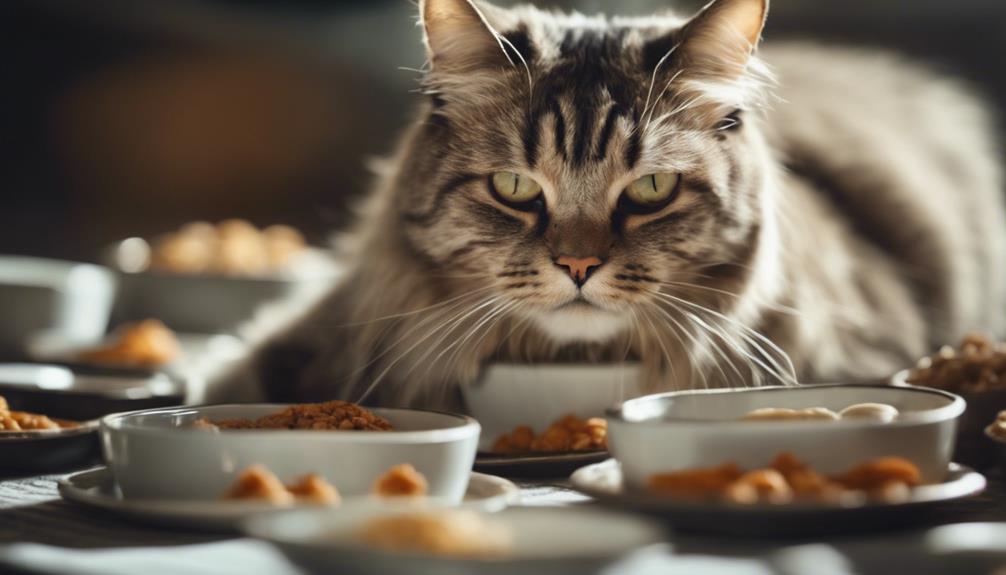
Weight loss in senior cats can stem from various common causes, including decreased metabolic efficiency and prevalent medical conditions like dental disease, inflammatory bowel disease, and hyperthyroidism.
Older cats need attention to prevent muscle loss due to age-related diseases. Health conditions such as chronic kidney disease, diabetes mellitus, and pancreatitis can also contribute to weight loss.
Notice weight changes promptly to address underlying issues effectively.
Recognizing Symptoms of Weight Loss
Weight loss in older cats can manifest through reduced appetite, increased activity levels, and changes in body condition. These signs serve as indicators that your senior cat may be experiencing weight loss.
Monitoring these symptoms closely can help you detect issues early and seek timely veterinary care for your feline companion.
Signs of Reduced Appetite
Recognizing subtle cues of reduced appetite in older cats can be important in detecting early signs of weight loss. Signs may include disinterest in food, leaving meals uneaten, or a decrease in food intake.
Picky eating habits in senior cats could contribute to weight loss, making monitoring of their eating behavior essential. By observing changes in appetite and food consumption, owners can identify potential issues early on.
Increased Activity Levels
Elevated physical engagement in aging felines can serve as an indicator of potential weight loss, reflecting an increase in metabolic activity and calorie expenditure. Older cats experiencing weight loss may show a boost in activity, becoming more energetic and playful.
Monitoring changes in their behavior, such as increased playfulness, can help detect weight loss early. Observing these heightened activity levels can provide vital insights into your cat's health status.
Changes in Body Condition
A key indicator of weight loss in older cats is the noticeable changes in their body condition, such as decreased fat reserves and muscle loss. Senior cats may exhibit weight loss around the stomach area and muscle loss along the spine.
Behavioral changes, lethargy, decreased appetite, and altered fur appearance are common signs of weight loss. Monitoring these changes is essential for early detection and intervention.
Medical Conditions Leading to Weight Loss
Weight loss in older cats can be primarily attributed to various underlying medical conditions that commonly affect senior felines. Chronic kidney disease, hyperthyroidism, diabetes, intestinal parasites, viral diseases, cancer, and arthritis are among the medical conditions that can lead to weight loss in senior cats.
These conditions impact the cat's metabolism, appetite, and overall health, making it essential to seek veterinary care for proper diagnosis and treatment.
Behavioral Changes in Senior Cats
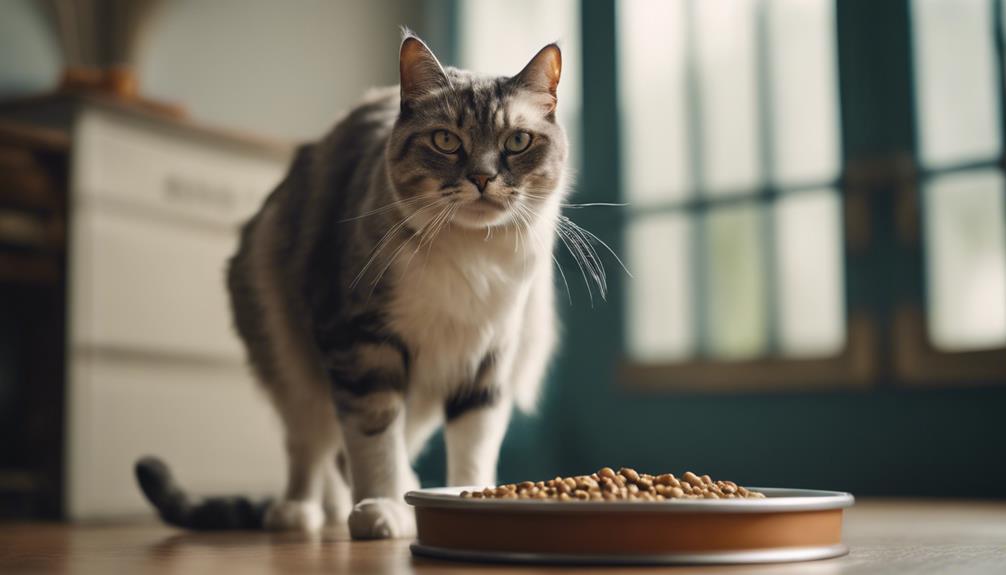
Behavioral changes in senior cats can indicate the presence of cognitive dysfunction syndrome (CDS), a progressive condition affecting mental function. Symptoms include disorientation, altered interactions, and decreased appetite.
While CDS has no cure, environmental enrichment and medication may help manage it. Regular vet check-ups can detect hidden symptoms of CDS and other health issues in senior cats, ensuring early intervention for improved quality of life.
Monitoring and Managing Weight Loss
As senior cats age, monitoring and managing weight loss becomes paramount in ensuring their overall health and well-being. Rapid weight loss in older cats can signify underlying diseases, leading to muscle loss. Common indicators include decreased appetite, lethargy, and changes in behavior.
Regularly assess your cat's body condition, watch for reduced fat around the ribs, and consult a veterinarian for guidance on maintaining your senior cat's weight.
Could Weight Loss in My Older Cat be Linked to Hearing Loss?
If you notice signs of deafness in cats, such as increased meowing or disorientation, it’s essential to discuss any weight loss in your older cat with a vet. Although hearing loss may not directly cause weight loss, it could be a sign of an underlying health issue that needs to be addressed.
Strategies for Helping Senior Cats Gain Weight
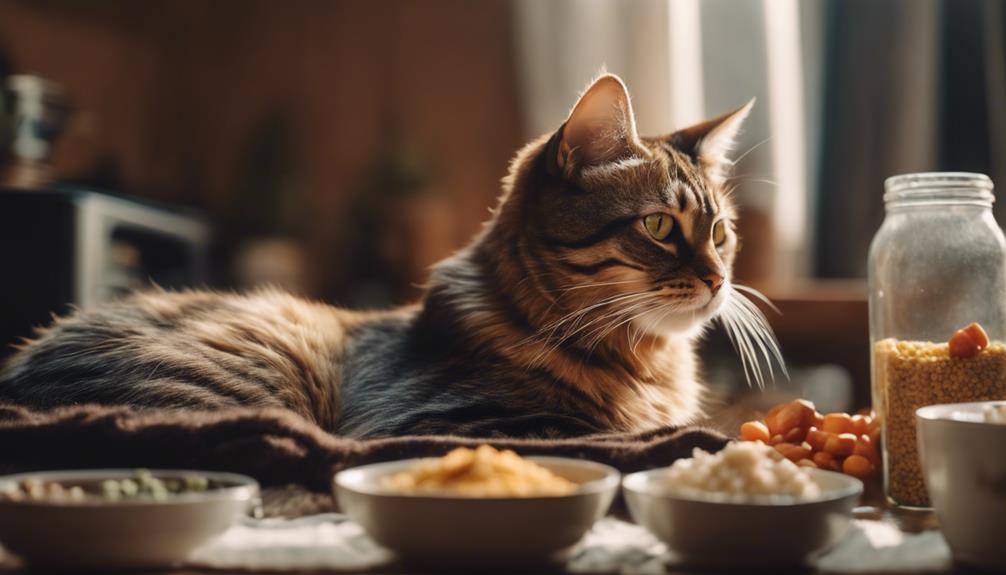
To help senior cats gain weight, consider providing them with a nutritious high-calorie diet and ensuring they receive regular veterinary check-ups.
A diet rich in protein and essential amino acids can help retain muscle mass in older cats, while incorporating animal fat can support sustained energy levels.
Nutritious High-Calorie Diet
Providing senior cats with a nutritious high-calorie diet rich in protein and fats is essential for effectively supporting weight gain efforts. Increased protein and fat content in the diet can help older cats maintain muscle mass and energy levels.
Essential amino acids and animal fats play an important role in improving weight in senior cats. Consulting a veterinarian for personalized dietary advice is necessary in aiding senior cats to gain weight.
Regular Veterinary Check-Ups
Regular veterinary check-ups play a pivotal role in monitoring weight loss and determining the best strategies for helping senior cats gain weight effectively.
- Veterinarians can assess the health condition of senior cats
- Regular checkups help identify common reasons for weight loss
- Monitoring your cats' nutritional needs can aid in providing proper nutrition