
Iowa is home to bobcats, lynxes, and occasional mountain lion sightings. Bobcats, native and now protected, thrive due to conservation efforts. Lynx populations vanished by the 1880s, closest now in Minnesota and Canada. Mountain lions, eradicated in the 1850s, show increasing sightings from western states. They primarily prey on deer. Diverse habitats in Iowa support these wild cats, including forests, wetlands, and prairies. Conservation focuses on monitoring, habitat preservation, and minimizing human-wildlife interactions. Collaborative efforts secure the long-term survival of these species. Discover more about the intriguing world of wild cats in Iowa beyond what meets the eye.
Bobcats in Iowa
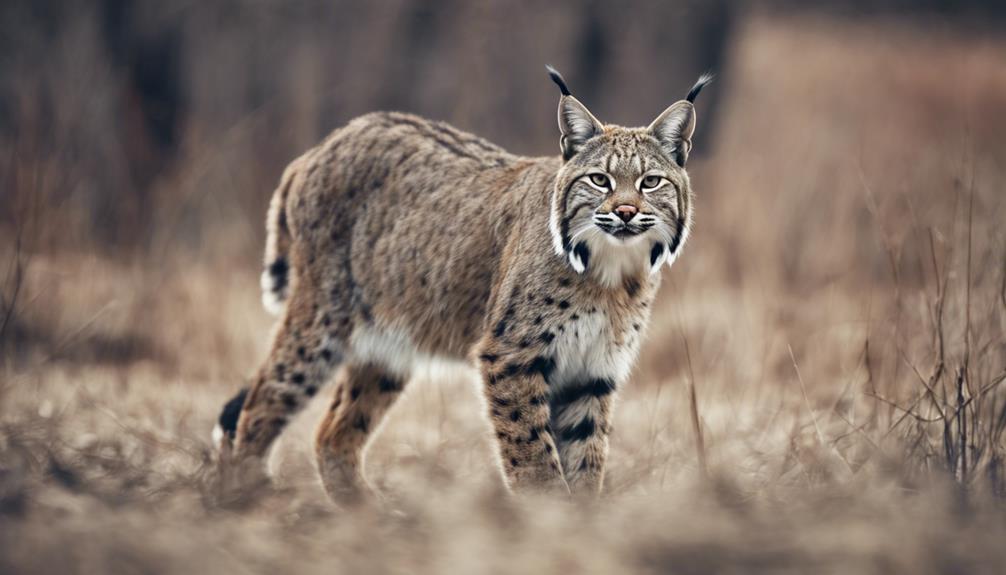
Bobcats, a native species to Iowa, have established populations within the state. The Iowa Department of Natural Resources (DNR) plays a vital role in monitoring and protecting these animals.
Male mountain lions, often mistaken for bobcats, have different physical characteristics, including tail length, size, and weight.
The Iowa DNR has secured the bobcat's conservation, changing its status from endangered to protected, allowing these fascinating creatures to thrive in their habitats.
Lynxes in the Wild
Once abundant in Iowa's wilderness, the lynx populations have since vanished, leaving a void in the state's ecosystem.
The DNR says the lynx populations disappeared by the 1880s.
The closest lynx populations are now found in Minnesota and Canada.
South Dakota might have had some lynx population in the past two months.
Lynx have exceptional sight and hearing abilities, being able to spot a mouse 250 feet away.
Mountain Lions of Iowa
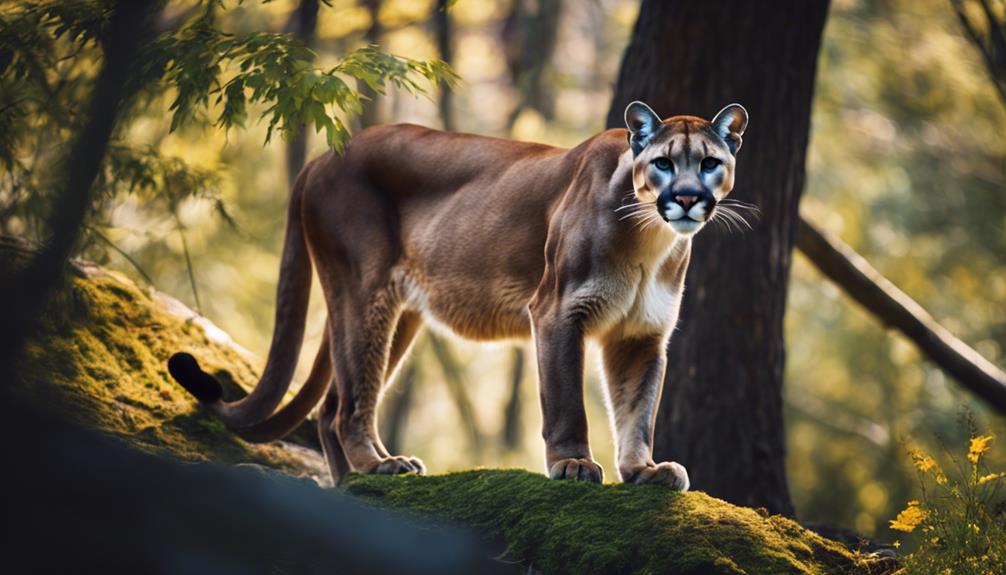
The resurgence of mountain lions in Iowa, once eradicated by settlers in the 1850s, is now evident through increasing sightings as young males disperse from western states in search of new territories. These big cats, primarily targeting deer as prey, have not caused any injuries in Iowa for over a century.
The possibility of a breeding population establishing in Iowa remains uncertain, with their presence in the state still unfolding.
Wild Cat Habitats
Having explored the resurgence of mountain lions in Iowa, it is imperative to now examine the diverse habitats that support the existence of various wild cat species in the state.
- Forest hideouts
- Wetland territories
- Prairie hunting grounds
Iowa's landscape offers a range of habitats, from dense forests to open prairies, catering to the needs of bobcats, mountain lions, and other wild cats.
Conservation Efforts
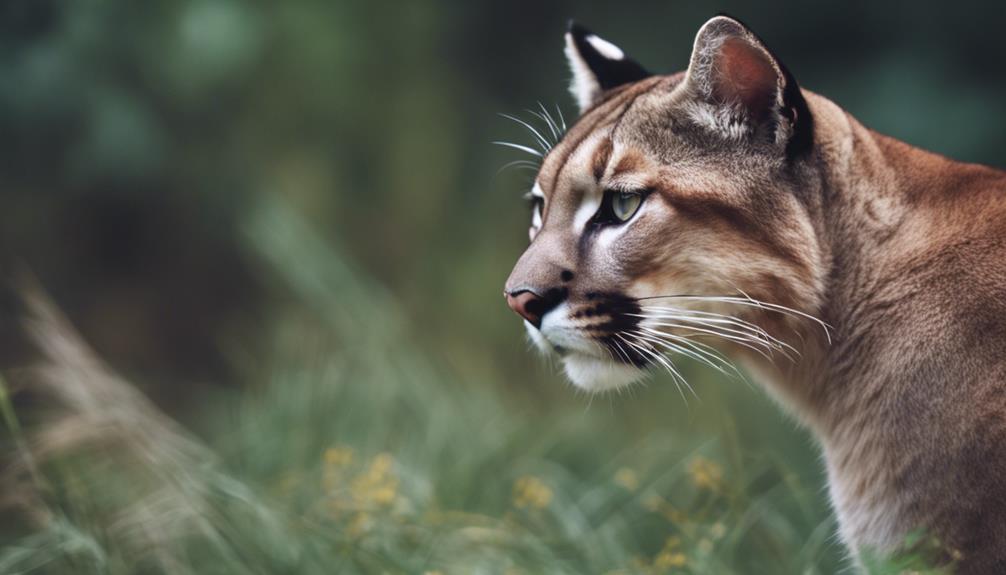
In light of the imperative need to safeguard the habitats of wild cats in Iowa, conservation efforts are diligently focused on monitoring, studying, and protecting these elusive feline species.
Resources are allocated towards habitat preservation, research funding, and population monitoring. Conservationists aim to minimize human-wildlife interactions through community involvement and the establishment of wildlife corridors.
Collaborative efforts seek to guarantee the long-term survival of wildcat species in Iowa.
Wildlife Encounters
Recent sightings of wild cats in Iowa have prompted concerns among locals and wildlife experts. Understanding the habitat preferences of these cats is essential in preventing potentially dangerous encounters.
Conservation efforts aimed at protecting these majestic creatures are gaining momentum in the state.
Recent Sightings in Iowa
Iowans have been capturing images and videos of mountain lions on trail cameras in recent wildlife encounters.
- Mountain lion sightings in Iowa are increasing due to dispersing animals moving east.
- No injuries caused by mountain lions have been reported in the last 110 years in Iowa.
- Mountain lions, once native to Iowa, were eradicated by settlers in the 1850s.
- Recommended actions when encountering a mountain lion include making oneself appear large and yelling.
Habitat Preferences of Cats
Wild cats in Iowa exhibit distinct habitat preferences that play a significant role in their wildlife encounters. Bobcats favor habitats with dense vegetation for cover and hunting small mammals.
Mountain lions traverse various habitats in search of deer, their primary prey.
Lynx thrive in cold, forested regions with ample snow cover to hunt snowshoe hares.
Understanding these preferences aids in potentially spotting these elusive creatures in the wild.
Conservation Efforts for Cats
Efforts to promote coexistence between humans and wild cats in Iowa through public education and habitat protection are essential components of conservation initiatives. Conservationists focus on maintaining the wild cat population by raising public awareness and mitigating human-wildlife conflicts. Strategies include securing food sources and garbage to prevent attracting wild cats, as well as protecting natural habitats. Reporting sightings of wild cats aids in tracking their movements for better management.
- Secure food sources and garbage
- Protect natural habitats
- Raise public awareness
- Report wild cat sightings
Are the Types of Wild Cats in Ohio Similar to the Types found in Iowa?
The types of wild cats found in Ohio may differ from those in Iowa. Ohio is home to the bobcat, while Iowa’s wild cat population includes bobcats and cougars. The specific types of wild cats found in each state depend on natural habitats and environmental factors.
Coexisting With Wild Cats
How can residents of Iowa effectively navigate encounters with wild cats to promote peaceful coexistence? Implementing safety precautions, understanding human-wildlife interactions, and considering population dynamics are vital.
| Safety Precautions | Human-Wildlife Interactions | Population Dynamics |
|---|---|---|
| Make noise | Learn about their behavior | Monitor sightings |
| Stay calm | Respect their space | Track movements |
| Avoid sudden movements | Report unusual behavior | Understand dispersal |