
Michigan is home to diverse wild cats, Bobcats being prominent in the Upper Peninsula, praised for controlling small mammals. Cougars, elusive in Michigan's landscapes, mainly sighted in the Upper Peninsula, dispelling 'black cat' misconceptions. Lynxes, native to Michigan's northern forests, favor lowland areas, dining on snowshoe hares, contributing to forest biodiversity. Wildcats, endangered in the state, face habitat loss and illegal hunting, prompting conservation efforts led by Michigan DNR. These feline species play crucial roles in Michigan's ecosystems. Various protections are in place for these native wildcats, highlighting the importance of safeguarding their habitats. Learn more about Michigan's wild cat diversity.
Bobcats: Michigan's Stealthy Woodland Predators
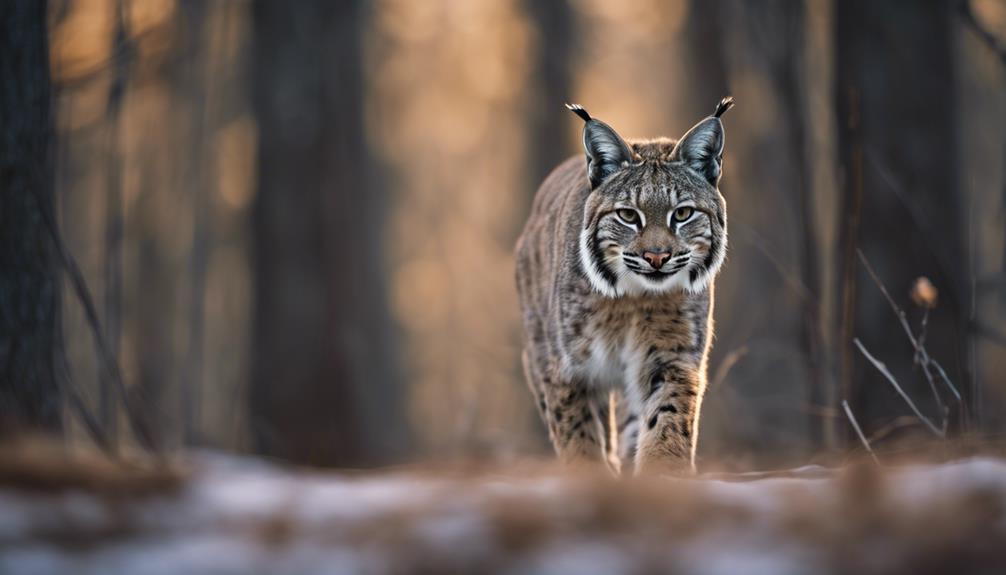
Bobcats, the predominant wildcat species in Michigan's Upper Peninsula, are revered for their stealthy nature as woodland predators. Feeding on rodents and deer, they play an essential role in the ecosystem by controlling small mammal populations.
These solitary animals, with a typical litter size of around 3 kittens, thrive in Michigan's woodland habitats. With a lifespan of up to 12 years, bobcats are well-adapted to their environment, ensuring ecological balance.
Cougars: Elusive Mountain Lions of Michigan
Michigan's wildlife enthusiasts have long been intrigued by the elusive presence of cougars, also recognized as mountain lions, within the state's diverse landscapes. The Michigan Department of Natural Resources (DNR) has confirmed over 65 sightings of these native wildcats, mostly in the Upper Peninsula.
Despite some misconceptions labeling them as 'black cats,' these confirmed cougars are young males likely seeking mates and territories, with safety precautions advised due to their rarity in the Lower Peninsula.
Lynxes: Northern Forest Dwellers in Michigan
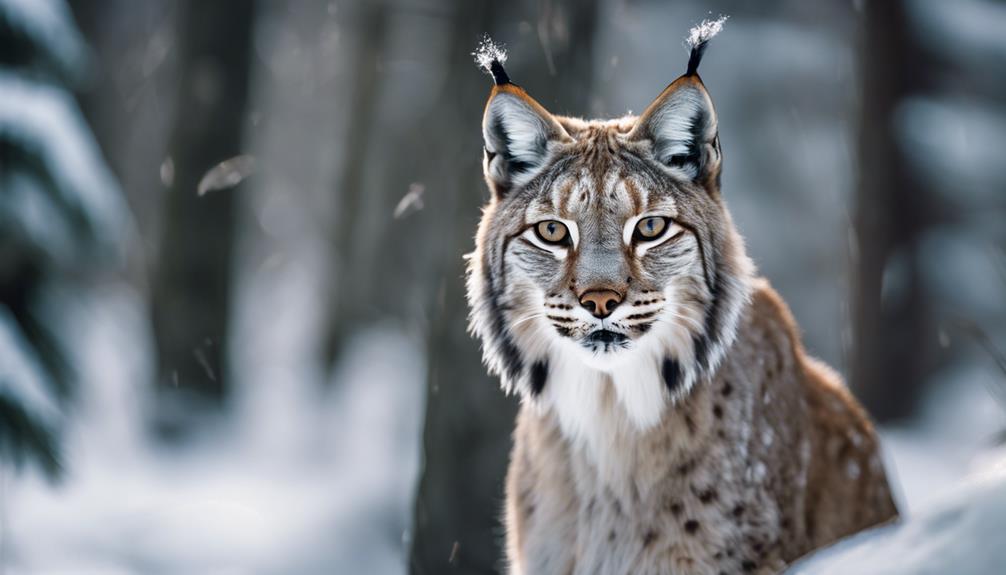
Native to Michigan's northern forested areas, lynxes are fascinating wildcats known for their preference for lowland and conifer forests.
Snowshoe hares are a key part of their diet. Their large paws assist in traversing snowy terrains.
While rare in the Upper Peninsula, lynxes contribute significantly to Michigan's forest biodiversity. These majestic felines play an essential role in maintaining the delicate balance of their ecosystem.
Wildcats: Diverse Feline Species in Michigan
Michigan harbors a diverse array of feline species, including bobcats, mountain lions, and lynxes. These large cats are considered endangered species in the state, with conservation efforts led by the Michigan Department of Natural Resources.
Loss of habitat, illegal hunting, and climate change pose significant threats to these wildcats. Public education on coexisting with wildcats and responsible outdoor practices is essential for their conservation.
Sightings of cougars in Michigan indicate the importance of protecting their habitat.
Are There Any Similar Wild Cat Species in Michigan and Scotland?
Yes, there are similar types of wild cats in both Michigan and Scotland. In Michigan, you can find the bobcat, while in Scotland, there are Scottish wildcats. These two species share some similar characteristics, such as their solitary nature and nocturnal habits.
Feline Diversity: Wild Cats of Michigan
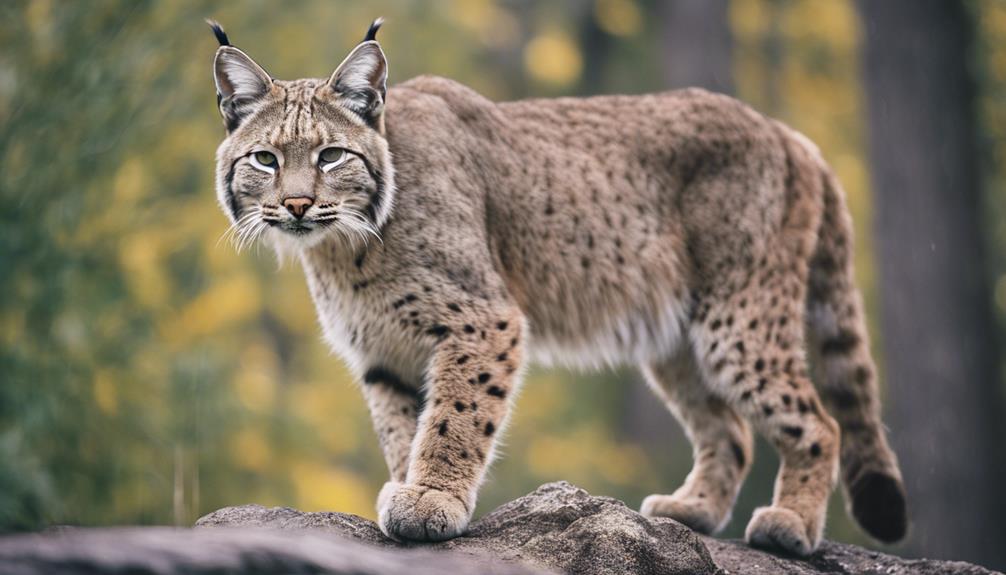
The diverse feline population in Michigan comprises three distinct wildcat species, each playing an essential role in the state's ecosystem.
- Mountain lions, also known as cougars, are the largest wildcats in Michigan.
- The Michigan Department of Natural Resources has confirmed cougar sightings.
- Bobcats are often spotted in the Upper Peninsula.
- Conservation efforts are in place to protect these endangered native wildcats.