
Forget Me Nots can harm cats since they contain pyrrolizidine alkaloids. Ingestion may trigger stomach problems and liver damage. Look out for signs like vomiting, diarrhea, drooling, lethargy, or weight loss. Safer options for cats include catnip, catmint, and cat grass. Prioritizing non-toxic plants helps prevent potential harm to your feline friend. Make sure your environment is cat-friendly by steering clear of toxic greenery. Stay tuned to uncover more about safeguarding cats from hazardous plants. Additionally, educating yourself about toxic plants can go a long way in ensuring your cat’s well-being. While maintaining a safe environment, don’t forget that cats have natural instincts and abilities; for instance, many pet owners wonder, can cats hunt rats effectively? The answer lies in their innate predatory skills, but ensuring they are healthy and free from toxins greatly enhances their overall abilities and quality of life.
Forget Me Nots and Cat Safety
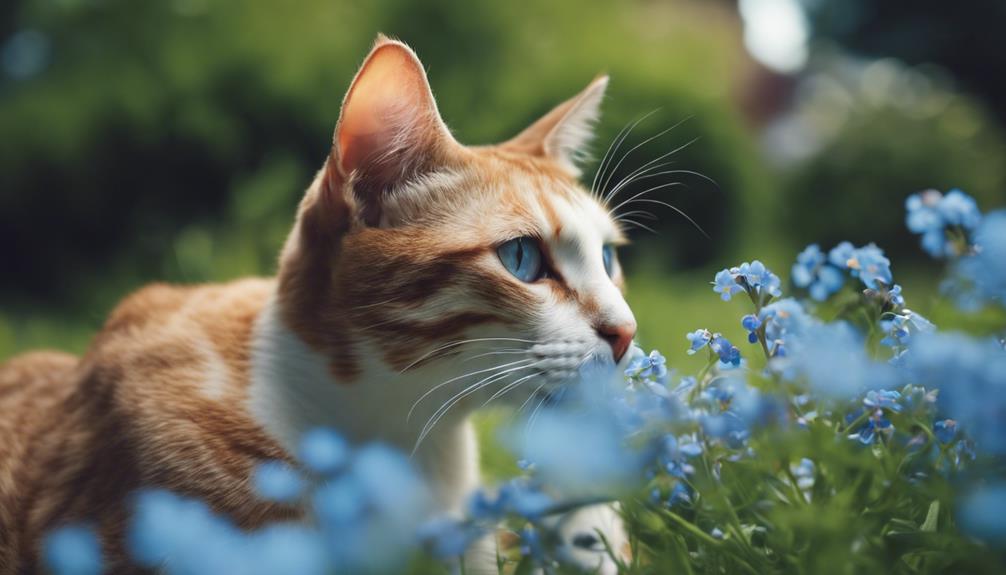
When considering the safety of cats in relation to Forget Me Nots, it is important to be aware of the potential toxicity of True Forget-Me-Nots due to their composition of pyrrolizidine alkaloid. This compound is toxic to cats because they lack the ability to break it down effectively.
Ingestion of True Forget-Me-Nots can result in gastrointestinal upset and may lead to more severe health issues in cats. Symptoms of toxicity include vomiting, diarrhea, excessive drooling, and lethargy. Consuming large quantities of True Forget-Me-Nots can even cause weight loss and liver disease in cats.
To safeguard the well-being of your feline companion, it is advisable to opt for safer alternatives such as catnip, catmint, or cat grass instead of True Forget-Me-Nots to prevent any potential toxicity concerns.
Identifying Toxic Plants for Cats
When it comes to ensuring the safety of our feline friends, identifying toxic plants for cats is essential. Common cat toxins like lilies, tulips, and azaleas should be avoided in homes with cats.
To maintain plant safety, it's important to research and understand which plants can pose a risk to our beloved pets.
Toxic Plants for Cats
Identifying toxic plants for cats is vital for safeguarding feline health and well-being. When it comes to toxic plants, there are several common ones that cat owners should be aware of to protect their pets:
- Lilies: Particularly dangerous for cats, causing kidney failure even in small amounts.
- Sago Palm: Ingestion can lead to vomiting, liver failure, and even death in cats.
- Autumn Crocus: Contains toxins that can cause severe gastrointestinal issues and organ damage in cats.
Being able to recognize these toxic plants and keeping them out of reach of cats is essential in preventing accidental ingestion and potential harm to our feline companions.
Common Cat Toxins
Recognizing the potential dangers posed by certain plants is paramount for cat owners, especially when it comes to safeguarding their feline companions from harmful substances. Below is a table outlining some common toxins that can be dangerous for cats if ingested:
| Toxin | Symptoms | Treatment |
|---|---|---|
| Lilies | Vomiting, lethargy, kidney damage | Veterinary care needed |
| Aloe Vera | Diarrhea, tremors, change in urine color | Remove access, vet visit |
| Sago Palm | Vomiting, liver failure | Immediate vet attention |
| Tulip | Drooling, difficulty breathing | Seek veterinary care |
| Oleander | Cardiac issues, tremors | Emergency veterinary care |
Being aware of these common cat toxins can help in preventing accidental ingestion and ensuring the well-being of your feline friend.
Plant Safety Tips
To ensure the safety of cats in a garden environment, it is essential for pet owners to be well-versed in identifying plants that may pose a toxic threat.
- Research Plants: Before introducing new plants to your garden, research their toxicity levels for cats.
- Consult Reliable Sources: Consult resources like the ASPCA for information on toxic plants and safe alternatives.
- Monitor Your Garden: Regularly inspect your garden for any potentially harmful plants and promptly remove them to prevent accidental ingestion by cats.
Recognizing Symptoms of Toxicity
Recognizing symptoms of toxicity in cats due to forget-me-not ingestion is vital for prompt intervention. Common signs include:
- vomiting
- diarrhea
- excessive drooling
- pawing at the mouth
If your cat displays these symptoms or shows lethargy and unusual behavior, seeking urgent veterinary care is essential to mitigate the effects of toxicity.
Common Toxic Signs
Signs of toxicity in cats from Forget-Me-Nots commonly manifest as vomiting and diarrhea. When dealing with chronic ingestion of Forget-Me-Nots, it is essential to watch out for the following signs:
- Excessive drooling or pawing at the mouth
- Lethargy and hiding behaviors
- Unusual behavior after potential exposure
These signs can indicate that your cat has ingested toxic substances. If you notice any of these symptoms, it is important to take immediate action and seek veterinary care promptly.
Quick response and professional evaluation can help mitigate the effects of toxicity in cats and safeguard the well-being of your feline companion.
Urgent Vet Care
When observing a cat exhibiting symptoms of toxicity from ingesting Forget-Me-Nots, immediate veterinary intervention is essential to prevent further complications and safeguard the well-being of the feline.
Cat lovers should be vigilant for signs such as vomiting, diarrhea, excessive drooling, pawing at the mouth, lethargy, hiding, or unusual behavior.
If you suspect your cat has ingested toxic forget-me-nots, seeking urgent vet care is vital. The veterinarian may induce vomiting, administer activated charcoal, and provide IV fluids to flush out toxins.
Removing the plant from your cat's environment is important to prevent additional ingestion. Recognizing these symptoms promptly and acting decisively can help secure the best possible outcome for your beloved feline companion.
Treatment for Plant-Related Mishaps
In cases of plant-related mishaps involving forget-me-nots, prompt veterinary treatment is essential to address potential toxicity in cats. Treatment for such incidents may involve:
- Inducing Vomiting: To expel any ingested plant material and prevent further absorption of toxins.
- Activated Charcoal: Administered to absorb toxins in the cat's system and reduce their harmful effects.
- Intravenous Fluids: Help in preventing dehydration, supporting kidney function, and flushing out any remaining toxins from the body.
These interventions are vital in managing plant-related toxicity and promoting the well-being of affected cats. After initial treatment, continued monitoring and adjustments to the cat's care may be necessary for a full recovery.
Creating a Cat-Safe Environment
To guarantee the well-being and safety of your feline companion, it is essential to create a cat-safe environment by implementing preventive measures and strategic planning. Elevating garden beds or planters can help keep forget-me-nots out of reach for cats, reducing the risk of toxicity. Additionally, constructing a catio allows for safe outdoor exploration without access to toxic plants like forget-me-nots.
Opt for cat-friendly alternatives such as catnip and catmint in your garden instead of forget-me-nots. Regularly inspect and remove any forget-me-nots or other toxic plants from your cat's indoor environment. Consulting resources like the ASPCA's list of non-toxic plants can further ensure a safe indoor and outdoor environment for your beloved feline friend.
Can cats be poisoned by similar flowers like Dahlias if they are also exposed to Forget Me Nots?
Yes, dahlias and cat toxicity are serious concerns. While forget-me-nots can also be toxic to cats, they are not in the same category as dahlias. Both flowers can pose a risk to your feline friend if ingested, so it’s important to keep them out of reach.
Alternatives to Toxic Plants
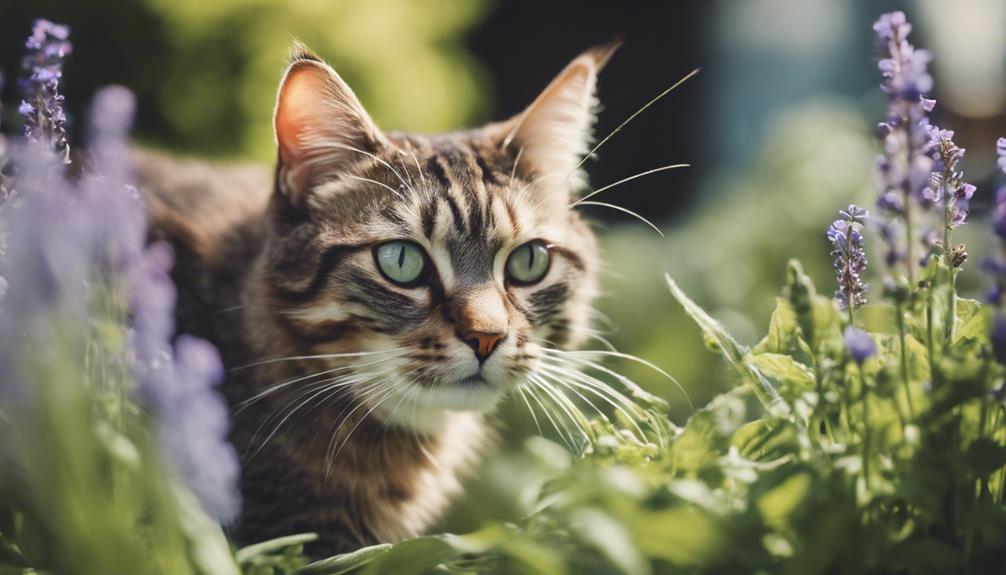
Cat owners can effectively replace toxic plants like Forget-Me-Nots with safe alternatives such as catnip and catmint to guarantee their feline companions' well-being. When looking for alternatives to toxic plants, consider these options:
- Cat Grass: Planting cat grass provides a safe nibbling option for cats instead of toxic plants.
- ASPCA's List: Always refer to the ASPCA's list of non-toxic plants before planting to make sure cat safety.
- Cat-Friendly Environment: Creating a cat-friendly environment with safe plants can help prevent potential toxicity issues.
Offering alternatives like cat-safe herbs and flowers can help keep cats away from toxic plants like Forget-Me-Nots, ensuring a safe environment for your beloved pets.