
Geraniums can be toxic to cats due to essential oils like geraniol and linalool. Ingestion may lead to symptoms such as vomiting, diarrhea, and mouth irritation. Scented geraniums are toxic, while Cranesbill geraniums are safe. Signs of poisoning include lethargy and lack of appetite. Immediate vet care is essential. Actions include removing the cat from the plant and seeking veterinary advice. Cranesbill geraniums are a safe alternative. Prompt diagnosis and treatment are important for recovery. Expert advice emphasizes avoiding home treatments. Managing symptoms and potential complications is crucial for cat health. Further information provides in-depth guidance on geranium toxicity.
Geranium Toxicity in Cats
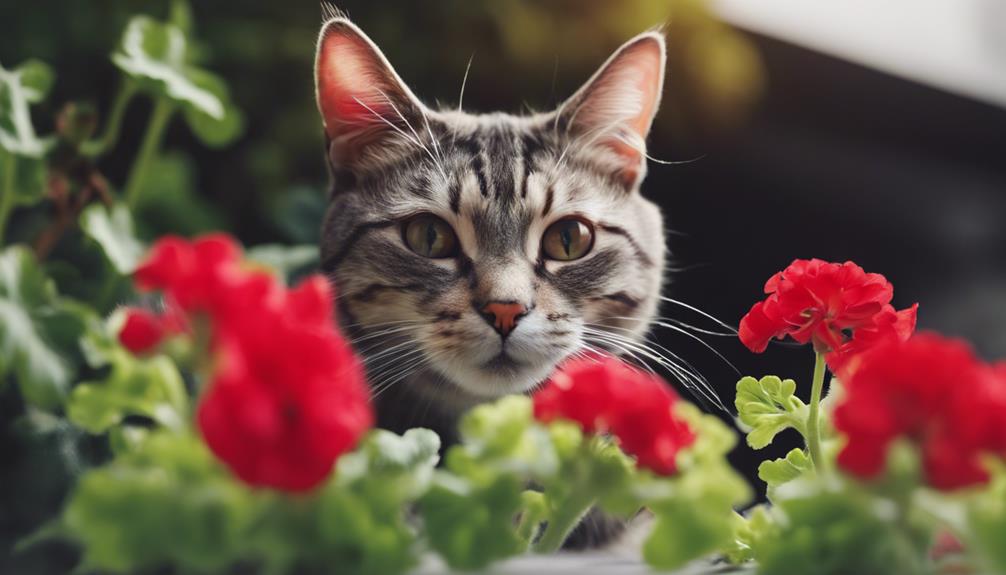
Geranium toxicity in cats is a serious concern due to the presence of toxins like geraniol and linalool in these plants. These essential oils can lead to various adverse health effects in felines, such as gastrointestinal upset and skin irritation. When cats ingest geraniums, they may experience symptoms like vomiting, diarrhea, anorexia, and mouth irritation.
Scented geraniums, specifically Pelargonium spp., are toxic to cats, while Cranesbill geraniums (Geranium spp.) are considered non-toxic. Prompt veterinary attention is essential if a cat ingests geranium to prevent and address potential toxicity symptoms. Understanding the risks associated with geranium toxicity can help pet owners take proactive measures to keep their feline companions safe and healthy.
Signs of Geranium Poisoning in Cats
Displaying symptoms like vomiting, diarrhea, depression, and anorexia can indicate potential poisoning in cats who have ingested geraniums. Additionally, coming into contact with the green leaves of the geranium plant may cause skin irritation and dermatitis in cats.
It's essential for cat owners to recognize signs of lethargy and lack of appetite, as these could be indicative of geranium toxicity. The severity of symptoms can vary depending on the amount of the plant ingested and individual pet factors.
If a cat displays any of these signs after being exposed to geraniums, immediate veterinary care is necessary to prevent further complications and safeguard the well-being of the feline companion.
Immediate Actions for Geranium Ingestion
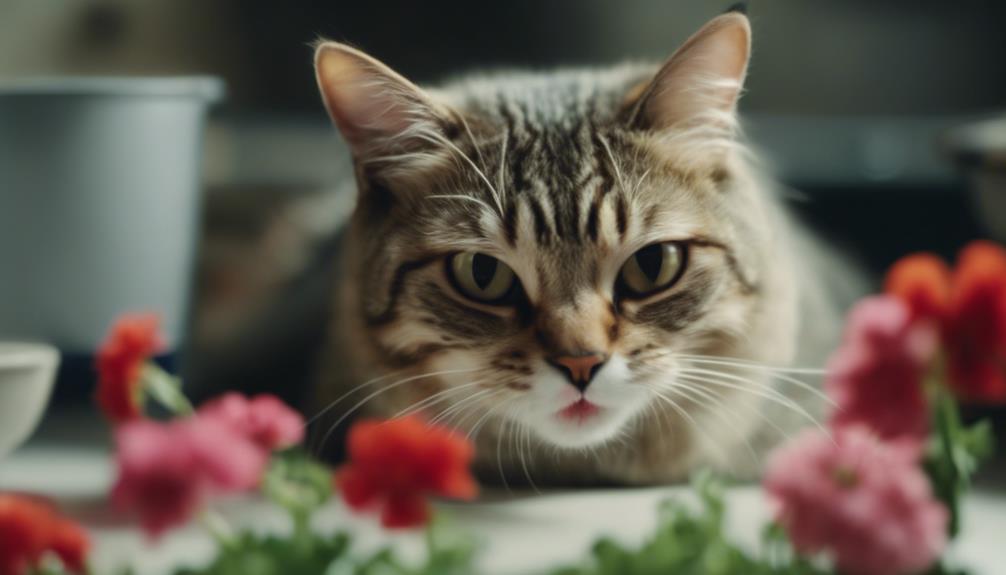
When a cat ingests geraniums, it is important to act promptly. Remove the cat from the plant, clean its mouth, and seek immediate veterinary advice.
Monitoring for symptoms and following the vet's guidance can help guarantee the cat's well-being.
Emergency Vet Visit
Upon suspecting that your cat has ingested geraniums, immediate veterinary assistance is essential to mitigate potential toxicity risks. Contact your veterinarian or an emergency vet right away, as geraniums are poisonous to cats, especially when consumed in large quantities.
Inducing vomiting in your cat should only be done under veterinary guidance to avoid further harm. Seek advice on administering activated charcoal to help bind with toxins in your cat's digestive tract. Early intervention is critical in preventing severe symptoms such as vomiting, diarrhea, or lethargy.
Monitoring your cat closely after ingestion is important, but immediate professional help is key to ensuring your cat's well-being. Remember, essential oils from geraniums can pose serious health risks to your feline companion.
Monitor for Symptoms
Monitoring for symptoms of geranium ingestion in cats is important for promptly evaluating their well-being and addressing any potential toxicity risks. After a cat ingests geraniums, it is essential to keep an eye out for signs such as vomiting, diarrhea, lethargy, and lack of appetite.
The severity of symptoms can vary depending on the quantity consumed, ranging from mild to severe. Observing any changes in behavior or health post-ingestion is crucial to assess the cat's condition accurately. Quick response and continuous monitoring are key in managing and addressing any adverse effects of geranium toxicity.
If any concerning symptoms manifest, contacting a vet or poison control center for further guidance is recommended to ensure the cat receives appropriate care promptly.
Toxic Geranium Varieties for Cats
Toxic varieties of geraniums pose a threat to cats due to the presence of harmful essential oils like linalool and geraniol in certain species such as scented geraniums (Pelargonium spp.).
These toxic geraniums, if ingested by cats, can lead to symptoms like vomiting, diarrhea, lack of appetite, and lethargy. It is important for cat owners to be aware of the potential dangers these plants may pose, especially if brought indoors where cats can easily access them.
Immediate veterinary care is necessary if a cat ingests toxic scented geraniums to prevent severe complications. Hence, it is essential to make sure that cat-friendly homes do not contain any toxic geranium varieties to safeguard the health and well-being of feline companions.
Safe Alternatives for Cat-Friendly Homes
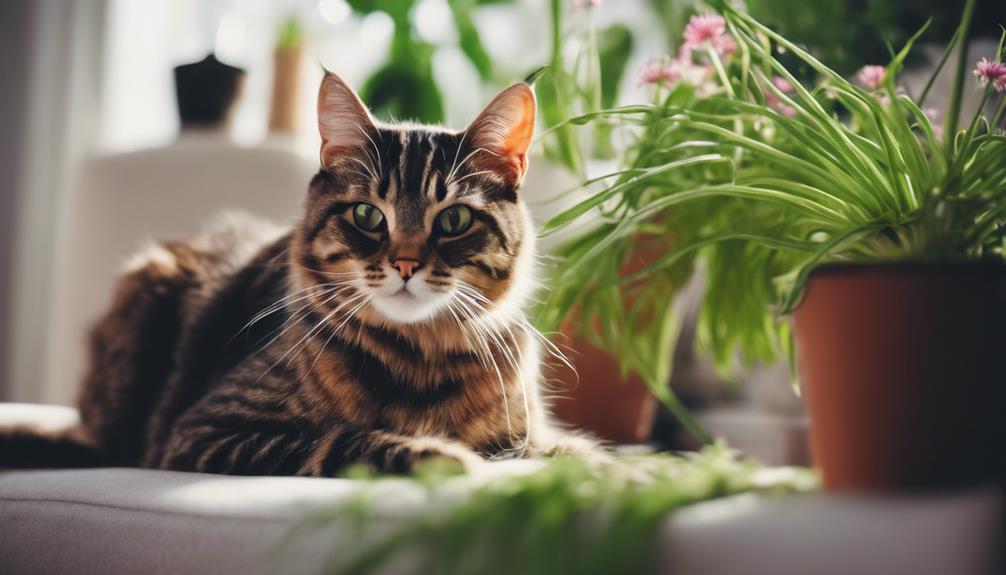
Cat-friendly homes can benefit from pet-safe plant options like cranesbill geraniums, which are non-toxic to felines. These non-toxic greenery choices provide a safe environment for cats, allowing pet owners to enjoy floral beauty without compromising their pets' well-being.
Including feline-friendly floral substitutes such as cranesbill geraniums in home decor enhances the living space while ensuring the safety of beloved pets.
Pet-Safe Plant Options
When creating a cat-friendly environment at home, incorporating pet-safe plant options such as catnip, lemongrass, valerian, and spider plants can enhance both the aesthetic appeal and well-being of your feline companions.
Catnip is a favorite among cats, offering a non-toxic option that they enjoy.
Lemongrass not only provides a pleasant scent but also acts as a natural mosquito repellent.
Valerian plants bring beauty and a delightful fragrance to your living space.
Additionally, spider plants are visually appealing, easy to care for, and safe for cats to be around.
Non-Toxic Greenery Choices
In creating a safe and welcoming environment for your feline companions, it is crucial to carefully select non-toxic greenery choices that enhance both the aesthetic charm of your home and the well-being of your cats. When considering cat-friendly plants, you can opt for:
- Catnip: Known for its appeal to cats and safety for feline companions.
- Lemongrass: Offers a pleasant scent and natural mosquito-repelling properties.
- Valerian: Provides beautiful blooms and a fragrant environment without posing any toxicity risks to cats.
These options not only add beauty to your living space but also guarantee a safe environment for your furry friends to explore and enjoy.
Feline-Friendly Floral Substitutes
Consider incorporating a variety of non-toxic floral substitutes to create a safe and appealing environment for your feline companions. Cat-friendly options such as catnip, lemongrass, valerian, and spider plants offer safe alternatives to geraniums in homes with cats.
Catnip is a popular choice, providing a safe and enjoyable interaction for cats. Lemongrass not only has a pleasant scent but also acts as a natural mosquito repellent, benefiting both cats and their owners.
Valerian presents beautiful blooms and a pleasing fragrance, adding visual appeal to cat-friendly spaces. Spider plants are easy to maintain, visually attractive, and pose no toxicity risk to cats, making them a practical addition to indoor environments where feline friends roam.
Understanding Geranium Poisoning Symptoms

Understanding the symptoms of geranium poisoning in cats is essential for timely identification and treatment of potential toxicity. When a cat ingests or comes into contact with geranium plants, several symptoms may manifest:
- Vomiting and diarrhea are common initial signs of geranium poisoning.
- Anorexia, lethargy, and a lack of appetite may indicate more severe toxicity.
- Skin and mouth irritation, along with dermatitis from contact with geranium leaves, can also occur.
It's vital to monitor cats closely for these symptoms, especially after exposure to geraniums. Mild cases may resolve quickly, but severe toxicity can arise from consuming multiple plants. Understanding these signs can help pet owners respond promptly to protect their feline companions from the dangers of geranium poisoning.
Diagnosis and Treatment Options
An essential aspect in managing scented geranium poisoning in cats involves promptly diagnosing the condition and implementing appropriate treatment measures. Diagnosis typically includes a thorough physical examination to rule out other potential causes of symptoms, along with diagnostic tests such as a complete blood count (CBC) and urinalysis.
Symptoms of scented geranium poisoning in cats may manifest as gastrointestinal upset, anorexia, depression, vomiting, and diarrhea, with the severity often linked to the amount ingested. Treatment options for scented geranium poisoning in cats consist of removing the plant to prevent further ingestion, administering emetic drugs to induce vomiting, and providing activated charcoal to bind with toxins.
Recovery from scented geranium poisoning is usually achievable within about 24 hours if further exposure is prevented, with the prognosis influenced by the quantity consumed and the timeliness of veterinary intervention.
Recovery Process for Poisoned Cats
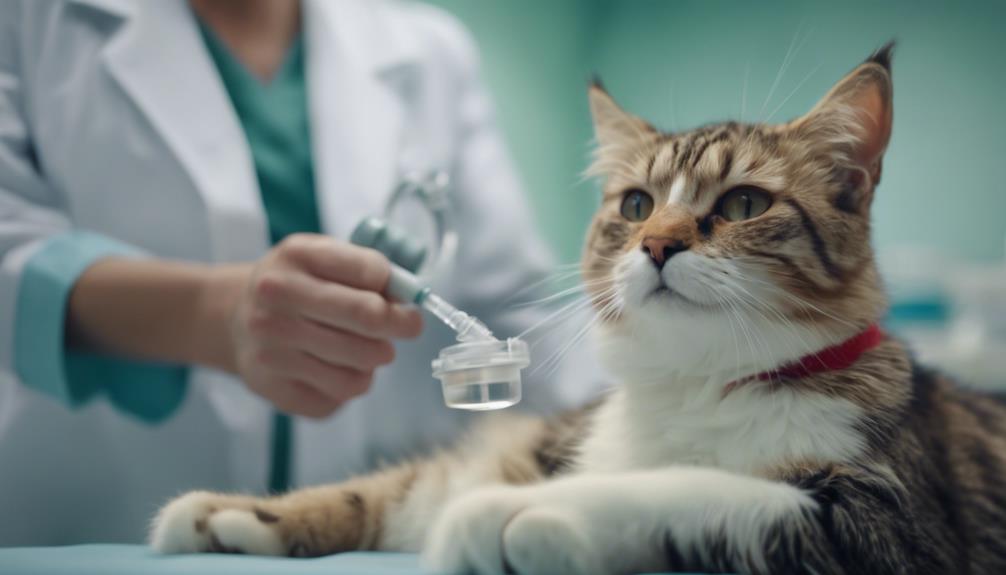
Upon ingesting geraniums, cats may undergo a recovery process contingent on the quantity consumed and the severity of symptoms exhibited. Recovery for poisoned cats involves:
- Monitoring the cat closely for at least 24 hours to observe symptoms and changes.
- Administering any necessary treatments such as inducing vomiting and providing supportive care.
- Preventing further ingestion by removing geraniums from the cat's environment.
With prompt and appropriate care, cats can recover within a day if no further exposure to the plant occurs. Immediate admission to a veterinary hospital is essential for a higher likelihood of a successful recovery. Removing the source of poisoning and ensuring the cat's safety are crucial steps in aiding the recovery process for cats poisoned by geraniums.
Are There Any Safe Plants for Cats to Be Around?
Gardenias and cat toxicity are important concerns when it comes to creating a safe environment for our feline friends. While gardenias are admired for their fragrant blooms, they can pose a threat to cats if ingested. It’s crucial to research cat-friendly plants such as catnip or spider plants, which are non-toxic and can still brighten up your home while ensuring your cat’s safety.
Expert Advice on Geranium Poisoning
Scented geranium poisoning in cats poses a significant health risk due to the toxic principles present in various parts of the plant, potentially causing a range of adverse symptoms. If you suspect your cat has ingested scented geraniums, seek immediate veterinary care.
Experts advise against inducing vomiting at home, as it can worsen the situation. Treatment may involve supportive care such as fluid therapy to prevent dehydration and medications to manage symptoms like vomiting and diarrhea.
Monitoring for potential complications such as hypothermia and muscle weakness is important. Remember, even small amounts of scented geranium can be harmful to cats, so it's crucial to keep these plants out of reach to prevent accidental ingestion and potential poisoning.