
Hostas are toxic to cats due to saponins in all parts. Ingestion can lead to symptoms like vomiting, diarrhea, & nausea, potentially causing poisoning. Severe cases may result in depression, cardiac issues, & more. Awareness of signs is essential for prompt vet care. Treatment includes removing plant material, using activated charcoal, IV fluids, & meds. Prevent poisoning by keeping hostas out of reach, educating on toxic plants, & creating a safe space. Opt for cat-friendly plants like bamboo, basil, or pumpkin instead. Understanding these risks helps guarantee your pet's safety and well-being.
Potential Dangers of Hostas for Cats
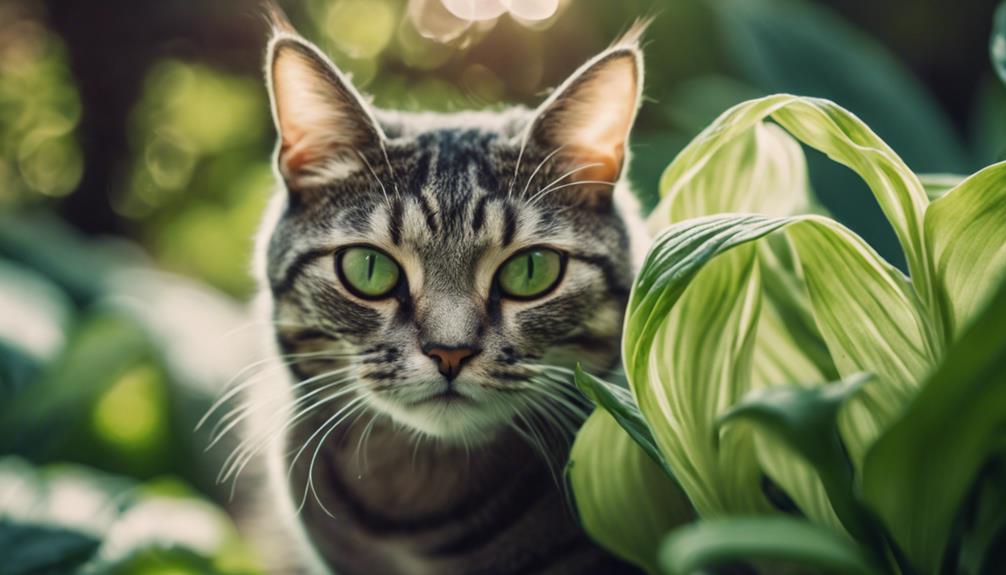
With their toxic saponins present in all parts of the plant, hostas pose potential dangers to cats, making it essential for cat owners to be vigilant. Hosta poisoning in cats can result from ingesting any part of the plant, including leaves, flowers, stems, or roots.
These toxic plants can cause gastrointestinal distress in cats, leading to symptoms like vomiting, diarrhea, and nausea. While most cats may avoid consuming hostas due to their bitter taste, curious felines or kittens may still be at risk of ingestion.
In severe cases, hosta poisoning can progress to more serious symptoms such as depression, cardiac abnormalities, and other health issues. Cat owners need to be informed about the risks associated with hostas and take precautions to prevent their pets from potential harm.
Symptoms of Hosta Ingestion in Cats
Symptoms of hosta ingestion in cats can manifest as digestive upset, including nausea, vomiting, and diarrhea. In severe cases of hosta poisoning, cats may also experience depression and cardiac abnormalities.
These symptoms can worsen as the toxic glycoside saponins in hostas irritate the respiratory and digestive membranes of the cats. Severe poisoning cases can impact essential body functions, leading to a range of symptoms beyond digestive issues.
It is important for cat owners to be aware of these signs if their feline friends have ingested any part of the hosta plant. Seeking prompt veterinary care is necessary in cases of suspected plant toxicity in cats to prevent further complications.
Treatment for Hosta Poisoning in Cats
Treatment options for hosta poisoning in cats involve immediate intervention to minimize the toxic effects of ingested plant material. The first step is to remove any remaining plant material from the cat's mouth.
Activated charcoal can be administered to help absorb toxins in the digestive system. Supportive care, such as intravenous (IV) fluids, may be necessary to flush out the toxins effectively.
In some cases, inducing vomiting can aid in removing any leftover plant material from the stomach. Additionally, medications might be prescribed to manage symptoms like vomiting and diarrhea.
It is essential to seek veterinary assistance promptly if you suspect your cat has ingested a toxic plant like hostas to ensure proper treatment and care.
Preventing Hosta Poisoning in Cats
To safeguard your feline companions from potential harm, proactive measures must be taken to prevent hosta poisoning in cats. Hostas contain glycoside saponins in their leaves, flowers, and roots, making them toxic to cats.
While most cats will not actively consume hostas, it is essential to remove access to these plants in your home or garden, especially if you have curious cats or kittens. Educating yourself on toxic plants for cats and ensuring a safe environment can help prevent accidental poisoning.
Hostas Vs. Cat-Friendly Plants
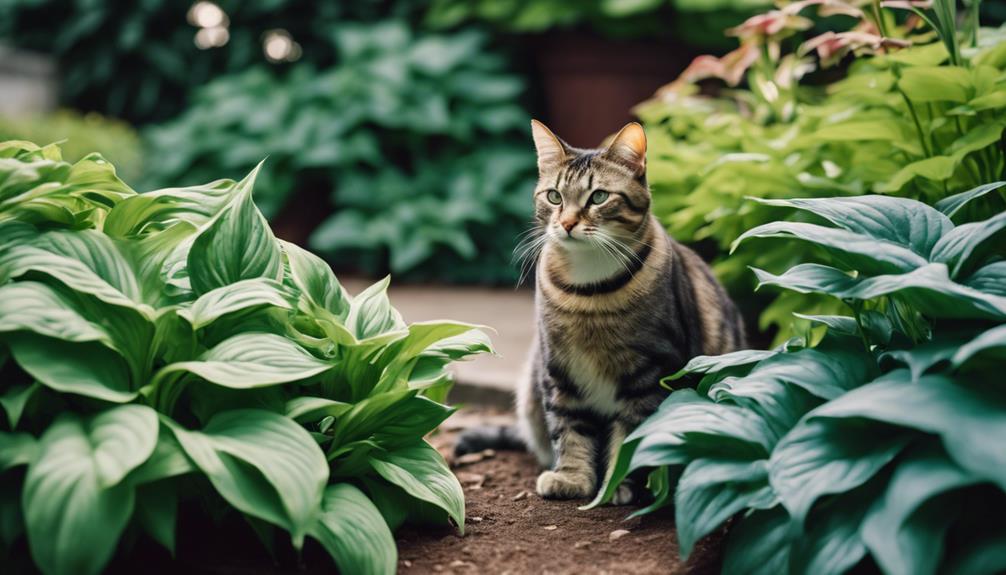
When comparing hostas with cat-friendly plants, it is essential to prioritize the safety and well-being of feline companions by understanding the potential risks and benefits associated with different vegetation choices.
While hostas are toxic to cats, causing gastrointestinal distress if ingested, there are many cat-friendly plants that provide safe alternatives for your furry friends. Cat-friendly outdoor plants like autumn olive, bamboo, and banana offer safe nibbling options. Additionally, herbs such as dill, basil, and mint are excellent choices for cats to interact with safely.
For cat owners looking to incorporate veggies into their gardens, non-toxic options like pumpkin, squash, and green beans are ideal. Utilizing resources like the ASPCA's detailed list of toxic and non-toxic plants can help guide cat owners in creating a safe environment for their pets.
Are Poisonous Plants for cats all Hostas and Hydrangeas Dangerous for Cats?
Yes, some plants like hydrangeas and hostas can be dangerous for cats. These plants contain toxins that can cause vomiting, diarrhea, and other health issues if ingested by cats. It’s essential for cat owners to be aware of these potential dangers and take steps to ensure the safety of their pets.
Vet Guidance on Hostas and Cats
In light of the potential risks posed by hostas to cats, seeking guidance from a veterinarian can provide valuable insights on how to guarantee the safety and well-being of feline companions. When discussing hostas and cats with a vet, important points to take into account include:
- Identification of toxic plants for cats in the home environment.
- Recognition of symptoms of hosta poisoning in cats.
- Understanding the importance of seeking veterinary attention if poisoning is suspected.
- Implementing preventive measures to restrict cats' access to harmful plants.
- Educating oneself on creating a cat-friendly environment that excludes toxic flora.
Veterinary advice plays an essential role in safeguarding cats from the dangers of ingesting toxic plants like hostas.