
Excessive cat peeing, known as polyuria, can result from health issues like urinary tract infections, chronic kidney disease, or diabetes. A veterinarian's examination with a urine sample is important for accurate diagnosis. Tailored treatment is necessary to address urinary problems effectively. Symptoms include increased water intake, frequent urination, and diluted urine. Monitoring water consumption and litter box behavior helps in identifying underlying causes early. Treatment may involve dietary adjustments, medication, or surgery, based on veterinary evaluation. Understanding the reasons behind excessive peeing is essential for the well-being of your cat. Understanding potential health issues is necessary.
Causes of Excessive Cat Peeing
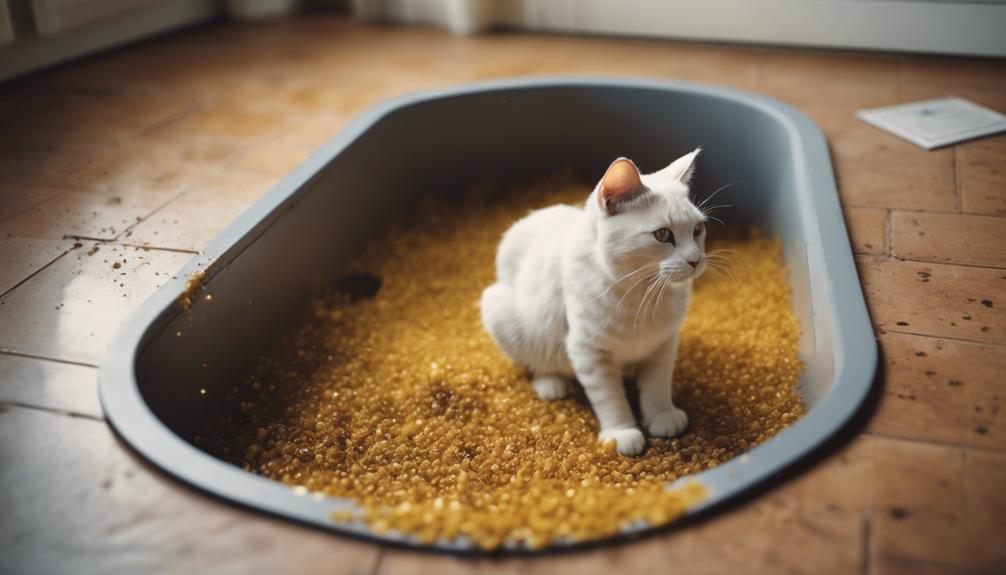
Excessive cat peeing is a common concern among pet owners. It can stem from various underlying health conditions and dietary factors. Cats diagnosed with polyuria, characterized by increased water intake and urine output, may be suffering from urinary tract infections, chronic kidney disease, or diabetes. In some cases, dietary factors such as a high magnesium or calcium intake can also contribute to excessive peeing. If a cat is experiencing frequent urination, particularly during sleep, it is important to consult with a veterinarian to rule out any potential health issues. By addressing any underlying health concerns and adjusting the cat’s diet as needed, pet owners can take steps towards solving cat peeing during sleep and promoting their cat’s overall well-being.
A veterinarian can provide a precise diagnosis through examining a urine sample. This enables tailored treatment for these urinary problems.
Symptoms of Polyuria in Cats
Polyuria in cats manifests as excessive drinking behavior and increased frequency of urination. Cats with this condition may visit the litter box more frequently due to their heightened urine output.
Additionally, owners may notice larger clumps in the litter box and diluted or clear urine from affected cats. Additionally, owners may notice larger clumps in the litter box and diluted or clear urine from affected cats. These symptoms can indicate an underlying health issue, such as diabetes or kidney disease, requiring prompt veterinary attention. While monitoring their cat’s litter box habits, owners should also stay vigilant for other signs of illness, including changes in appetite or gastrointestinal issues, as the causes of cat diarrhea can sometimes overlap with conditions affecting urinary health. Early intervention is key to ensuring a better outcome for your pet.
Excessive Drinking Behavior
Cats experiencing an increased intake of water and producing higher-than-normal volumes of urine may be exhibiting symptoms indicative of a health condition known as polyuria. Excessive drinking behavior, alongside increased urine production, can signal underlying health issues like diabetes mellitus or hyperthyroidism in cats.
To diagnose polyuria, monitoring daily water intake and urine output is essential, requiring thorough veterinarian testing and investigation to determine the root cause.
Increased Frequency of Urination
The increased frequency of urination observed in feline companions can serve as an important indicator of potential underlying health conditions.
- Excessive urination can indicate polyuria in cats.
- More frequent trips to the litter box may be a sign of health issues.
- Cats with polyuria may produce a larger volume of urine daily.
- Monitoring urine output is essential to detect health problems like diabetes.
Diagnosing Cat's Excessive Urination
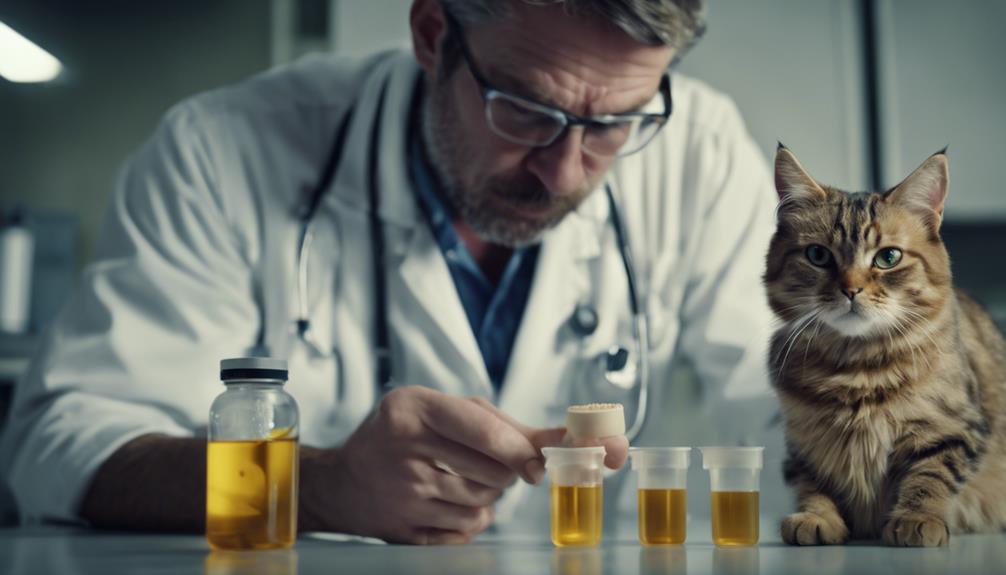
Detecting and diagnosing excessive urination in cats involves closely monitoring their urine output levels and observing changes in their litter box behavior. This helps in identifying patterns indicating increased urination.
Bringing a urine sample to the veterinarian aids in diagnosing underlying health conditions. Veterinary evaluation includes a thorough physical examination and additional tests.
Prompt diagnosis and treatment are essential for proper care in cases of excessive urination.
Treatment Options for Cat Peeing
Effectively managing excessive urination in cats involves implementing tailored treatment options based on the specific underlying cause determined through veterinary evaluation and diagnosis.
- Treatment options may include dietary changes, medication, fluid therapy, or surgery.
- Regular monitoring and vet check-ups are vital for evaluating treatment effectiveness.
- Addressing environmental stressors and maintaining a clean litter box can aid in managing the issue.
- Consulting a veterinarian for a personalized treatment plan is essential.
Monitoring Cat's Water Intake
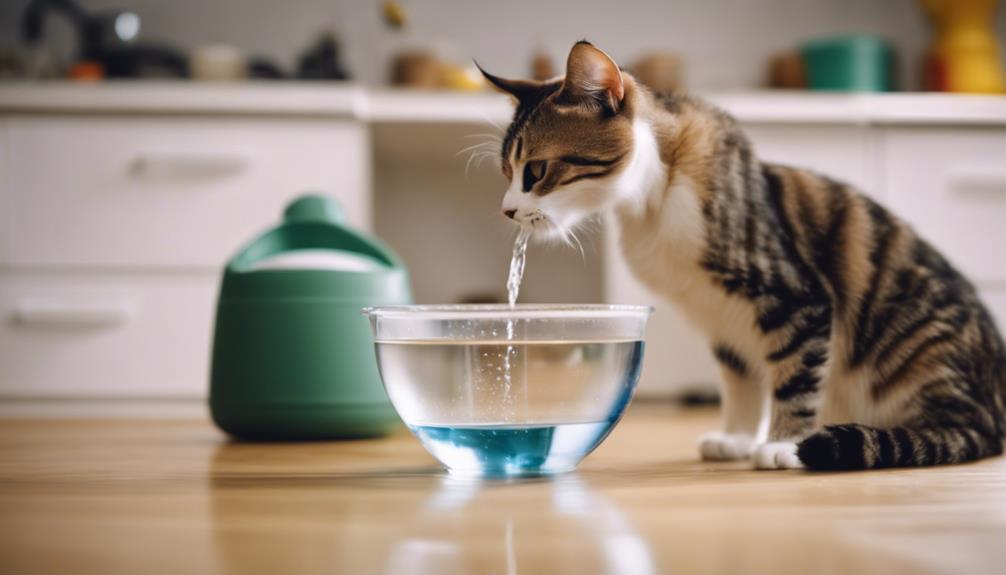
To address the underlying causes of excessive urination in cats, an essential step involves closely monitoring the cat's daily water intake.
Monitoring water consumption, especially if it exceeds 100 ml/kg/day, helps detect potential health issues like kidney problems or diabetes.
Keeping track of the cat's water intake can assist in identifying urinary conditions early, allowing for prompt intervention and management to maintain the cat's health and well-being.
Potential Health Issues in Cats
Excessive urination in cats can signal various health issues, such as diabetes, kidney disease, hyperthyroidism, or urinary tract infections. These conditions can manifest through increased urination and may require veterinary intervention for proper diagnosis and treatment.
Monitoring your cat's urinary habits closely and seeking prompt veterinary care when noticing significant changes is essential for maintaining your cat's health and well-being.
Common Health Problems
Common health problems in cats can lead to excessive urination. These include diabetes, hyperthyroidism, chronic kidney disease, and urinary tract infections.
- Diabetes: Increased water intake and urine output
- Hyperthyroidism: Elevated metabolism and increased urination
- Chronic Kidney Disease: Decreased kidney function
- Urinary Tract Infections: Irritated bladder, frequent urination
Symptoms to Watch
When observing your cat's behavior, noticing any changes in their urination patterns can serve as valuable indicators of potential health issues. Cats with polyuria (excessive urination) and polydipsia (excessive thirst) should be evaluated by a veterinarian promptly. These symptoms can signal underlying health problems like diabetes or kidney disease. Early detection through monitoring urination habits is essential for timely veterinary care and effective treatment.
| Symptoms to Watch | Potential Health Issues | Actions Required |
|---|---|---|
| Increased urination frequency | Diabetes, UTI | Consult a vet |
| Excessive thirst | Kidney disease | Veterinary evaluation |
| Polyuria & Polydipsia | Serious conditions | Immediate veterinary care |
Seeking Veterinary Care for Cats
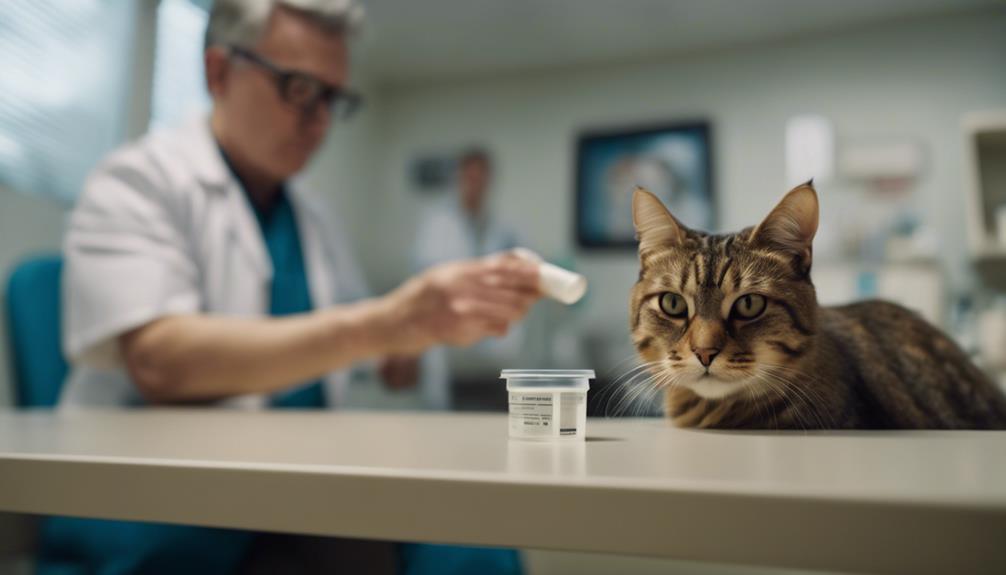
Seeking prompt veterinary care for cats exhibiting signs of abnormal urination patterns is essential to promptly identify and address potential underlying health issues.
- Bringing a urine sample to the vet appointment aids in diagnosis.
- Physical exams and urine sample analysis help diagnose issues.
- Information on diet and symptoms assists in treatment.
- Immediate attention is vital for male cats in urinary emergencies.