
Your cat might bite your chin to show affection, engage in allogrooming behavior, or enhance your bond. Petting-induced aggression, boredom, or stress could also be underlying reasons. Respond calmly to such behavior, use positive redirection, and monitor for signs of stress or illness. Understanding cat communication and differentiating between love bites and aggressive bites can help build a positive relationship. Providing enrichment activities and seeking professional advice when needed are essential. By comprehending these aspects, you can strengthen your bond with your feline companion. Understanding the nuances of your cat's behavior can lead to a harmonious relationship.
Signs of Affection Through Chin Biting
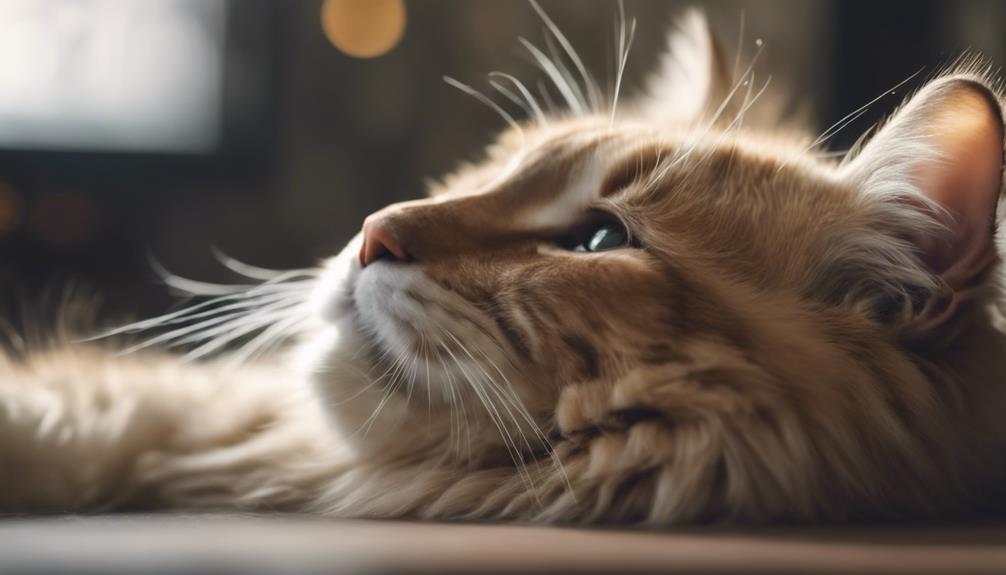
Chin biting in cats serves as a distinctive form of allogrooming, symbolizing profound affection and attachment between felines and their human companions.
When a cat gently bites your chin, it's displaying caregiving behavior and acceptance.
This act of allogrooming signifies equality and closeness in the feline-human relationship, enhancing the bond.
Understanding chin biting as a positive behavior strengthens the connection between you and your cat.
Petting-Induced Aggression Behavior
When interacting with cats, it is important to recognize and understand the phenomenon of petting-induced aggression behavior. This behavior can lead to unexpected biting incidents during petting sessions. Signs of aggression, like tail twitching or skin rippling, indicate a cat may be reaching its petting limit.
Stop Your Cat by respecting their boundaries and understanding their sensitivity to petting. Excessive contact can trigger petting-induced aggression in some felines.
Boredom and Over-Stimulation Effects

Understanding the factors that contribute to feline behavior, such as boredom and over-stimulation, sheds light on the reasons behind chin biting in cats. When cats lack mental or physical stimulation, they may resort to nibbling on chins. Providing appropriate toys and play activities can help redirect this behavior.
Over-arousal in cats can lead to playful nibbling, which may escalate if not managed, emphasizing the need to understand your cat's preferences and limits.
Stress or Illness Indicators
Stress or illness indicators in cats can manifest as aggression, potentially leading to chin biting behavior. Cats with hyperesthesia syndrome may exhibit such behavior due to pain sensitivity. Recognizing signs of illness, like skin rippling, is important.
High stress levels can contribute to aggression, requiring a calm environment and reduced attention. If a cat bites your chin persistently, consulting a vet for a thorough evaluation is vital to guarantee their well-being.
Proper Response to Chin Biting
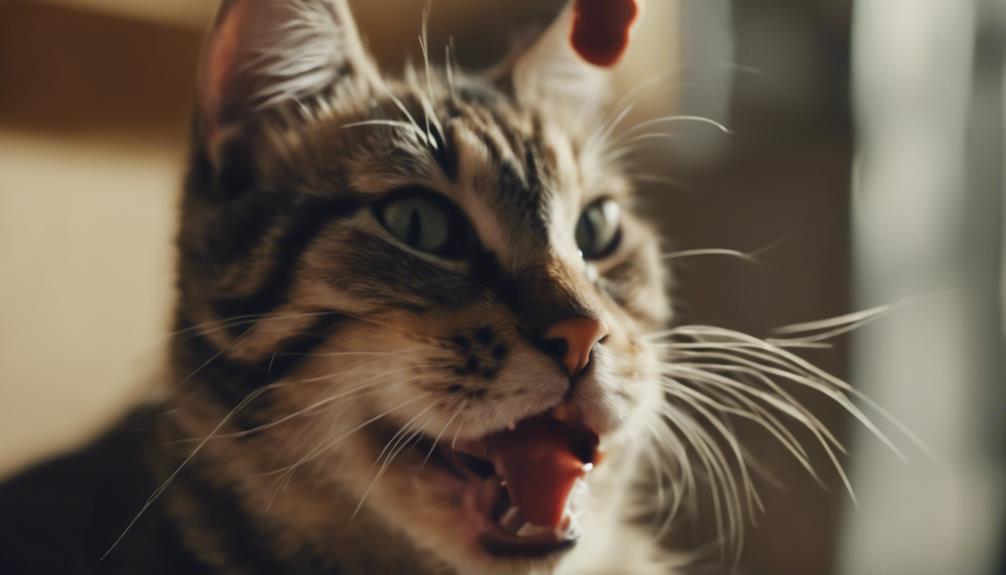
In addressing chin biting behavior in cats, it is essential to respond calmly and redirect their attention positively. To prevent your cat from biting, use positive reinforcement techniques like rewarding good behavior. Here is a table summarizing the proper response to chin biting:
| Response | Description |
|---|---|
| Stay calm | Avoid reacting aggressively. |
| Redirect attention | Guide your cat to toys or a scratching post. |
| Use positive reinforcement | Reward good behavior with treats or praise. |
Avoiding Punishment for Cat Behavior
Using punishment as a method to correct cat behavior, especially biting, can have negative consequences and is not recommended by animal behavior experts. Positive reinforcement is more effective in training cats.
Redirecting behavior and providing outlets for natural instincts are essential. Understanding the reasons behind the behavior helps address it effectively without punishment.
Cats may not comprehend punishment as humans do, potentially harming the human-animal bond.
Providing Space for Your Cat
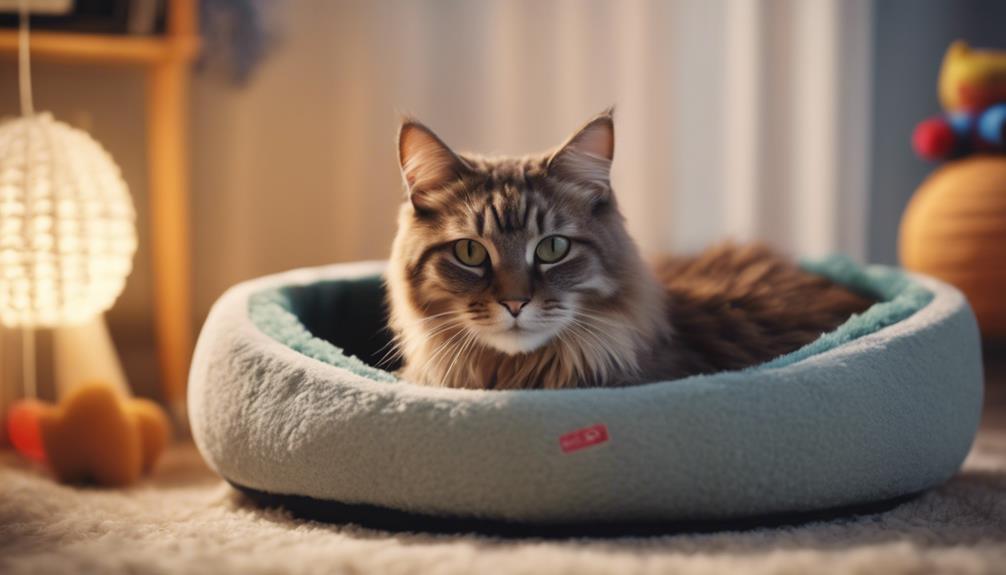
Understanding your cat's need for personal space is key to fostering a healthy and harmonious relationship with your feline companion. Cats use body language to express their desire for privacy.
Biting your chin might be a sign of affection, but it can also indicate a need for space. Respecting your cat's privacy policy is essential for their well-being and can help decipher how your cat is feeling in different situations.
Redirection and Enrichment Activities
Redirection and enrichment activities are essential in curbing chin-biting behavior in cats.
Interactive toys offer a positive outlet for their energy, while behavior modification techniques can help in establishing desired interaction patterns.
Interactive Toy Options
Interactive toy options can effectively redirect a cat's biting behavior towards appropriate play activities. Feather wands and laser pointers are great choices for this purpose. Puzzle feeders and treat balls offer mental stimulation, reducing the likelihood of chin biting.
Catnip-filled toys engage cats positively, while rotating toy options prevent boredom. Providing a variety of interactive toys mimics natural hunting behaviors, keeping cats entertained and less likely to bite chins.
Behavior Modification Techniques
To effectively address your cat's chin-biting behavior, implementing behavior modification techniques that focus on redirection and enrichment activities is essential.
- Redirection techniques involve diverting your cat's attention from biting your chin to appropriate toys or activities.
- Enrichment activities like puzzle feeders and interactive toys can help satisfy your cat's need for mental stimulation and prevent chin biting.
- Providing a variety of toys and rotating them regularly can keep your cat engaged and reduce the likelihood of them biting your chin.
- Positive reinforcement, such as rewarding good behavior with treats or praise, can help reinforce alternative behaviors to chin biting.
Monitoring Behavioral and Medical Issues
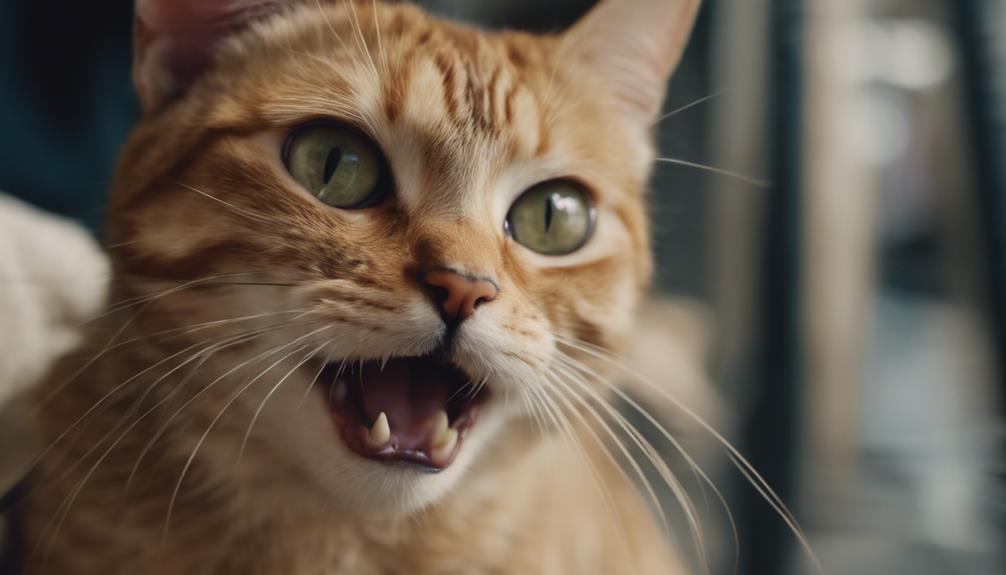
Monitoring a cat's behavior and health is essential in understanding why they may bite chins. By observing cues like body language and signs of overstimulation, owners can identify triggers and prevent aggressive behavior.
Regular veterinary check-ups are vital to rule out any underlying medical issues that could contribute to chin biting.
Behavior Vs. Health
Observing behavioral cues and considering potential medical issues are essential steps in determining the reasons behind cats biting chins. This behavior may stem from a mix of instinct, communication, or discomfort, underscoring the need to evaluate the context of the biting closely. Interestingly, the reasons cats enjoy chin scratches often align with their sensitivity and the concentration of scent glands in this area, making it a satisfying experience for many felines. By paying attention to these factors, owners can better interpret their cat’s actions and address any underlying needs or triggers.
- Monitoring cat behavior like body language, ear position, and tail movements.
- Checking for health issues such as dental problems, skin infections, or allergies.
- Identifying behavioral triggers like stress, anxiety, or past negative experiences.
- Seeking veterinary consultation to differentiate between behavioral and health-related causes.
Observation and Analysis
When evaluating cats for potential reasons behind chin biting behavior, a thorough examination of both behavioral cues and medical conditions is essential. Signs that your cat may be distressed include raised fur, twitching tail, folded ears, and dilated pupils. Hyperesthesia syndrome, characterized by skin rippling and excessive biting, requires professional advice. Monitoring body language and seeking veterinary guidance can help address underlying issues contributing to chin biting.
| Signs of Distress | Hyperesthesia Syndrome | Seeking Professional Advice |
|---|---|---|
| Raised fur | Skin rippling | Behavioral patterns |
| Twitching tail | Excessive biting | Medical consultation |
| Folded ears |
Seeking Veterinary Guidance
Seeking veterinary guidance is essential for addressing behavioral and medical issues related to cats biting chins.
- Monitoring behavioral changes such as signs of aggression or stress.
- Observing for signs of pain or discomfort during chin biting incidents.
- Consulting a veterinarian to rule out underlying medical issues.
- Conducting a behavioral assessment to determine emotional factors contributing to the behavior.
Understanding Cat Love Bites
Cat love bites are gentle and affectionate gestures commonly displayed by feline companions. They signify a bond between cats and their owners, resembling grooming behavior at first and progressing into gentle nibbles as an expression of love. Cats exhibit relaxed body language during love bites, differentiating them from aggressive bites. Understanding your cat's communication through love bites is essential for nurturing a positive relationship.