
Cats roll on their backs for various reasons. Some breeds have genetic tendencies for this behavior. Female cats may roll during heat to attract mates. Territorial marking and communication can also lead to back rolling. It can be a playful act, showing joy and a desire for engagement. Cats seek attention and initiate play by rolling. Understanding these behaviors gives insight into cats' instincts and preferences.
Genetic Predisposition
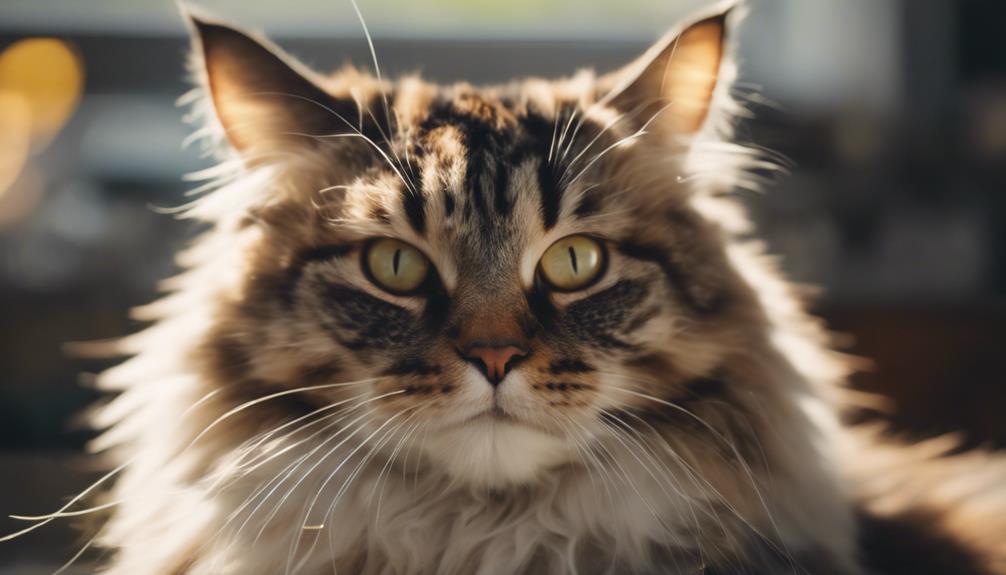
Certain cat breeds exhibit a genetic predisposition towards rolling around on their backs more frequently than others. Breeds like Scottish Folds and Ragdolls may display a higher tendency for this behavior due to their genetic makeup.
Understanding these breed characteristics can help explain why some cats are more inclined to engage in rolling behaviors. Genetic factors play a significant role in a cat's comfort level and preference for such actions.
Heat or Mating Behavior
Female cats exhibit unique behaviors during heat or mating, influenced by hormonal changes that drive them to roll around more frequently.
This rolling behavior serves multiple purposes, such as removing scents of other cats to attract a potential mate and spreading their own scent to signal readiness for mating.
Understanding these instinctual behaviors sheds light on the fascinating ways in which cats communicate their reproductive status through physical displays.
Mating Display Behavior
During mating display behavior, female cats exhibit a distinct rolling action on their backs, signaling their readiness for mating or attracting potential mates.
This rolling behavior is driven by hormonal changes during heat or after mating, allowing female cats to spread their scent and remove the scents of other cats during mating rituals.
The act of rolling can play a vital role in the mating process by communicating their receptiveness to potential mates.
Seeking Attention or Comfort
Seeking attention or comfort, especially during heat cycles or after mating, cats may exhibit increased rolling behavior as a way to communicate their need for affection and tactile stimulation.
- Cats may roll around on their backs to seek attention from their owners or other pets.
- Female cats in heat or after mating may exhibit increased rolling behavior.
- Rolling can be a way for cats to communicate their need for comfort and affection.
- Hormonal changes during mating or heat cycles can influence a cat's rolling behavior.
- Rolling on their backs may be a pleasurable activity for cats seeking tactile stimulation.
Territorial Marking
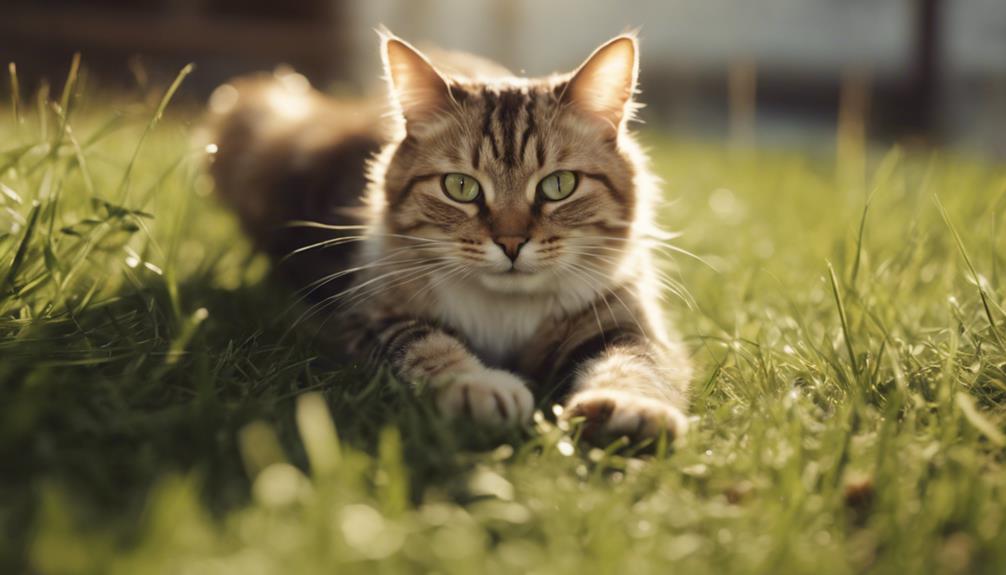
Cats engage in territorial marking through rolling on their backs to strategically distribute their scent using specialized glands. This behavior allows them to communicate ownership and dominance within their environment.
By spreading their unique scent through rubbing their head and cheeks, cats establish boundaries and deter rival cats from invading their space.
Understanding this natural behavior sheds light on a cat's need for security and territorial control.
Playfulness and Fun
Rolling around on their back is not only a playful behavior for cats but also serves as a means for them to engage in fun activities and interact with their environment.
- Cats enjoy playfulness through rolling on their back.
- Rolling indicates a cat's desire for fun.
- It's a way for cats to show their playful side.
- Playful rolling can be a form of exercise.
- Cats express joy and enthusiasm through back rolling.
Seeking Interaction
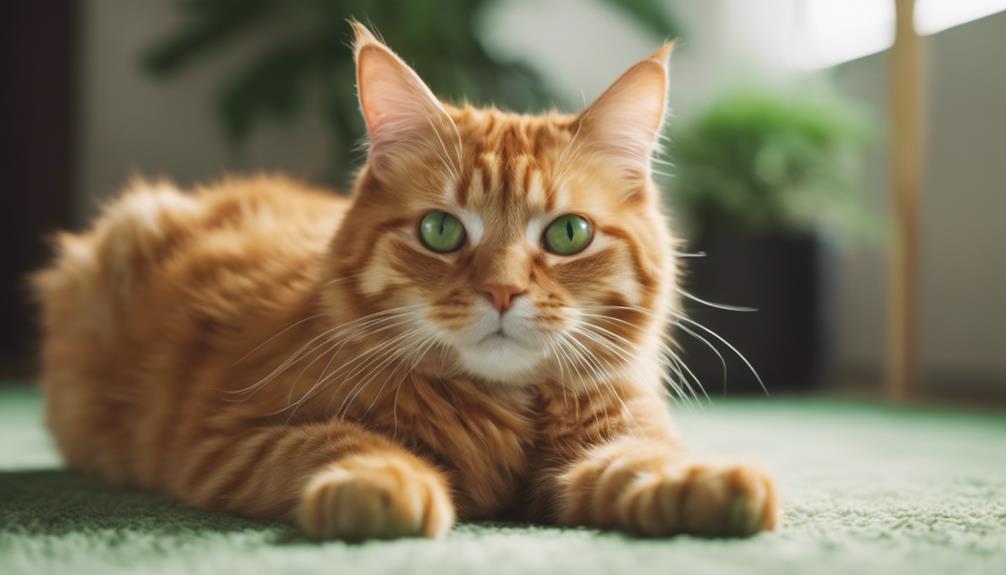
To express their desire for engagement, cats often exhibit a behavior that signifies a yearning for interaction and connection with their human companions or fellow animals.
When a cat rolls around on their back, it can be a way of seeking attention and initiating play.
This behavior may invite belly rubs or playful interactions, showing trust, affection, and a desire for social engagement through typical cat behavior.
Environmental Response
When cats roll around on their backs, they are often responding to various environmental cues.
This behavior can be a display of their natural instincts, a way to seek physical comfort, or a method of behavioral communication.
Understanding these points can shed light on why cats exhibit such actions in different situations.
Natural Instincts Displayed
Cats exhibit their natural instincts through a variety of behaviors, including rolling around on their backs as an environmental response.
- Cats roll on their backs to cool off and regulate body temperature.
- Rolling behavior helps cats mark their territory through scent glands.
- It displays trust and submission to owners or other animals.
- Rolling is a playful way for cats to stretch and move.
- It is a natural form of communication within their social group.
Physical Comfort Seeking
In exploring the behavior of cats rolling around on their backs, an intriguing aspect to ponder is their inclination towards seeking physical comfort in response to environmental cues. Some experts believe that cats roll on their backs as a way to stretch their muscles and release tension, similar to how humans might do yoga or Pilates. It’s also possible that by exposing their belly, cats are showing trust and vulnerability towards their owners. This behavior may also be linked to why cats walk in circles, as they seek to establish their comfort and security in a particular spot before settling down.
Cats roll on their backs to regulate body temperature, alleviate itching or discomfort, and mark territory with scent glands.
This behavior is a natural response for cats to adapt and respond to their surroundings for physical well-being.
Behavioral Communication Method
Rolling around on their backs is a significant behavioral communication method for cats to interact with their environment through scent glands.
- Cats roll to mark territory and establish dominance.
- It shows trust or submission to other animals.
- Rolling can help cats cool off or stretch.
- The behavior is a playful and engaging activity for cats.
Medical and Illness Indicators
Instances of excessive rolling behaviors in cats can serve as crucial indicators of underlying medical issues, particularly when observed alongside additional concerning behaviors such as yowling, bleeding, or straining in the litter box.
Loss of appetite, constipation, changes in urination patterns, nerve damage, or pruritus can lead to increased rolling, suggesting pain or itchiness requiring veterinary attention.
Monitoring body language and seeking prompt veterinary care can help address potential health concerns.
Belly Rub Preferences
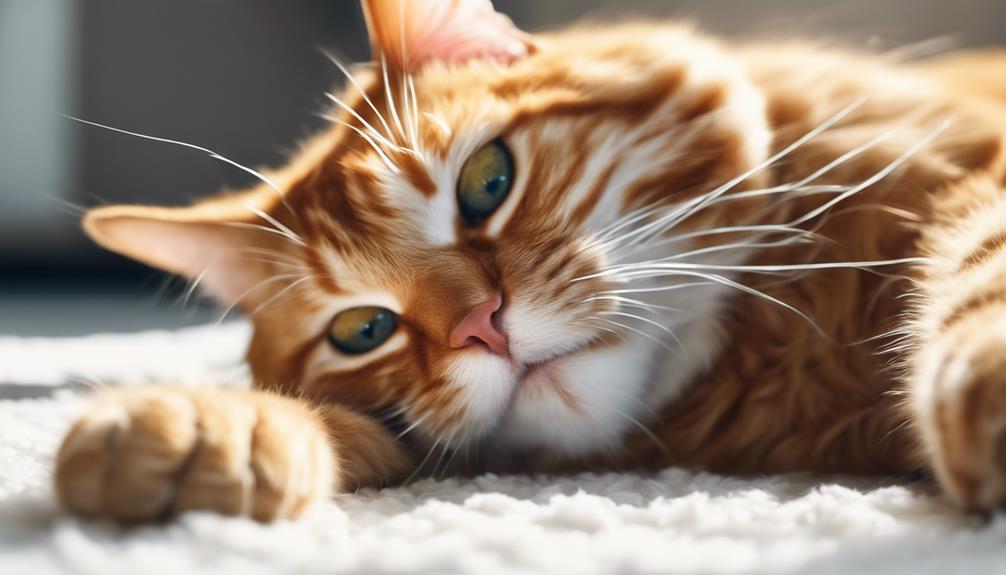
When observing cats rolling on their backs, it is important to recognize that their preference for belly rubs can vary considerably among individuals.
- Cats may enjoy belly rubs as a sign of trust and affection.
- Some cats prefer other forms of interaction, like playing with cat toys.
- Rolling over in front doesn't always mean they want belly rubs.
- Cats love feeling playful during such interactions.
- Understanding your cat's preferences is crucial for a harmonious relationship.