
A cat may run away due to stress, fear, illness, or mood changes. They might hide pain or injury by fleeing. Cats also escape social interactions or perceived threats. Understanding your cat's triggers, personality, and needs is important. Environmental stressors like loud noises can trigger this behavior. Providing a calm home environment with safe spaces helps alleviate stress. Past negative experiences can lead to trust issues, affecting their responses. Building trust through patience is essential. By considering these factors, you can better comprehend why your cat runs away. Further insights into cat behavior can shed light on this common issue.
Reasons for Cat's Flight Response

The flight response exhibited by cats can be attributed to various factors such as stress, fear, illness, and mood fluctuations. Cats may run away when in pain or injured, as they often conceal weakness. Additionally, they might flee to manage social situations or when not inclined to interact.
Understanding a cat's personality, stress triggers, and preferences can shed light on their tendency to escape. Veterinary intervention is crucial for addressing stress, fear, or illness-related flight behaviors.
Impact of Mood and Environment
Cats' behavior can be greatly influenced by their mood, as they require moments of solitude to unwind and recharge. Additionally, environmental stressors like loud noises or changes in their living environment can trigger a flight response in cats.
Providing a calm and secure home environment with quiet spaces and familiar hiding spots can help alleviate stress and prevent cats from running away.
Mood Influences Cat Behavior
Influenced by various factors, including cats' mood and changes in the environment, cat behavior in social interactions can vary greatly. Cats may seek solitude or playfulness, impacting their willingness to engage.
Understanding a cat's mood and providing a suitable environment can prevent running away behavior. Mood fluctuations in cats can affect their desire for playtime and social interaction with their owners.
Environmental Factors Affect Cats
Sensitivity to environmental stimuli greatly influences the behavior and mood of cats, underscoring the importance of creating a tranquil living space for these feline companions. Cats need quiet spaces due to sensitivity to loud noises, making a peaceful environment essential.
Changes like adding new pets or babies can stress cats, while alterations in litter box setup can also cause environmental stress. Providing multiple hiding spots in a cat-friendly home can help reduce these stressors.
Role of Past Experiences

Past experiences greatly influence a cat's behavior. Trust issues often stem from negative interactions with humans in the past. A cat that has experienced fear or abuse may be wary of unfamiliar individuals and exhibit avoidance behaviors.
Understanding a cat's past can help in providing the necessary care, patience, and reassurance to help them overcome their trauma and build positive relationships.
Trust Issues From Past
Traumatic experiences, such as abuse or neglect, can greatly impact a cat's ability to trust, leading to enduring repercussions in their behavior and interactions. Rebuilding trust post-trauma demands patience, understanding, and consistent positive interactions. Cats may exhibit avoidance behaviors or fear responses due to unresolved past traumas. Providing a safe and nurturing environment can help cats overcome trust issues from past experiences.
| Key Point | Explanation |
|---|---|
| Impact of Trauma | Past abuse or neglect can hinder a cat's trust, resulting in negative reactions and behavior. |
| Rebuilding Trust | Patience, understanding, and consistent interactions are essential for rebuilding trust post-trauma. |
| Safe Environment | A safe and nurturing environment plays a significant role in helping cats overcome past trust issues. |
Fear of Unfamiliar Humans
When considering a cat's fear of unfamiliar humans, it is essential to recognize the profound impact of past negative experiences on their behavior and interactions.
Traumatic experiences, negative interactions, and past events shape a cat's response to new individuals.
Building trust with a fearful cat requires patience, compassion, and understanding.
Comfort and reassurance are crucial in helping cats overcome their fear of unfamiliar humans based on past experiences.
Negative Human Interactions
Understanding the impact of negative human interactions on cats requires a nuanced exploration of their past experiences and how these shape their behavior towards people. Cats may exhibit fear and avoidance due to past trauma, neglect, or mistreatment.
Rebuilding trust demands patience, compassion, and consistent positive reinforcement. Addressing behavior issues stemming from negative interactions is vital for improving the cat's quality of life.
Importance of Building Trust
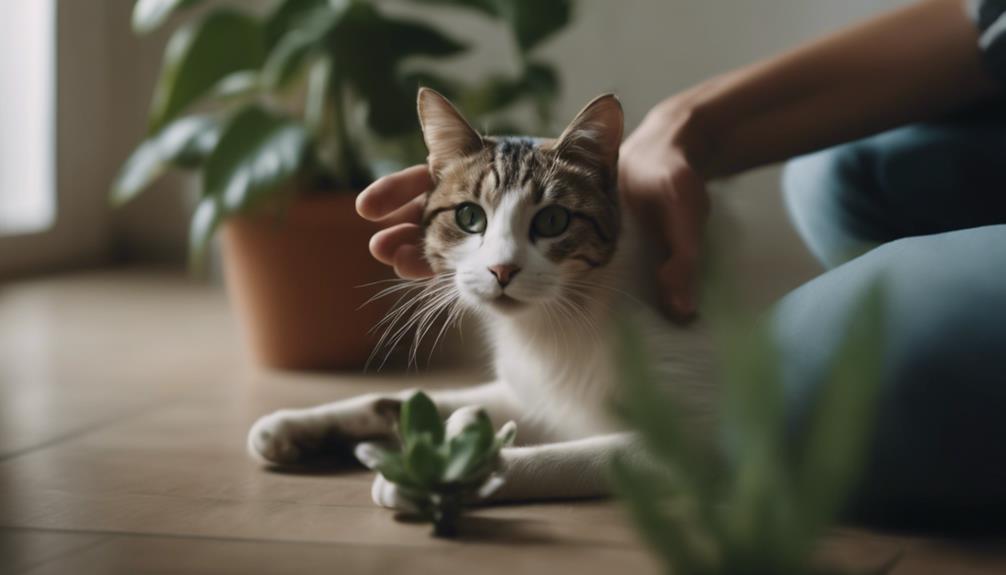
Building trust with your cat is fundamental for fostering a strong bond and promoting positive interactions. Trust allows cats to feel safe and secure, requiring patience and respect for their boundaries and preferences.
Activities like using treats and toys can aid in trust-building, leading to a healthy relationship built on understanding and companionship. Trust is the cornerstone of a fulfilling connection with your feline companion.
Creating a Cat-Friendly Space
To cultivate a welcoming environment for your cat, creating a space that caters to their natural instincts and preferences is key.
Providing multiple hiding spots and perches can reduce stress and anxiety, promoting relaxation.
Consistency in routine, easy access to essentials like food and water, and using pheromone diffusers for a calming atmosphere are essential elements of a cat-friendly space that can help prevent your cat from running away.
Understanding Your Cat's Needs
Cats’ behavior often reflects their unique individual needs and preferences, requiring owners to be attentive. Understanding stress, fear, and social interaction is essential. Apart from monitoring their needs and preferences, it is also important for cat owners to recognize the signs of stress or fear in their pets. Cats may exhibit aggressive behavior, such as attacks, when they are feeling overwhelmed or threatened. By understanding the reasons behind cat attacks, owners can better address their cat’s underlying issues and provide a safe and comfortable environment for them. Being observant and proactive in meeting their cat’s needs is crucial for fostering a healthy and positive relationship with their pet.
Providing a safe environment with hiding spots and elevated resting places can help. Consistent routines and positive reinforcement, such as treats and playtime, can strengthen the bond with your cat.
Being mindful of individual cat preferences is key to preventing running away behavior.