
Cats often sit by the door because of their natural curiosity and need for physical and mental stimulation. They are drawn to the sights, sounds, and smells of the outside world, fulfilling their instincts for hunting and territorial behavior. Some cats seek attention and social interaction by positioning themselves near the door, showcasing their need for companionship within the household. This behavior can also indicate stress or anxiety, with cats using the door as a potential escape route. Monitoring the outside environment and engaging in territory marking are other reasons why cats may habitually sit by the door. Understanding these behaviors can offer insights into your cat's needs.
Desire for Outdoor Exploration
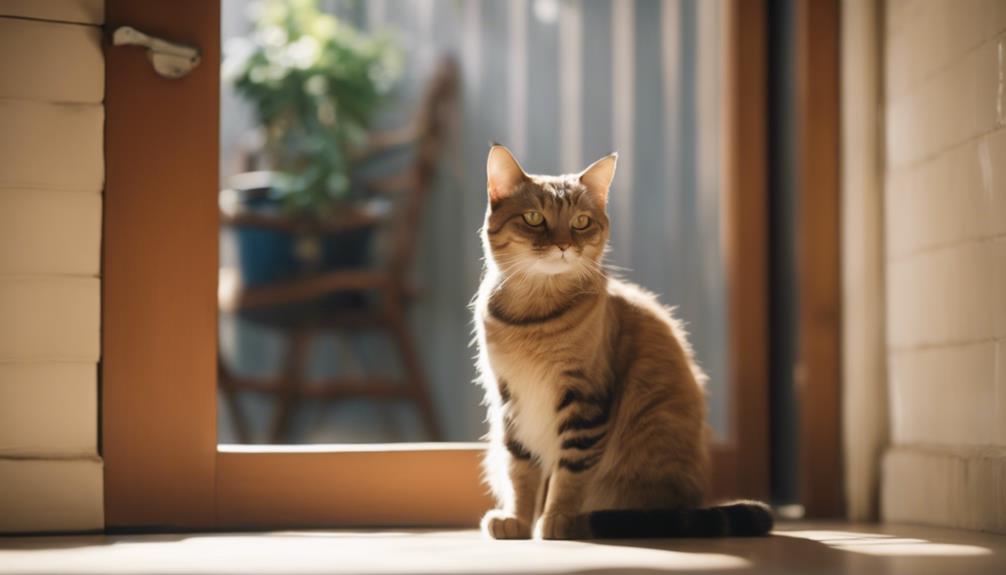
Cats often exhibit a strong inclination towards outdoor exploration, as evidenced by their tendency to sit by the door. Their desire to go outside stems from a natural curiosity and the need for mental and physical engagement.
Cats are drawn to the sights, sounds, and smells of the outside world, fulfilling their instincts for hunting and territorial behavior. Providing safe outdoor experiences or enriching the indoor environment can help satisfy their longing for exploration.
Seeking Attention or Interaction
When cats position themselves near the door, it may indicate a yearning for social interaction and companionship with their household members. Seeking attention by the door is a common behavior in social and affectionate cats.
They may sit there to engage with their owners, communicate their desire for companionship, or seek playtime near the entrance. This behavior showcases their need for interaction and connection within the household.
Expression of Anxiety or Stress
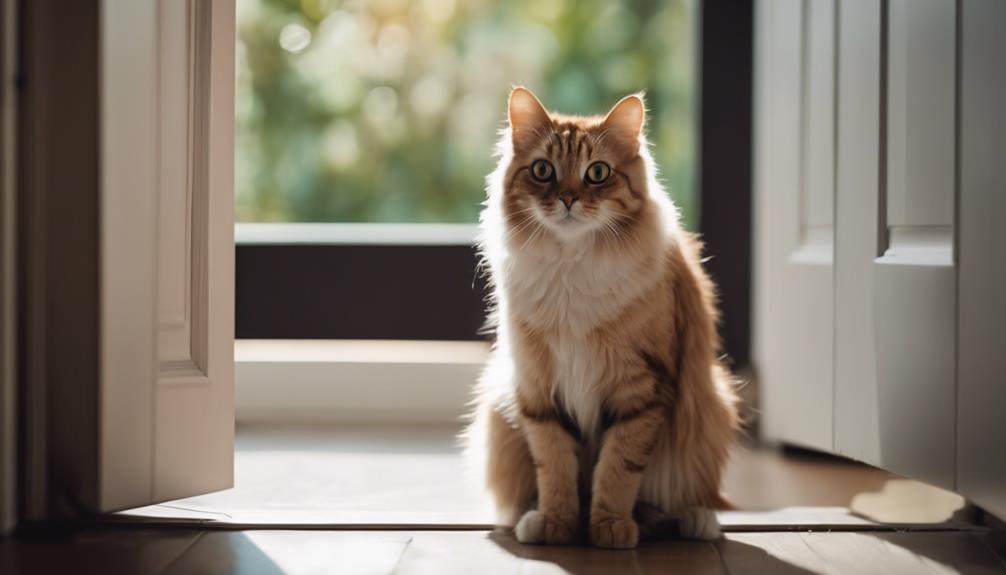
Cats sitting by the door might be displaying signs of stress or anxiety, which can be triggered by changes in their environment. Seeking an escape route near the door could be a way for them to cope with these feelings of unease.
Understanding these behavioral cues can help cat owners provide appropriate support and create a safe and calming environment for their feline companions.
Signs of Stress
Exhibiting various behaviors such as excessive grooming, hiding, changes in appetite, and aggression towards humans or other pets, cats often display signs of stress which can be indicative of underlying anxiety or discomfort.
Stress in cats can be triggered by factors like separation anxiety or environmental changes.
Recognizing these signs is vital for cat owners to address their pets' well-being promptly and appropriately.
Seeking Escape Route
In response to underlying anxiety or stress, cats may often be observed strategically positioning themselves by the door as a means of seeking an escape route. Wanting to go out can be a sign that the cat is feeling uncomfortable or stressed in its current surroundings.
Changes, loud noises, or unfamiliar stimuli can trigger this behavior. Addressing the root causes of anxiety is vital to help the cat feel secure and content indoors.
Habitual Behavior Near Entryways
Positioned strategically near entryways, feline companions often exhibit intriguing behaviors that offer insight into their daily routines and preferences. Cats sitting by the door may be engaging in territory marking, expressing a desire for exploration, or monitoring household activities for security.
This habit could also indicate a need for attention, and they may react to outside sounds or movements while stationed near the door.
Monitoring the Environment Outside
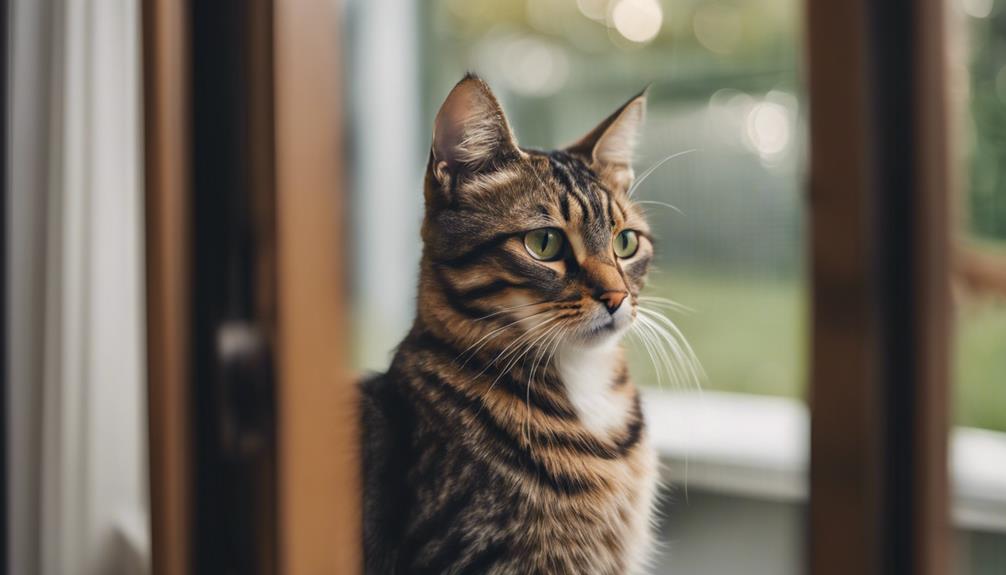
Cats near entryways often exhibit a behavior that involves monitoring the environment outside for potential threats or prey. This behavior allows them to stay alert and aware of any changes in their surroundings.
By observing outdoor activities from a safe vantage point, cats can satisfy their curiosity and maintain territorial awareness.
Sitting by the door is a natural instinctual behavior for cats, helping them assess potential intrusions and survey their territory effectively.
Communicating Need for Stimulation
Cats sitting by the door may be signaling their need for stimulation or activity. This behavior could indicate a desire for attention, play, or interaction.
When a cat sits by the door, it might be expressing boredom or restlessness, seeking engagement or new experiences.
Seeking Attention Through Behavior
When cats sit by the door, they may be subtly communicating their need for attention and stimulation. This behavior indicates a desire for interaction with their cat owners and engagement with their surroundings.
Expressing Boredom or Restlessness
Indicative of potential boredom or restlessness, a cat sitting by the door often communicates its need for stimulation and engagement. To address this behavior effectively, consider the following:
- Provide interactive toys to keep the cat mentally engaged.
- Engage in regular play sessions or use puzzle feeders for mental stimulation.
- Enhance the environment with climbing structures or window perches to offer new experiences.
Sign of Feline Curiosity
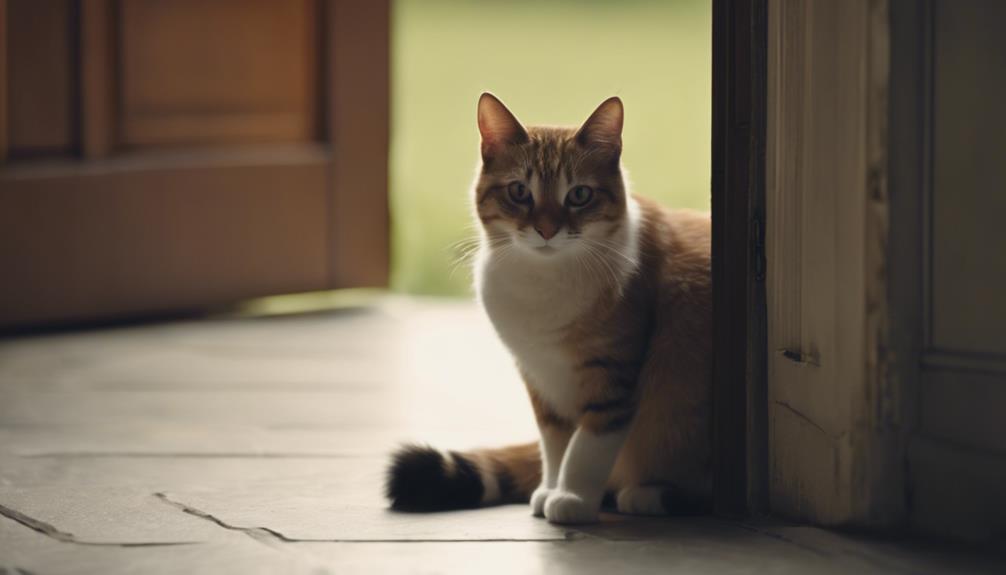
A feline's proximity to the door often signifies an innate sense of inquisitiveness towards the external environment. Cats sitting by the door may indicate their curiosity about the world outside, showing an interest in monitoring household activities or responding to outside sounds and movements.
This behavior reflects their natural instinct to explore and engage with new stimuli, highlighting their desire to understand and interact with their surroundings.
Desire for Social Engagement
Evidently, cats sitting by the door often convey a strong yearning for social engagement and connection with their human companions. This behavior indicates their desire for human companionship and interaction.
Reasons why cats exhibit this behavior include seeking attention, playtime, or simply wanting to be close to their owners. By sitting in front of the door, they communicate their need for social interaction and affection. Some cats may also walk on their owners as a way to mark their territory or to show their dominance. This behavior is often seen in cats who are feeling confident and secure. Additionally, by walking on their owners, cats may also be seeking warmth or simply enjoying the sensation of being close to their human companions. Overall, there are a variety of reasons cats walk on owners, and it can be a natural and loving behavior.