
Cat diarrhea can occur suddenly due to dietary changes, stress, parasites, infections, or underlying medical issues. Factors like new foods, stress triggers, or infections like roundworms can upset your cat's digestion. Health conditions such as inflammatory bowel disease or hyperthyroidism could also be underlying causes. To manage cat diarrhea effectively, focus on gradual diet changes, consistent hydration, and veterinary guidance for a bland diet. Monitor litter box habits closely and avoid giving unauthorized medications. Understanding these triggers and maintaining a structured approach to care can help address your cat's sudden diarrhea effectively.
Possible Dietary Triggers for Cat Diarrhea
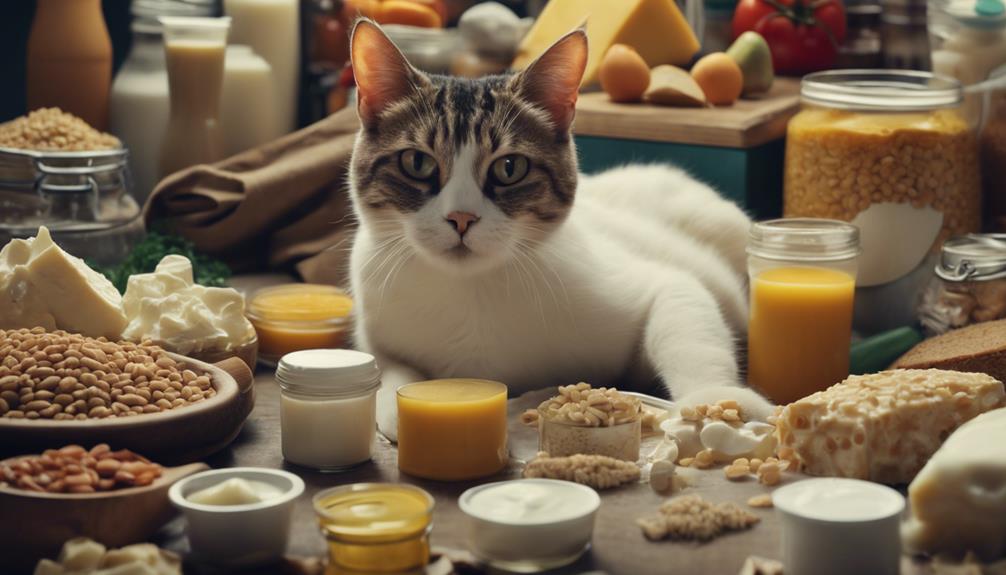
Introducing new foods or treats to a cat's diet can potentially trigger episodes of diarrhea. Additionally, table scraps or human foods unsuitable for cats may lead to digestive issues. Cats can also experience diarrhea due to allergies or intolerances to specific ingredients.
Ingesting toxic plants or sudden changes in feeding schedule and portion sizes can contribute to acute diarrhea. Understanding these triggers is essential for maintaining a cat's digestive health.
Impact of Stress on Cat's Digestive System
Changes in a cat's environment or routine can greatly impact its digestive system, potentially leading to stress-induced diarrhea.
- Stress disrupts gut motility.
- Hormones affect digestive secretions.
- Anxiety and fear can trigger diarrhea.
- Environmental enrichment and routine management help alleviate stress-induced diarrhea.
Common Parasites Causing Cat Diarrhea

Common parasites, such as roundworms, hookworms, tapeworms, and coccidia, are known to cause diarrhea in cats due to their irritating effects on the gastrointestinal tract. Symptoms may include vomiting and weight loss.
Routine deworming and hygiene practices can prevent these parasitic infections. Veterinary fecal testing is essential for accurate diagnosis and timely treatment, which can alleviate diarrhea and enhance the overall health of affected cats.
Infections and Cat Diarrhea
Infections, whether viral, bacterial, or parasitic, can be significant contributors to the onset of diarrhea in cats, posing a threat to their gastrointestinal health. Some common infections that can lead to cat diarrhea causes include feline pancreatitis or infections caused by bacteria such as salmonella and campylobacter. Additionally, parasites such as giardia and cryptosporidium can also contribute to diarrhea in cats. It is important for cat owners to recognize the symptoms of diarrhea and seek veterinary care promptly to address the underlying cause of their pet’s gastrointestinal distress.
- Common pathogens like feline panleukopenia virus or Salmonella can result in gastrointestinal issues.
- Intestinal parasites like Giardia or roundworms can also infect cats and cause diarrhea.
- Infections in cats can be transmitted through contaminated food, water, or contact with infected animals.
- Prompt veterinary diagnosis and treatment are essential to address infections causing diarrhea in cats.
Underlying Medical Conditions in Cats

Underlying medical conditions in cats can often be the key cause of sudden diarrhea episodes, necessitating thorough examination and targeted treatment by veterinary professionals. Conditions such as inflammatory bowel disease, pancreatitis, hyperthyroidism, kidney disease, liver disease, cancer, food allergies, stress-related conditions, and parasitic infections can all lead to acute diarrhea in cats.
Identifying the specific condition is essential for proper management and improvement of the cat's health.
Effective Management Tips for Cat Diarrhea
Effective management of cat diarrhea involves several key strategies:
- Carefully shifting your cat to a new diet.
- Ensuring consistent hydration with fresh water.
- Seeking veterinary advice for a suitable bland diet.
Monitoring your cat's litter box habits and stool consistency can help track progress. Avoiding unauthorized medications is vital to prevent exacerbation of the issue or masking underlying conditions.
Diet Changes Impact
Shifting your cat's diet gradually can play an essential role in managing and preventing diarrhea episodes effectively.
- Sudden diet changes disrupt digestion.
- Abrupt food switches trigger gastrointestinal upset.
- Slow changes help prevent diarrhea.
- Cats may have food intolerances causing digestive disturbances.
Hydration Crucial Role
Adequate hydration plays an important role in effectively managing cat diarrhea and preventing dehydration.
Offer water frequently to keep your cat hydrated during episodes of diarrhea. If your cat is not drinking, consider using a syringe or dropper.
Severe dehydration may require electrolyte replenishment. Consult your veterinarian for specific advice on managing hydration during cat diarrhea to safeguard your cat's well-being.
Vet Consultation Necessary
Seeking veterinary consultation promptly is essential for effectively managing cat diarrhea and ensuring your feline companion's well-being.
- Timely vet consultation is vital for identifying underlying health issues.
- Diarrhea may lead to dehydration and electrolyte imbalances.
- Veterinary care is needed for diagnostic tests and tailored treatment.
- Prompt consultation helps prevent complications and guarantees specific care for the cause.