
If your cat suddenly stops eating, various reasons might be responsible. Changes in environment, dental pain, taste aversions, or health issues such as cancer can lead to appetite loss. Dental diseases or digestive problems like pancreatitis could be causes. Medical conditions like pancreatitis may profoundly impact your cat's appetite. Offering wet food, maintaining clean bowls, and seeking veterinary help are important steps. Slight heat to meals and nutritional supplements can help. Veterinary assistance is essential for diagnosing and managing the underlying issues. Remember, prompt action is necessary for your cat's well-being.
Possible Environmental Triggers for Appetite Loss
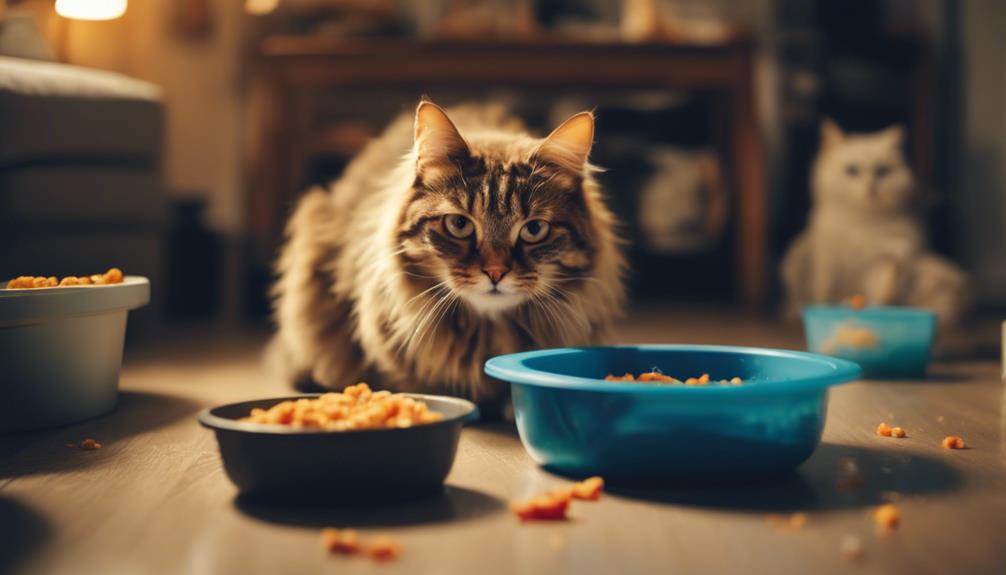
Environmental stressors can greatly impact a cat's appetite, leading to potential disruptions in their eating habits. Changes in caretakers, moving to a new home, introducing a new pet, or altering furniture layout can all induce stress. Cats may stop eating due to dental pain, dislike of taste, or digestive issues like cancer or parasites.
Recognizing and addressing these triggers promptly is essential for maintaining a cat's well-being.
Dental and Digestive Health Concerns
Dental and digestive health concerns play a significant role in influencing a cat's appetite and overall well-being.
Dental diseases in older cats can lead to pain while eating, causing a sudden loss of appetite.
Additionally, digestive issues such as cancer, pancreatitis, and parasites can contribute to eating problems.
Monitoring for signs like abdominal pain, constipation, and vomiting is important for identifying potential digestive issues in cats.
Impact of Medical Conditions on Eating
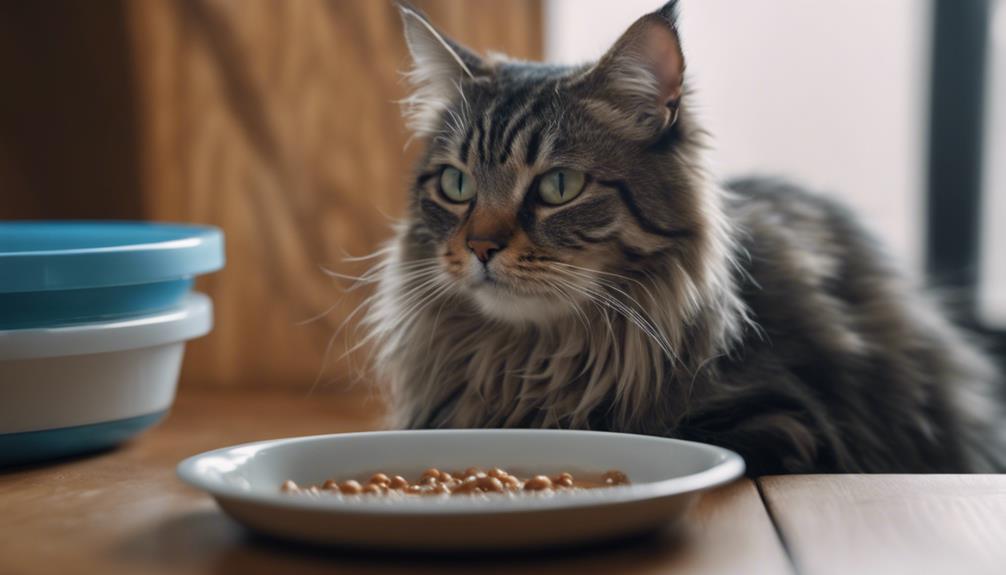
When considering a cat's eating habits, it is essential to acknowledge the profound impact that various medical conditions can have on their appetite and overall well-being. Issues such as pancreatitis, liver disease, and chronic pain can lead to a loss of appetite.
Cats with upper respiratory infections may also stop eating due to respiratory issues affecting their sense of smell. Prompt veterinary attention is vital for diagnosing underlying health issues that affect a cat’s appetite. Additionally, stress and anxiety can also cause a cat to lose their appetite. Cats are known to bury or hide their food as a natural behavior to protect and save it for later. This instinctual behavior is why cats bury food, and understanding this behavior can help pet owners better understand their cat’s eating habits. In some cases, offering smaller, more frequent meals and creating a calm and comforting environment can help stimulate a cat’s appetite.
Encouraging Eating Behavior in Cats
To promote healthy eating habits in cats, it is essential to employ strategies that appeal to their senses and overall well-being.
- Offer canned or wet food, as these options are often more enticing to cats.
- Use tuna juice to enhance the flavor of solid food and encourage eating.
- Maintain clean food and water bowls to guarantee a hygienic eating environment.
- Provide nutritional supplements as advised by a vet to support your cat's health.
- Warm the food slightly before serving to make it more appealing to your cat.
Seeking Veterinary Assistance and Care

Seeking professional veterinary assistance is vital for addressing and understanding the reasons behind your cat's sudden loss of appetite. Vets can provide medical advice, conduct tests to check the digestive tract, and diagnose any underlying health issues. Prompt intervention can help manage the situation effectively, ensuring your cat's health and well-being.
Regular check-ups with the vet are also essential for monitoring your cat's overall health and addressing any concerns promptly.