
When a cat keeps one eye closed, it may be due to conjunctivitis, trauma, foreign bodies, or uveitis. Conjunctivitis causes redness, swelling, and discharge, while trauma leads to discomfort. Corneal ulcers, foreign bodies, and uveitis can prompt eye closure. Cat eye injuries from scratches or accidents can also result in one eye being closed. Important symptoms include redness, swelling, and discharge for feline conjunctivitis. Immediate veterinary attention is essential for proper diagnosis and treatment. If your cat continues to display this behavior, it could signal an underlying issue that needs attention. Cat eye injuries from scratches or accidents can also result in one eye being closed, and if left untreated, they can lead to more serious issues. In addition to physical ailments, changes in cat sleeping habits, such as excessive or unusual tiredness, can also be a sign of eye discomfort and should be monitored closely. If you notice any changes in your cat’s behavior or appearance, it is important to seek veterinary care to ensure their overall health and well-being.
Possible Medical Causes for Cat's Closed Eye
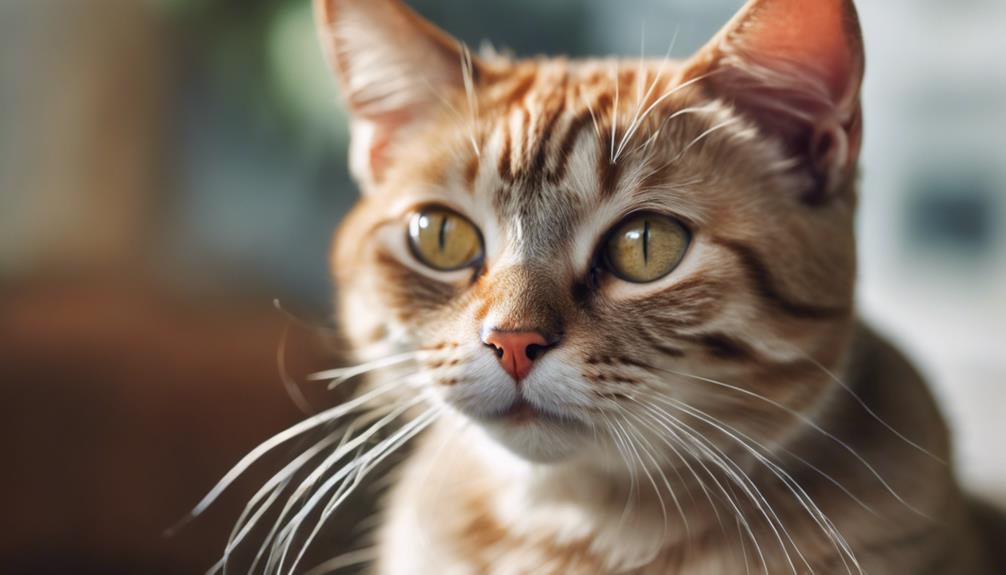
Conjunctivitis, trauma, corneal ulcers, foreign bodies, and uveitis are potential medical causes that can lead to a cat's closed eye.
Conjunctivitis, commonly known as pink eye, can result in redness, swelling, and discharge.
Trauma from accidents can lead to discomfort and swelling, causing a cat to close its eye.
Corneal ulcers can cause pain, while foreign bodies and uveitis can prompt a cat to keep its eye shut.
Understanding Cat Eye Injuries
Cat eye injuries can result from various factors such as scratches, foreign bodies, or trauma during play or fights. These injuries, like corneal ulcers or abrasions, can cause pain and discomfort, leading a cat to keep one eye closed.
Additionally, irritants like dust or debris can result in eye closure. Uveitis, an inflammation of the inner eye parts, can also lead to eye problems and the cat keeping one eye closed.
Identifying Feline Conjunctivitis Symptoms

Redness, swelling, and discharge in the affected eye are common indicators of feline conjunctivitis, necessitating prompt veterinary attention for appropriate diagnosis and treatment.
| Symptom | Description | Importance |
|---|---|---|
| Redness | Inflammation of the eye | Early detection |
| Swelling | Increase in eye size | Veterinary care |
| Discharge | Fluid coming from the eye | Treatment guidance |
Exploring Uveitis and Glaucoma in Cats
In felines, uveitis and glaucoma present as serious ocular conditions that demand immediate veterinary intervention to safeguard the cat's vision and overall eye health.
Uveitis involves inflammation of the eye's vascular layer, leading to redness and eye pain. Glaucoma, on the other hand, results from increased eye pressure and can cause discomfort, prompting the cat to keep one eye closed.
Prompt diagnosis and treatment are essential to prevent complications.
Dealing With Foreign Bodies in Cat Eyes
Foreign bodies in cat eyes, such as dust or debris, can lead to discomfort and redness.
Symptoms may include excessive tearing or squinting.
Seeking timely veterinary assistance is vital to safely remove foreign bodies and prevent complications.
Eye Irritation Causes
What are some common causes of eye irritation in cats, particularly related to the presence of foreign bodies? Foreign bodies like dust, debris, plant material, or litter can lead to redness and discomfort in a cat's eye. It is essential to contact your vet promptly for proper removal. Attempting to remove foreign bodies yourself can exacerbate the issue. Below is a table illustrating common foreign bodies causing eye irritation in cats:
| Foreign Body | Description | Risk Factors |
|---|---|---|
| Dust | Small particles that can enter the eye | Windy environments |
| Debris | Tiny fragments of materials | Outdoor activities |
| Plant Material | Pieces of plants or pollen | Exploring vegetation |
| Litter | Granules or particles from cat litter | Improper use of litter |
| Sand | Tiny grains that can irritate the eye | Sandbox play |
Symptoms of Foreign Bodies
Symptoms of foreign bodies in cat eyes often manifest as discomfort, irritation, and excessive tearing. Common foreign bodies like dust, debris, or plant material can cause cats to exhibit behaviors such as squinting, rubbing the eye, or excessive blinking.
If you notice your cat keeping one eye shut or displaying these symptoms, immediate veterinary care is essential to safely remove the foreign body and prevent potential complications.
Treatment Options Available
When faced with foreign bodies in a cat's eye, immediate veterinary intervention is essential to guarantee safe and effective removal and prevent potential complications. Common foreign bodies such as dust or debris can cause discomfort and pain. Below is a table illustrating treatment options for dealing with foreign bodies on the surface of the eye:
| Treatment Options | Description | Benefits |
|---|---|---|
| Veterinary Care | Professional removal | Safe and effective |
| Eye Flushing | Irrigate the eye | Removes small debris |
| Eye Examination | Assess damage | Prevents infections |
Behavioral Issues Impacting Cat Eyes
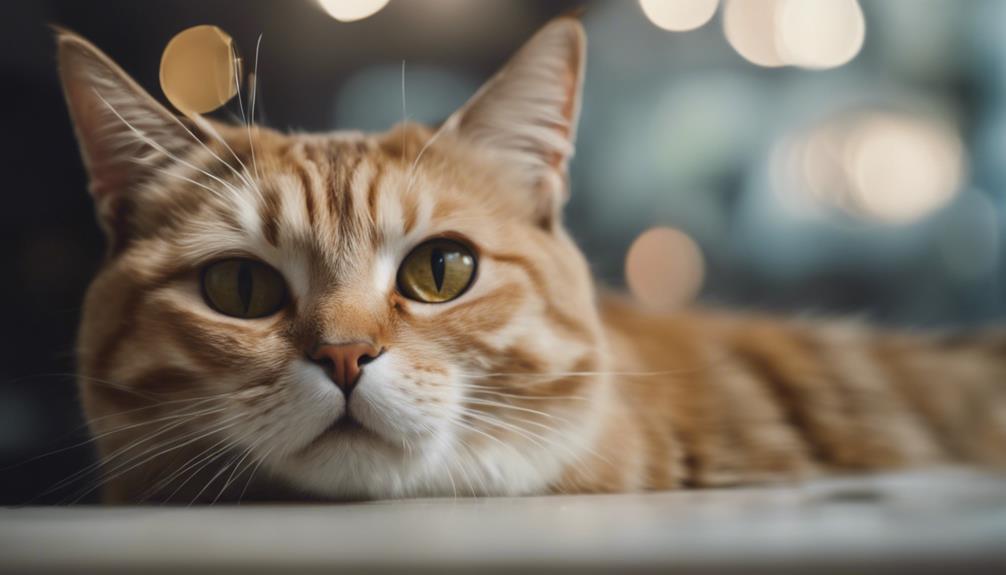
Behavioral influences can greatly impact a cat's eye expressions and movements.
- Cats may keep one eye closed as a sign of affection or trust.
- Slow blinking serves as a calming signal.
- Reasons for one eye closure include relaxation and communication.
- Differentiating between medical and behavioral causes is essential.
- Prolonged squinting warrants veterinary evaluation to rule out underlying health issues.
Tips for Cat Eye Health Maintenance
To maintain your cat's eye health, it's essential to regularly clean their eyes, watch for signs of infection like redness or discharge, and schedule routine vet check-ups for professional examinations. These simple practices can help prevent potential eye issues and guarantee your cat's eyes stay healthy and comfortable.
Providing a balanced diet and avoiding harsh chemicals near their eyes are also fundamental steps in maintaining ideal eye health for your feline friend.
Eye Cleaning Techniques
Utilize a gentle, damp cloth to delicately remove any discharge or dirt from your cat's eyes to maintain peak eye health.
- Avoid harsh chemicals: Use only water or specialized pet eye cleaners.
- Regular inspections: Check for redness, swelling, or unusual discharge.
- Balanced diet: Provide nutrients like Vitamin A and Taurine for eye health.
- Vet visits: Schedule routine check-ups for professional eye examinations.
- Gentle care: Handle your cat's eyes with care to prevent irritation.
Signs of Eye Infection
Cat eye health maintenance requires vigilant observation for signs of eye infection such as redness, swelling, and abnormal discharge. Monitoring your cat's eyes regularly can help detect issues early. Excessive tearing or squinting may indicate an underlying infection. Avoid using harsh chemicals near their eyes. Below is a table summarizing signs of eye infections in cats:
| Signs of Eye Infection |
|---|
| Redness |
| Swelling |
| Abnormal Discharge |
Regular Vet Check-ups
Ensuring consistent veterinary evaluations is essential for maintaining excellent eye health in felines.
- Schedule regular check-ups to monitor eye health.
- Allow veterinarians to spot and address any developing eye conditions.
- Early detection can prevent complications.
- Routine exams aid in accurate diagnosis of eye issues.
- Regular vet visits for eye check-ups are vital for keeping the eye healthy.
Home Remedies for Cat Eye Care
When caring for a cat's eyes at home, simple remedies can help maintain their ocular health.
Gently wiping away discharge with a clean, damp cloth is effective. Using a warm, moist compress can soothe redness from allergic reactions.
Natural saline solutions can rinse out irritants, and adding coconut oil to food promotes healthy lubrication.
Regularly checking for abnormalities guarantees early detection and prompt veterinary care.
When to Seek Veterinary Assistance
Seeking veterinary assistance promptly is essential if you notice your cat exhibiting signs of eye discomfort or keeping one eye closed.
- Signs of pain or discomfort in the eye warrant urgent evaluation by a vet.
- Timely intervention by a professional can prevent the condition from worsening.
- Eye issues in cats may require immediate attention and should not be ignored.
- Contacting a vet promptly is advised to address any concerns about your cat's eye health.
Treatment Options for Cat's Closed Eye
What are the most effective treatment options available for addressing a cat's closed eye? When dealing with a closed eye in cats, treatment varies depending on the underlying cause, such as conjunctivitis or trauma. Vet-prescribed eye drops or ointments are common for issues like pink eye. In more severe cases, surgery might be necessary to address tumors or growths affecting the eye. Regular follow-up appointments are essential for monitoring progress and adjusting treatment plans.
| Treatment Options | Description | Common Issues Addressed |
|---|---|---|
| Eye Drops | Medication for the eye | Conjunctivitis |
| Ointments | Eye treatment in ointment form | Pink eye |
| Surgery | Invasive procedure for severe cases | Tumors or growths |