
If your cat is suddenly peeing everywhere, there could be medical issues like urinary tract infections, diabetes, or kidney problems. Behavioral stressors, such as changes in routine or new surroundings, might also be causing this behavior. Environmental disruptions like loud noises can induce anxiety in cats. Proper litter box size, cleanliness, and placement are important. Senior cats may need low-sided boxes due to mobility issues. Consulting a veterinarian promptly is necessary for diagnosis and treatment. Addressing these factors is essential for your cat's well-being and a stable routine can help reduce stress-related behaviors. The underlying cause can be determined through proper evaluation.
Medical Issues to Consider
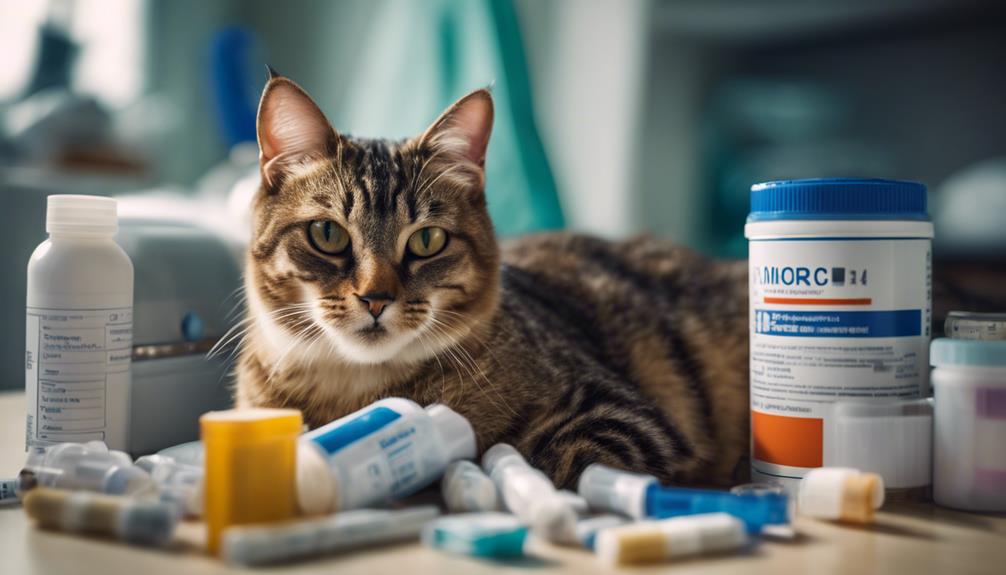
When a cat starts peeing outside the litter box, considering potential medical issues is vital to ensure the cat's health and well-being.
Urinary tract infections, among other underlying medical problems like diabetes or kidney issues, can cause sudden changes in cat urine behavior.
A vet visit is essential to diagnose and treat these medical conditions promptly, often resolving the issue and returning the cat to normal litter box use.
Behavioral Factors to Address
Addressing behavioral factors is essential when dealing with a cat peeing outside the litter box. Stress triggers like changes in routine, new pets, or separation anxiety can lead to this behavior. By understanding and addressing these factors through behavior modifications or medication, cat owners can help their pets feel more secure and prevent inappropriate urination. Re-establishing a stable routine can also aid in reducing stress-related peeing incidents.
| Stress Triggers | Behavioral Factors | Separation Anxiety | Medical Condition |
|---|---|---|---|
| Changes in routine | New pets | Loud noises | Renovations |
| Environmental changes | Anxiety | Routine instability | Separation from owner |
Environmental Changes and Stress
Changes in a cat's environment, such as moving to a new home or introducing new pets, can induce stress in felines, leading to inappropriate urination behaviors.
Factors like loud noises or disruptions in their routine can trigger anxiety in cats, causing them to pee outside the litter box.
Recognizing these stressors and providing a stable, secure environment is vital in preventing cats from exhibiting behavior changes related to environmental stress.
Home Environment Impact
To mitigate instances of inappropriate urination in cats, it is essential to understand how environmental changes and stress can impact their behavior.
- Moving: Cats may feel anxious in new surroundings.
- New Pets: Introducing other animals can cause stress.
- Renovations: Loud noises and disruptions can trigger anxiety.
- Unfamiliar Scents: New odors can make cats feel insecure.
Stress Factors Affecting
Understanding the impact of environmental changes and stress on cats is essential in addressing and preventing instances of inappropriate urination.
Environmental changes, such as moving to a new home or introducing a new pet, can stress cats, leading to sudden inappropriate urination behaviors. Factors like loud noises, renovations, or disruptions in routine can trigger stress-related behaviors.
Providing a stable environment and minimizing stressors through consistent routines can help reduce instances of cat peeing everywhere.
Behavior Changes Observed
Behavioral shifts in cats, induced by environmental changes and stressors, often manifest through sudden instances of inappropriate urination. This can be observed through changes in urination habits such as:
- Peeing outside the litter box
- Increased frequency of urination
- Avoidance of the litter box
- Marking territory with urine
Understanding these signs can help in identifying and addressing the underlying environmental changes and stress factors causing inappropriate urination behaviors.
Importance of Proper Litter Box
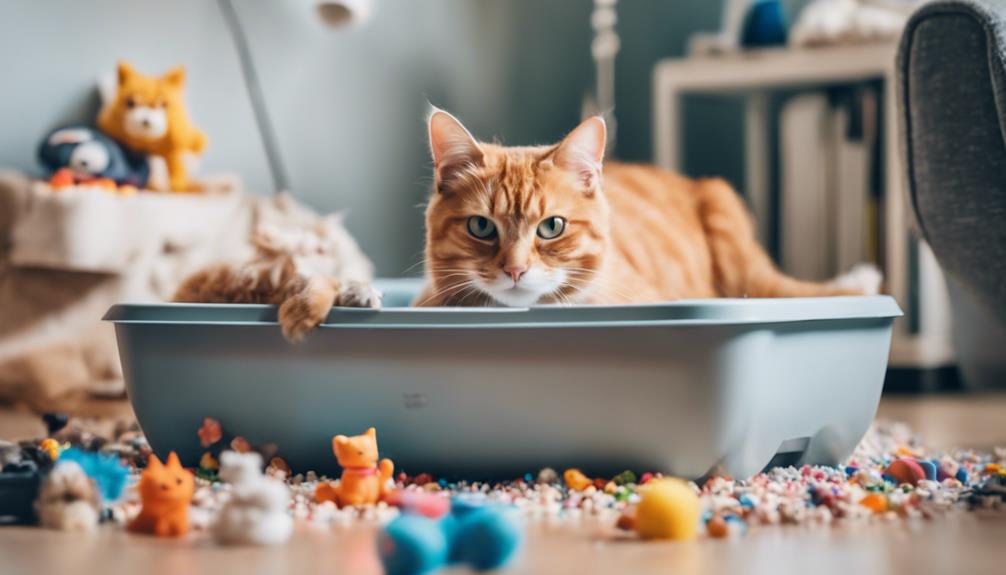
Proper litter box size, placement, and access are vital aspects to think about when aiming to prevent inappropriate urination in cats.
Cats generally prefer quiet and low-traffic areas for their litter boxes, emphasizing the importance of selecting the right location.
Additionally, ensuring the litter box is kept clean and accessible can greatly impact a cat's litter box habits.
Litter Box Size
In order to guarantee a cat's consistent and appropriate use of a litter box, the size of the box must allow for comfortable movement and natural behaviors.
- The litter box should be large enough for the cat to comfortably turn around, dig, and squat.
- A small or cramped box can deter cats from regular use, leading to inappropriate urination.
- Cats prefer spacious litter boxes to avoid feeling confined.
- Proper size is essential for cats to feel comfortable and willing to use the box consistently.
Placement and Access
When considering the appropriate placement and access of a litter box for a cat, the location plays a significant role in ensuring the cat's comfort and consistent use. Cats prefer quiet and private locations for their litter box to feel secure. High-traffic areas may deter cats from using the litter box regularly. Noisy spots can stress cats, leading to avoidance. Proper placement is vital, especially for older cats.
| Clean Litter Box | Location of the Litter Box | Feel Secure |
|---|---|---|
| Ensures regular use | Quiet and private spaces | Encourages comfort |
Age-Related Mobility Concerns
As cats age, they may encounter mobility challenges like arthritis, hindering their ability to easily access the litter box.
- Low-sided litter boxes or ramps can assist senior cats in reaching the litter box comfortably.
- Adjusting the litter box setup to accommodate mobility issues in aging cats is essential for their well-being.
- Ensuring ease of access to the litter box through appropriate modifications helps senior cats maintain proper elimination habits.
- Mobility concerns in older cats should be considered when addressing sudden changes in litter box usage.
Territorial Marking Behavior
Considering the natural inclination of cats to mark their territory, territorial marking behavior often arises in response to various triggers, particularly in multi-cat households or with the introduction of new pets.
This behavior can be triggered by stress, insecurity, or the need to assert dominance. Understanding these triggers is essential to address territorial marking and create a harmonious environment for all pets in the household.
Impact of Infections on Urination
Infections affecting the urinary tract can greatly alter a cat's urination patterns and behaviors.
- Cats with urinary tract infections may exhibit sudden changes in behavior.
- Symptoms include frequent urination, straining, and discomfort while peeing.
- Discomfort may lead to urinating outside the litter box.
- Prompt veterinary diagnosis is essential to address infections and restore normal urination.
Dealing With Anxiety and Stress
Addressing anxiety and stress in cats is essential for promoting appropriate urination behavior and overall well-being. Changes in routine or environment can trigger stress, leading to cats urinating outside the litter box.
Veterinarians can offer advice, behavior modifications, or medical solutions to reduce anxiety. Re-establishing a routine and creating a calm environment can alleviate anxiety-related urination issues, helping cats return to normal litter box usage.
Role of Habit Formation
Habit formation is a key aspect influencing a cat's behavior regarding litter box use. Cats can develop patterns of peeing outside the box due to various triggers in their environment.
Consistent reinforcement and repetition are essential in shaping positive peeing habits in cats.
Habitual Behavior Patterns
Understanding the role of habitual behavior patterns in cats is essential for effectively addressing and modifying sudden urination issues.
- Cats develop habits around using the litter box.
- Changes may lead them to urinate outside the box.
- Habit formation can result from medical reasons.
- Consistency in behavior influences how cats respond to their environment.
Environmental Triggers Impact
When examining the impact of environmental triggers on habit formation in cats, it becomes evident that sudden changes in urination patterns can often be attributed to external influences. Cats may start urinating outside the litter box due to stressors like changes in routine or environment. Providing a stable and stress-free environment is essential to prevent cats from peeing everywhere suddenly.
| Environmental Triggers | Impact on Cats |
|---|---|
| Changes in routine | Stressful for cats |
| New surroundings | Anxiety-inducing |
| Territorial issues | Trigger inappropriate urination |
| Stressors | Lead to habit changes |
Reinforcement Through Repetition
The behavior of cats, particularly in relation to urination patterns, is greatly influenced by the consistent reinforcement of specific actions through repetition.
Cats form habits through repeated behaviors, which can lead to inappropriate urination outside the litter box. To address this issue, understanding habit formation is essential for modifying these behaviors effectively.
Factors contributing to habit formation in cats include environmental triggers, consistency in reinforcement, and the need for habit modification.
Consulting a Veterinarian
Upon noticing sudden changes in your cat’s urination habits, consulting a veterinarian is essential to promptly address any potential underlying medical issues. Veterinarians can rule out medical conditions like urinary tract infections, diabetes, or kidney problems that may cause your cat to urinate outside the litter box. In addition to addressing medical issues, understanding cat urination habits can also help identify behavioral issues that may contribute to changes in your cat’s urination patterns. Factors such as stress, anxiety, or environmental changes can lead to inappropriate urination, and working with a veterinarian to develop a plan for addressing these issues is crucial. By closely monitoring your cat’s urination habits and seeking professional guidance, you can ensure the overall health and well-being of your feline companion.
Through tests such as urinalysis and blood work, vets can diagnose the root cause, ensuring appropriate treatment, which may include medications or dietary adjustments.