
Rubber plants are toxic to cats; ingestion can lead to oral irritation, discomfort, and vomiting. Immediate veterinary attention is important if ingestion is suspected. Symptoms of exposure include lethargy, lack of appetite, and abdominal pain. Prevent cats' access to rubber plants by placing them out of reach or using deterrents like citrus peels. Prompt vet care is essential for treatment, which may involve inducing vomiting and providing supportive care. Severe cases could require hospitalization for organ damage. Opt for cat-safe plants and educate yourself on toxic flora. Understanding symptoms and quick action can aid in your pet's well-being.
Toxicity of Rubber Plants to Cats
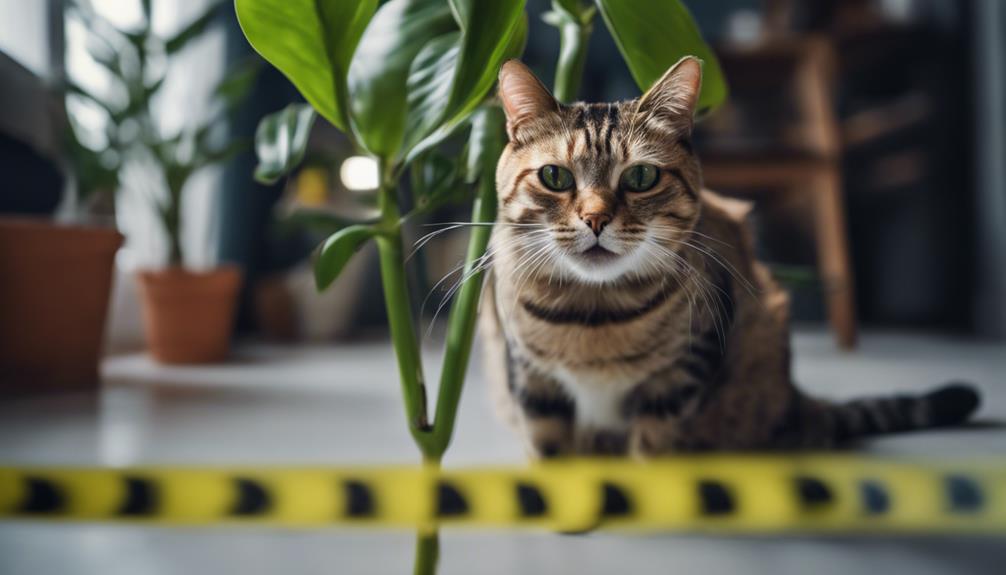
Rubber plants pose a significant toxicity risk to cats, potentially causing a range of adverse reactions upon ingestion. Cats are curious creatures that may nibble on plants, including rubber plants, which can lead to various issues.
Ingesting rubber plant leaves can result in oral irritation, discomfort, and vomiting in cats. This can be distressing for both the feline and its owner. If a cat shows signs of having ingested a rubber plant, such as vomiting or exhibiting unusual behavior, immediate veterinary attention is vital.
Veterinarians can provide the necessary care and treatment to address the toxicity effects and prevent further complications. It is essential to keep rubber plants and other potentially toxic flora out of reach of pets to safeguard their well-being.
Symptoms of Rubber Plant Ingestion in Cats
Upon ingesting rubber plants, cats may exhibit symptoms such as lethargy, lack of appetite, and abdominal pain. Additionally, they may show signs of oral irritation, excessive drooling, pawing at the mouth, and changes in heart rate.
If a cat ingests a rubber plant, it is important to seek immediate veterinary attention. Veterinarians may induce vomiting, provide supportive care, and monitor kidney function as part of the treatment for rubber plant ingestion in cats. In severe cases of rubber plant poisoning, hospitalization and intensive care may be necessary.
Recognizing these symptoms early and acting promptly by consulting a vet can greatly improve the cat's chances of recovery from the toxic effects of rubber plants.
Preventing Cats From Accessing Rubber Plants
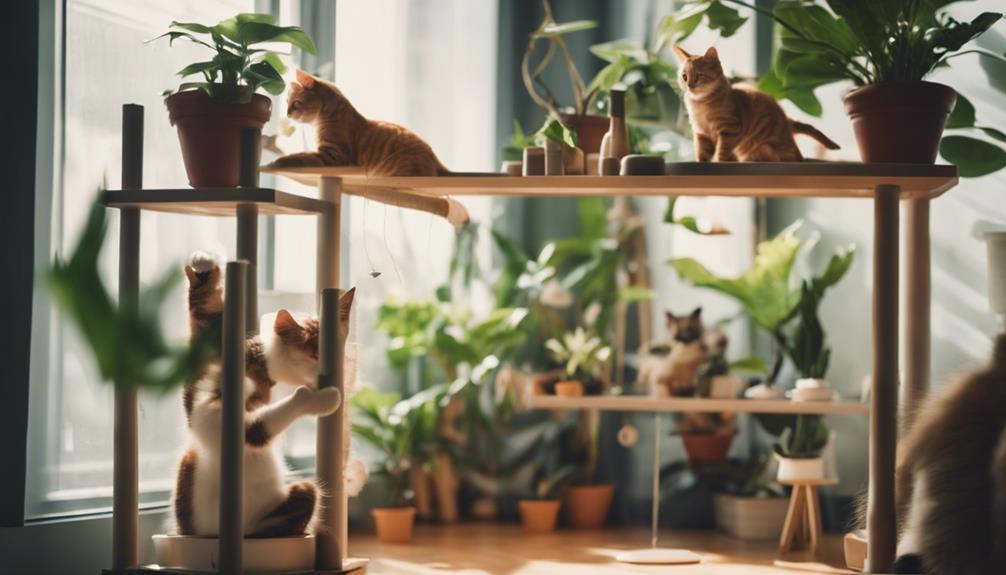
To prevent cats from accessing rubber plants, strategic placement and the use of deterrents can be effective measures to safeguard your feline companions. Placing rubber plants out of reach or in inaccessible areas can help prevent cats from coming into contact with this toxic plant. Utilizing deterrents such as citrus peels or aluminum foil around rubber plants can discourage cats from approaching them, reducing the risk of ingestion.
Regularly inspecting your home for toxic plants and ensuring they are not accessible to cats is crucial for their safety. Educating yourself about the effects of rubber plant toxicity on cats enables you to create a safe environment for your pets. Providing alternative safe plants like palm plants, spider plants, Boston ferns, and African violets can redirect cats' attention away from rubber plants, promoting a healthier environment for your feline friends.
Importance of Immediate Veterinary Care
Seeking prompt veterinary care is essential when a cat displays symptoms of rubber plant poisoning, as early intervention can greatly impact the outcome of treatment. If your cat eats a rubber plant, symptoms of toxicity may manifest as excessive drooling, pawing at the mouth, respiratory issues, and changes in heart rate.
In such cases, it is vital to contact your vet immediately or reach out to poison control for guidance. Treatment for rubber plant poisoning in cats may involve inducing vomiting, administering activated charcoal, and providing supportive care. Severe cases of rubber plant poisoning may necessitate hospitalization and intensive care to address potential organ damage.
Education about toxic plants like rubber plants can help create a safe environment and prevent poisoning incidents.
Treatment for Rubber Plant Toxicity in Cats
Effective management of rubber plant toxicity in cats involves prompt veterinary attention upon noticing any symptoms of poisoning. If a cat displays signs such as lethargy, lack of appetite, or abdominal pain, immediate intervention is essential.
Treatment for rubber plant poisoning in cats may include inducing vomiting, providing supportive care, administering activated charcoal, and closely monitoring kidney function. Severe cases can lead to renal failure, necessitating hospitalization and intensive care.
Prevention plays an important role in safeguarding cats from such toxicity by opting for cat-safe plants like palm plants or spider plants and educating oneself about toxic plants. Recognizing symptoms like excessive drooling, pawing at the mouth, respiratory issues, and changes in heart rate is key to ensuring timely treatment and a successful outcome.
Can Succulents and Rubber Plants Harm Cats in the Same Way?
It’s important to be cautious with succulents and cats toxicity, as some plants like rubber plants and certain types of succulents can be harmful to feline friends if ingested. Both can cause vomiting, diarrhea, and in severe cases, more serious health issues. Keep these plants out of reach to ensure the safety of your pets.
Alternatives to Rubber Plants for Cat-Safe Homes
For cat owners looking to create a safe environment for their feline companions, exploring alternative plant options to rubber plants is essential. Cat-safe alternatives include palm plants, spider plants, Boston ferns, and African violets. Providing cat grass can satisfy cats' urge to chew on plants safely. Regular monitoring of cats around plants is important to prevent exposure to toxic plants. Placing plants out of reach or in separate rooms can also help. Educating yourself about toxic plants and their effects on cats is necessary for maintaining a safe environment. Consider the table below for a quick comparison:
| Cat-Safe Alternatives | Benefits |
|---|---|
| Palm Plants | Low maintenance |
| Spider Plants | Air purifying qualities |
| Boston Ferns | Non-toxic to cats |
| African Violets | Colorful addition to home |