
Cats can eat plain pasta but with caution. Avoid types with garlic, onion, or excessive salt. Pasta lacks essential nutrients for cats but can provide carbs and some vitamins. Kittens might have digestive issues with pasta. Remove uneaten pasta promptly. Garlic and onions in pasta are toxic to cats, causing severe symptoms. Offer pasta in small amounts occasionally. Watch for weight changes, allergy signs, and unusual behavior post-pasta. Monitor for digestive problems and litter box changes. If in doubt, consult a vet. Understanding the risks and benefits of feeding pasta to cats is crucial for their well-being. It’s also important to consider the ingredients and seasoning on any pasta before offering it to your cat, as certain additives can be harmful. Similarly, many pet owners wonder, “can cats safely eat pepperoni?” Just like pasta, pepperoni contains ingredients like spices and excessive salt that are not safe for cats and can potentially lead to health issues. Always prioritize foods specifically formulated for feline nutrition to ensure your cat’s health and safety.
Potential Risks of Feeding Pasta to Cats
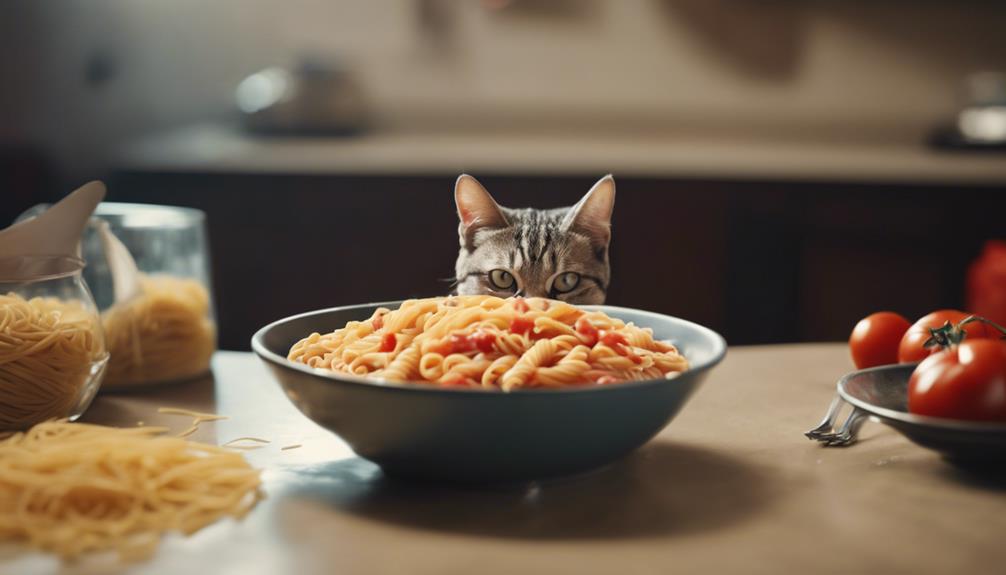
Are there potential risks associated with feeding pasta to cats?
While plain pasta is generally safe for cats, it is essential to be cautious. Avoid pasta varieties with toxic ingredients like garlic, onion, or excessive salt, as these can be harmful to feline companions. Processed pasta and instant noodles, high in sodium, may pose health risks if consumed by cats.
Though pasta is not inherently toxic, it lacks essential nutrients important for feline health. Feeding pasta in small amounts as an occasional treat is acceptable, but it should not replace a balanced diet specifically formulated for cats. Additionally, some cats may be allergic to wheat, a common ingredient in pasta, which can lead to potential health issues. It is important to monitor your cat's reaction when introducing pasta into their diet.
Nutritional Value of Pasta for Cats
Pasta, while not a complete protein and lacking essential amino acids important for cat health, can provide carbohydrates and some vitamins when cooked, making it a viable but limited option for feline nutrition.
Cats over 1 year old can benefit from the carbohydrates in pasta. However, kittens and nursing queens may experience stomach upset if they consume pasta due to their sensitive digestive systems.
Dry pasta may contain added preservatives that could trigger allergies in some cats, making cooked pasta a safer choice. Although it is not a substitute for a balanced feline diet, cooked pasta can offer some nutritional value, especially when combined with other cat-friendly foods to ensure a well-rounded diet.
Safe Pasta Options for Cats
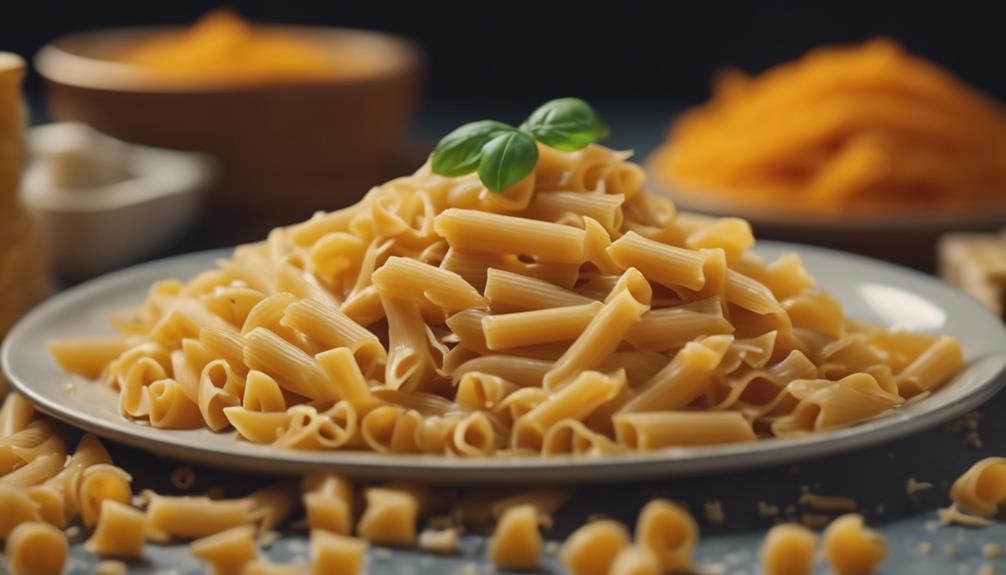
When contemplating pasta options for cats, choose plain cooked pasta without any added ingredients to guarantee the safety of your feline companion.
- Safe Pasta Options for Cats:
- Opt for plain cooked pasta without sauces or seasonings.
- Make sure the pasta is cooked thoroughly to ease digestion for cats.
- Feed pasta to cats in small amounts as an occasional treat.
- Monitor your cat's health after consuming pasta and consult a vet if needed.
Risks of Garlic and Onions in Pasta
The presence of garlic and onions in pasta can pose significant risks to the health of cats due to the toxic compounds they contain, such as thiosulfate and sulfoxides. These substances can lead to oxidative damage to a cat's red blood cells, potentially causing anemia and other serious health issues.
Cats lack the necessary enzymes to break down and eliminate the toxic components present in garlic and onions, making them unsafe for feline consumption. Even small amounts of garlic or onions in pasta can present a considerable risk to a cat's health and should be completely avoided.
Symptoms of garlic and onion toxicity in cats may include vomiting, diarrhea, lethargy, weakness, and possible organ damage if not promptly addressed.
Moderation Tips for Feeding Cats Pasta
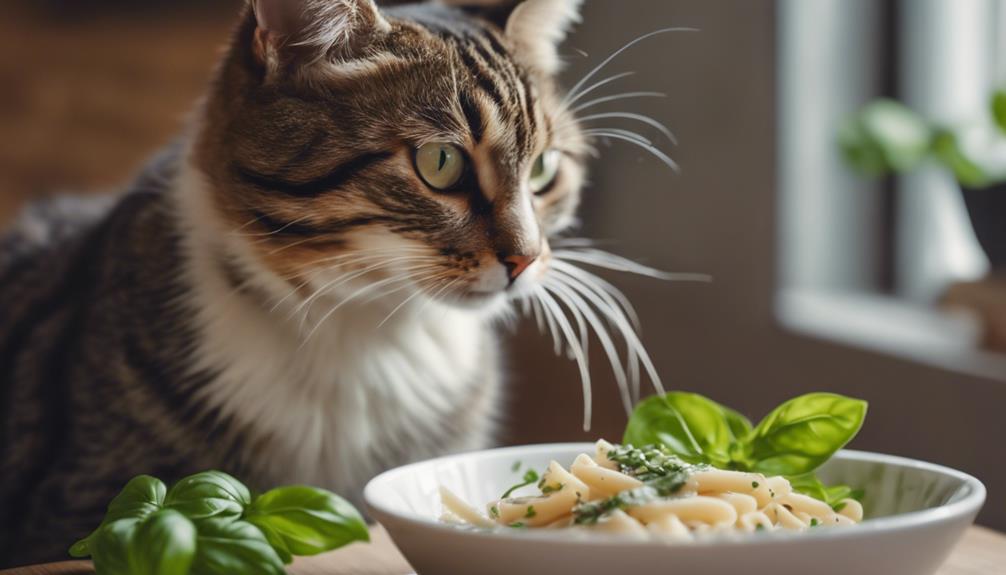
When offering pasta to your feline companion, remember to control the portion size to prevent any potential nutritional imbalances. Additionally, consider the type of pasta you are feeding your cat, opting for plain varieties without harmful additives.
Monitoring your cat's pasta consumption and consulting with a vet can help guarantee their well-being when indulging in this occasional treat.
Portion Control Tips
In order to maintain a balanced diet for your feline companion, it is essential to provide pasta in small portions, typically ranging from 1 to 2 ounces at a time.
- Monitor your cat's intake and remove any uneaten pasta after 15 minutes.
- Avoid feeding cats large amounts of pasta to prevent digestive issues.
- Limit pasta as an occasional treat, not a regular part of their diet.
- Consult with a veterinarian for guidance on portion control when offering pasta to your cat.
Choosing Pasta Types
When offering pasta to your feline companion, it is important to opt for plain varieties like spaghetti or penne to guarantee their dietary safety and well-being. This choice helps avoid ingredients like tomato, garlic, onion, or creamy sauces that may not sit well with cats.
If your cat has allergies, selecting whole wheat or gluten-free pasta can be a safer option. Moderation is key when feeding cats pasta, as it lacks essential nutrients necessary for their diet.
When preparing pasta for your cat, cook it without added salt or spices to make sure safe consumption. By choosing the right pasta types and being mindful of their diet, you can treat your cat to this occasional indulgence without compromising their health.
Pasta Alternatives for Cats
Consider incorporating protein-rich alternatives like cooked plain chicken or fish to replace pasta in your cat's diet for a nutritionally balanced meal. Some cat-friendly vegetables like cooked pumpkin or sweet potatoes can also be healthy substitutes.
High-quality commercial cat foods are formulated to provide essential nutrients that pasta lacks, making them a better alternative for your feline friend. Additionally, homemade cat treats using meat-based ingredients can cater to your cat's dietary needs without the risks associated with pasta.
Common Pasta Ingredients Harmful to Cats
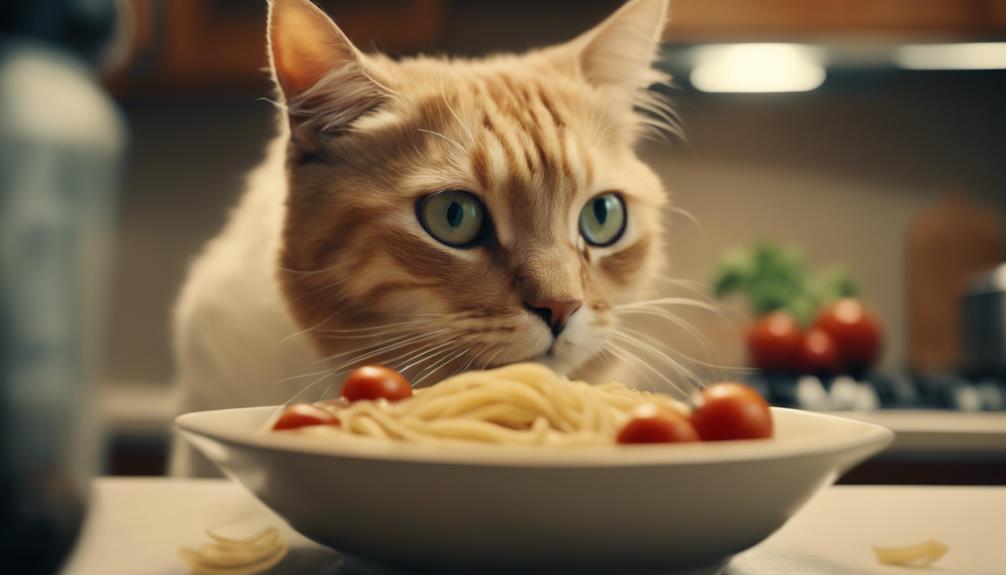
Certain ingredients commonly found in pasta, such as garlic, onion, and salt, can be toxic to cats.
Additionally, processed pasta and instant noodles are high in sodium, which can be harmful to felines.
It's essential to be mindful of these harmful components when considering offering pasta to your cat.
Toxic Pasta Ingredients
Ingesting pasta containing toxic ingredients such as garlic, onion, and salt poses a significant health risk to cats.
- Ingredients like garlic, onion, and salt commonly found in pasta can be toxic to cats.
- Processed pasta and instant noodles are high in sodium, which is harmful to cats.
- Cats may be allergic to wheat, a common ingredient in pasta, leading to adverse reactions.
- Avoid pasta with tomato or creamy sauces, butter, or additional ingredients that are not safe for cats.
Cat-Friendly Pasta Alternatives
When exploring pasta alternatives suitable for cats, it is important to prioritize their safety by avoiding common pasta ingredients that are harmful to felines. Opt for plain pasta without any additional ingredients to make sure it is safe for cats.
Ingredients like onions and garlic, commonly found in pasta dishes, are toxic to cats and should be avoided. Pasta sauces containing these ingredients, along with salt, are not suitable for feline consumption. Cats lack the necessary enzymes to digest certain pasta components like onions and garlic properly.
Hence, it's important to be cautious and avoid feeding cats pasta dishes that contain harmful ingredients. Choose cat-friendly alternatives that provide healthy food options without unnecessary empty calories or potentially harmful additives.
How to Introduce Pasta to Cats
To introduce pasta to cats safely, start by offering a small amount of plain cooked pasta as an occasional treat.
Monitor your cat's reaction for any signs of digestive issues or allergies.
Avoid adding sauces, seasonings, garlic, onion, or salt to the pasta.
Consult with a veterinarian before adding pasta to your cat's diet.
Remove any uneaten portions after 15 minutes to prevent overconsumption and digestive problems.
Monitoring Cat's Health After Eating Pasta
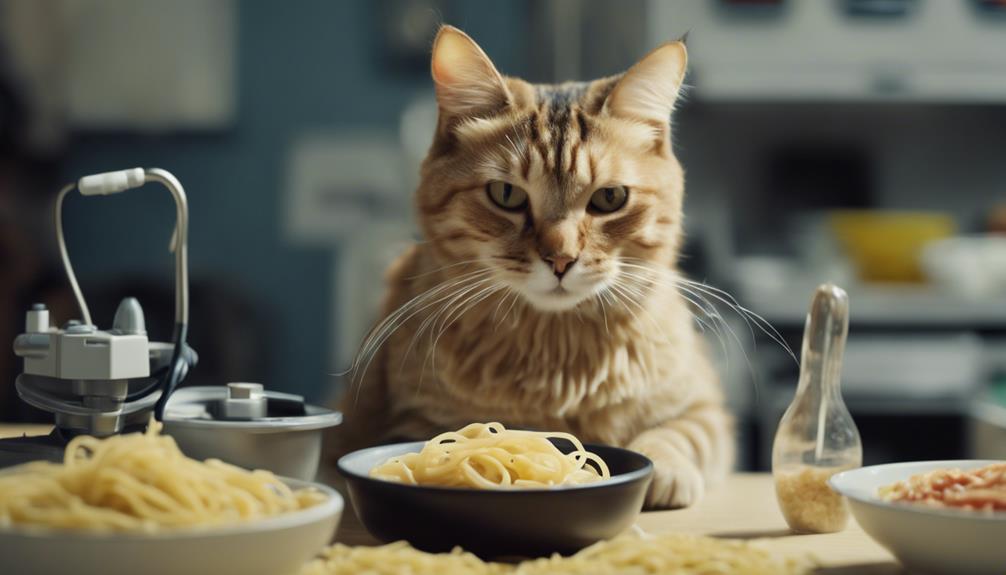
After introducing pasta to your cat, it is important to monitor their health for any potential adverse reactions or changes. Keep an eye out for digestive issues like vomiting or diarrhea, as well as changes in weight that could indicate obesity. Watch for allergic reactions such as itching, swelling, or skin irritations. Check the litter box for any alterations in stool consistency or frequency. If you notice unusual behavior in your cat after consuming pasta, consider consulting with a veterinarian promptly. Below is a table summarizing key points to observe in your cat after they have eaten pasta:
| Aspect | What to Monitor | When to Consult a Veterinarian |
|---|---|---|
| Digestive Issues | Vomiting, diarrhea | Persistent or severe symptoms |
| Weight | Changes indicating obesity | Sudden or significant weight gain |
| Allergic Reactions | Itching, swelling, skin irritations | Signs of distress or breathing issues |
| Litter Box Changes | Stool consistency, frequency | Blood in stool or prolonged changes |
| Unusual Behavior | Lethargy, excessive grooming, hiding | Abrupt or concerning behavioral shifts |