
Cats can experience jealousy, showing possessiveness and seeking attention. Signs include being between you and the object of jealousy, aggression, or destructiveness. Triggers like routine changes, less attention, or a new pet can spark jealousy. Health issues restricting movement or interactions can also lead to jealousy. Managing jealousy involves addressing health problems, providing attention, and establishing routines. Professional help, positive reinforcement, and advice from behaviorists can aid in managing jealousy. Some breeds show a predisposition to jealousy but personality plays a bigger role. Preventing jealousy includes attention, routines, trigger recognition, stability, and understanding each cat's unique traits.
Signs of Jealousy in Cats
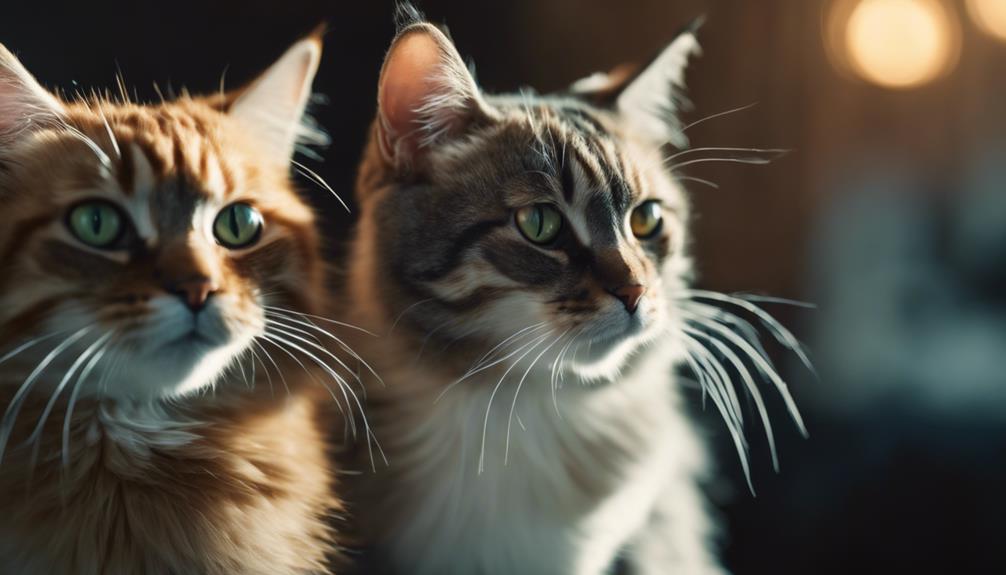
What are the key signs that indicate jealousy in cats?
Signs of jealousy in cats can manifest in various ways.
A jealous cat may seek attention by physically coming between you and the object of their jealousy.
They might exhibit aggressive behavior such as hissing, growling, swatting, scratching, or biting.
Additionally, cats feeling jealous may engage in destructive behavior, such as knocking things over or urinating outside the litter box.
Some cats may also try to avoid interactions or hide when they are experiencing feelings of jealousy. This behavior can sometimes be subtle, making it important for pet owners to pay close attention to changes in their cat’s demeanor. While jealousy may not be a common concern for all breeds, it’s natural to wonder, are Scottish Fold cats loving and prone to forming strong attachments? In fact, Scottish Fold cats are known for their affectionate and sweet nature, often preferring to stay close to their favorite humans.
Recognizing these signs can help cat owners address the underlying issues causing jealousy and provide appropriate support and attention to their feline companions.
Triggers for Jealousy in Cats
Jealousy in cats can be triggered by various factors, including changes in their routine or a decrease in attention from their pet parents.
When another pet receives treats, toys, or attention, it can lead to feelings of jealousy in cats.
These triggers can result in behavioral changes, attention-seeking actions, or other signs of jealousy in our feline companions.
Signs of Jealousy
Moreover, exhibiting possessiveness towards their pet parents or others can be a clear indication of jealousy in cats. When cats feel their usual attention diminish due to changes in routine, they may become envious of others receiving more care. This jealousy is often triggered by seeing someone else getting attention, toys, or treats that they feel entitled to.
Additionally, introducing a new pet into the household can evoke feelings of jealousy in existing cats, especially if they perceive their territory or resources are being threatened. Moreover, health issues that limit a cat's ability to socialize or access certain areas can also lead to jealousy as they may feel excluded or unable to engage in their usual interactions.
Behavior Changes
When observing behavior changes in cats, it becomes evident that certain triggers can elicit feelings of jealousy in them, impacting their interactions with both their pet parents and other animals in the household.
Jealousy in cats can be sparked by:
- Changes in attention or routine: Alterations in the amount of time or quality of attention given by pet parents can lead to feelings of neglect and jealousy.
- Introduction of a new pet: Bringing a new animal into the household, especially if they receive more attention or resources, can trigger jealousy in resident cats.
- Witnessing others receive attention or rewards: Seeing another pet or person getting toys, treats, or affection can evoke jealousy in cats, altering their behavior and mood.
Attention-Seeking Actions
Manifesting their emotions through subtle yet noticeable actions, cats may display attention-seeking behaviors as a response to feelings of jealousy. Cats seeking extra attention by rubbing against their pet parent or interrupting interactions can be signs of jealousy. They may also vocalize excessively, engage in destructive behavior, or sit on laptops to gain attention when jealous. Changes in routine or attention distribution can trigger possessiveness and jealousy in cats, leading to various attention-seeking actions. These behaviors serve as indicators of underlying emotional states in felines. Below is a table summarizing common attention-seeking actions exhibited by cats when experiencing jealousy:
| Attention-Seeking Behaviors | Examples |
|---|---|
| Rubbing against owner | Seeking extra attention |
| Sitting on laptop | Interrupting activities |
| Excessive vocalization | Expressing displeasure |
Health Factors and Jealous Behavior
Health issues can greatly impact a cat's behavior, potentially leading to jealousy.
When health problems restrict a cat's movements or social interactions, feelings of jealousy can arise.
Understanding how health factors contribute to jealousy is essential in addressing and managing this behavior in cats.
Jealousy and Stress
Jealousy in cats can be influenced by various health factors, such as limitations in access, attention, or socializing, which may lead to stress-induced behaviors. Cats experiencing health issues may exhibit jealousy due to feeling insecure or anxious about their well-being.
Here are three ways health problems can contribute to jealousy and stress in cats:
- Physical limitations: Health issues can restrict a cat's mobility or abilities, causing frustration and triggering jealous behaviors.
- Changes in routine: Alterations in a cat's daily regimen due to health concerns can lead to feelings of insecurity and jealousy.
- Socialization difficulties: Health problems that hinder a cat's ability to interact with others may result in increased stress and jealousy.
Behavioral Signs
Indications of behavioral changes in cats, influenced by health factors, can shed light on their potential experience of jealousy. Health issues such as physical limitations or changes in routine can trigger feelings of jealousy in cats.
When cats experience health problems that restrict their access to areas or attention, they may exhibit jealous behaviors. For instance, if a cat is unable to socialize due to health issues, they might display signs of jealousy towards other pets receiving attention. These jealous behaviors can manifest as aggression, excessive vocalization, or even avoidance.
It's crucial for cat owners to pay attention to these behavioral signs, as they could be a result of underlying health issues that need to be addressed promptly to safeguard the well-being of the feline companion.
Addressing Jealousy in Cats
When considering the management of jealousy in cats, addressing the underlying health factors that contribute to their jealous behavior is essential for promoting their well-being and harmonious relationships within the household.
- Health issues can lead to behavior changes in cats, triggering feelings of jealousy.
- Physical limitations resulting from health problems may manifest as jealous behaviors in cats.
- Insecurity about their place in the household due to health issues can cause cats to exhibit jealousy-related behaviors.
Managing Jealousy in Cats
In addressing jealousy in cats, establishing individual attention and consistent routines play pivotal roles in managing their emotions effectively. Cats may exhibit jealous behavior when they feel their resources or territory are threatened. Providing separate spaces, litter boxes, and feeding areas can reduce competition and alleviate jealousy.
Identifying and addressing the underlying triggers of jealousy, such as lack of attention or perceived favoritism, is essential for resolving the issue. Seeking guidance from a veterinarian or behaviorist can assist in developing a tailored jealousy management plan for your cat. Using positive reinforcement techniques, like rewarding good behavior, can effectively modify jealous behaviors in cats.
Professional Behavior Modification Techniques
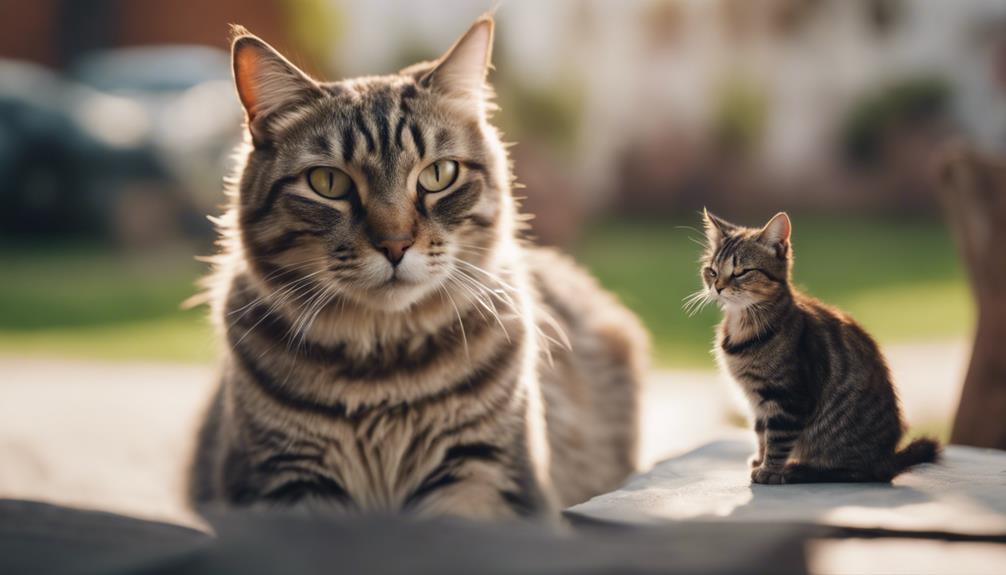
Professional behavior modification techniques for cats involve utilizing positive reinforcement training methods to address and modify jealous behavior effectively.
When seeking professional help to modify jealous behavior in cats, consider the following:
- Certified Animal Behaviorists: These experts can provide tailored guidance on implementing behavior modification strategies to address jealousy triggers in cats.
- Collaboration with Veterinarians: Working in conjunction with a veterinarian is essential, especially in cases where medication may be necessary to manage severe jealousy in cats.
- Tailored Interventions: Behavior modification techniques aim to identify and address the underlying causes of jealousy in cats through personalized and targeted interventions, promoting long-term behavior change.
Breed Predisposition to Jealousy
Certain cat breeds may exhibit a predisposition to jealousy, although this behavior is primarily driven by individual personality traits rather than inherent breed characteristics. Breeds like Siamese and Burmese are known for being more vocal and demanding of attention, which could be mistaken for jealousy.
However, there is no specific cat breed universally considered the most jealous. While certain breeds may show behaviors that appear jealous, it's essential to remember that personality and upbringing play a more significant role in a cat's tendency to exhibit jealousy than breed predisposition alone.
Understanding the specific personality traits of individual cats within a breed can help owners better address any perceived jealousy issues and provide appropriate attention and care to their feline companions.
Could a Cat Showing Signs of Jealousy actually be Sick with a Cold?
Yes, cats can get colds just like humans. If your cat is showing signs of jealousy, such as avoiding you or acting out, it could actually be sick with a cold. Keep an eye out for other symptoms like sneezing, coughing, or watery eyes, and visit the vet if necessary.
Preventing Jealousy in Cats
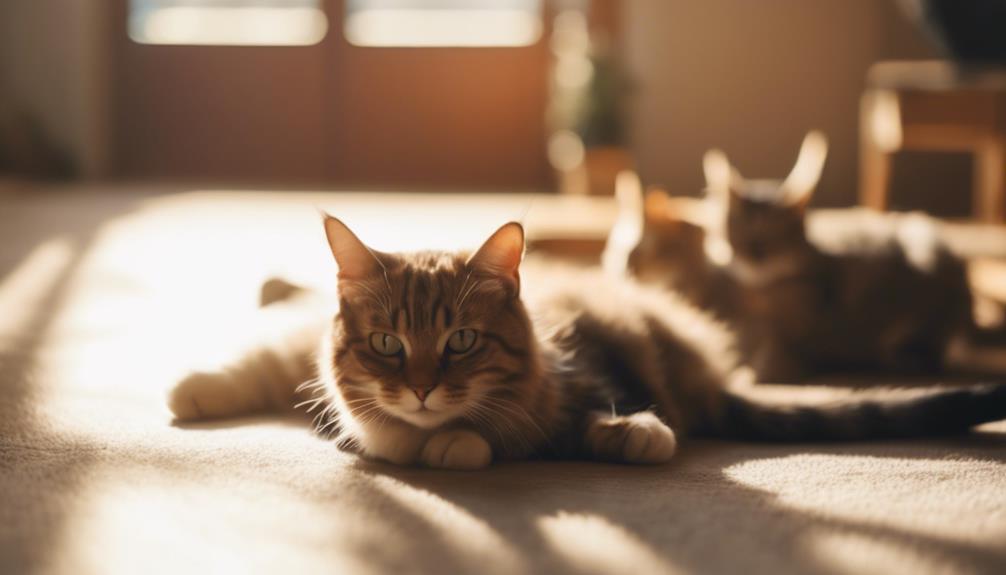
To promote harmonious relationships with cats, proactive measures can be taken to prevent feelings of jealousy in these feline companions.
- Provide individual attention: Spending quality time with each cat individually can help them feel secure and loved, reducing the likelihood of jealousy.
- Maintain consistent routines: Cats thrive on predictability, so sticking to regular feeding times, play sessions, and sleeping schedules can create a stable environment that minimizes feelings of insecurity.
- Address triggers promptly: If you notice any behaviors that indicate jealousy, such as aggression or withdrawal, investigate the triggers causing these reactions. By identifying and addressing the root causes, you can prevent jealousy from escalating and maintain a peaceful atmosphere in your home.