
Building immunity to cat allergies is possible. Some individuals may develop natural immunity over time, preventing typical allergic reactions to cat allergens. For those without innate resilience, immunotherapy is a solution. This therapy gradually exposes the immune system to cat allergens, aiding in tolerance development. Sublingual immunotherapy, where drops or tablets are taken under the tongue, effectively manages cat allergies long-term. Factors like genetics, health, and exposure levels influence immunity development. Consultation with allergists for personalized treatment plans and lifestyle changes can also support allergy management. Immunity to cat allergens can improve with controlled exposure.
Immunity Development to Cat Allergies

Immunity to cat allergies may develop naturally over time in certain individuals, although most people do not acquire this immunity on their own. When exposed to cat allergens, individuals with this natural immunity may not experience the typical allergic reaction.
For those who do not naturally develop immunity, treatments like immunotherapy offer a solution. Immunotherapy works by gradually exposing the immune system to small amounts of cat allergens, helping the body build tolerance over time. Sublingual immunotherapy, a method where drops or tablets are placed under the tongue, has shown effectiveness in long-term management of cat allergies.
Understanding Cat Allergy Immunity
The comprehension of how individuals develop tolerance to cat allergies over time is a complex yet intriguing aspect of immunological responses. While some people may naturally become less sensitive to cat dander, most individuals do not achieve immunity without intervention.
Allergy treatments, such as immunotherapy, play an important role in retraining the immune system to tolerate cat allergens. Immunotherapy involves exposing the body to small amounts of cat dander to build up tolerance gradually. One effective form of immunotherapy is sublingual treatment, where drops or tablets are placed under the tongue.
This method has shown success as a long-term solution for managing cat allergies by helping the immune system develop a more tolerant response to cat allergens.
Factors Affecting Allergy Immunity
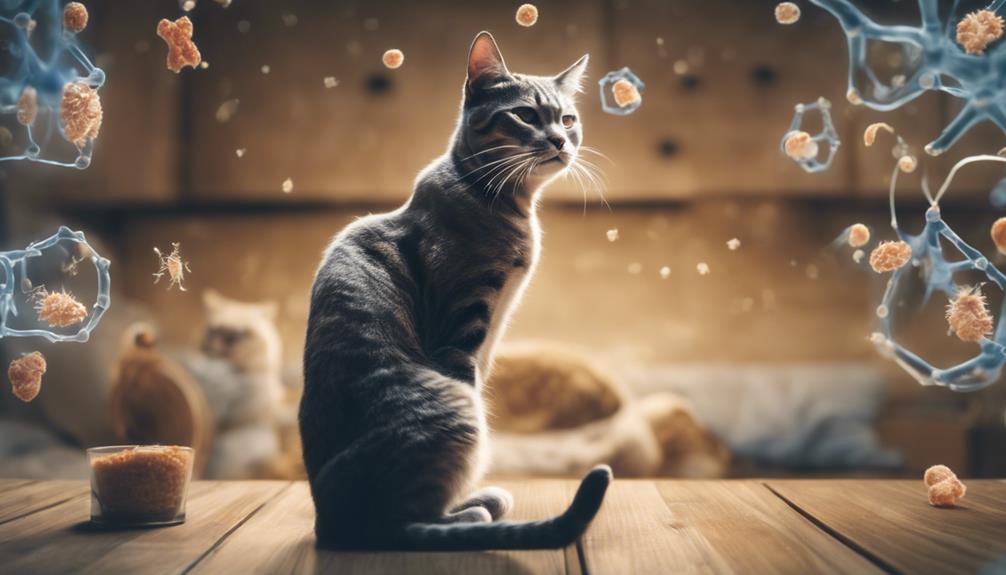
Factors such as genetics, health status, and exposure levels play a significant role in influencing the development of allergy immunity to cat allergens.
Genetic predispositions can affect how the immune system responds to cat allergens, impacting the likelihood of developing immunity. Additionally, an individual's overall health status can influence their immune response and ability to build immunity over time.
Exposure levels to cat allergens also play an important role, as consistent and controlled exposure may help the immune system develop tolerance. Moreover, immunotherapy is a valuable tool that can aid in retraining the immune system to tolerate cat allergens, facilitating the long-term development of immunity.
Understanding these factors is essential in comprehending how allergy immunity to cat allergens can be influenced and potentially enhanced.
Allergy Desensitization Methods
Allergy desensitization methods, such as immunotherapy, work by gradually exposing the immune system to cat allergens to build tolerance. These treatments aim to reduce allergic reactions over time by retraining the immune system to accept the presence of cat dander.
Sublingual immunotherapy, a common method, involves administering drops or tablets under the tongue to help manage cat allergies effectively.
Immunotherapy for Allergies
Immunotherapy methods, such as sublingual or subcutaneous approaches, are designed to gradually expose individuals with allergies to small amounts of specific allergens in order to build tolerance over time.
Sublingual immunotherapy, where drops or tablets are placed under the tongue, enables convenient at-home treatment. This approach aims to retrain the immune system's response to cat dander, reducing allergic reactions by desensitizing the immune system to cat allergens.
Research supports the effectiveness of immunotherapy in helping individuals build immunity to cat allergies. By gradually increasing exposure to cat allergens, immunotherapy can lead to a decrease in allergic responses over time.
Immunotherapy stands out as a long-term solution for cat allergies, offering hope to those seeking relief from allergic reactions.
Allergen Exposure Reduction
Utilizing gradual exposure to small amounts of allergens, desensitization methods aim to train the immune system to tolerate specific triggers, such as cat allergens, over time. These methods, like immunotherapy through subcutaneous or sublingual routes, work by reducing the immune response to allergens, ultimately providing relief to allergy sufferers. By consistently exposing the body to small doses of cat allergens, desensitization can lead to long-term tolerance and improved symptoms. The controlled nature of desensitization helps the immune system develop a protective response against cat allergies. This approach is especially beneficial for individuals seeking to reduce exposure to cat allergens and alleviate allergic reactions in a systematic and gradual manner.
| Allergen Exposure Reduction | Benefits |
|---|---|
| Desensitization methods | Train the immune system |
| Immunotherapy | Reduce allergic reactions |
| Long-term tolerance | Improved symptoms |
Importance of Consultation for Allergies
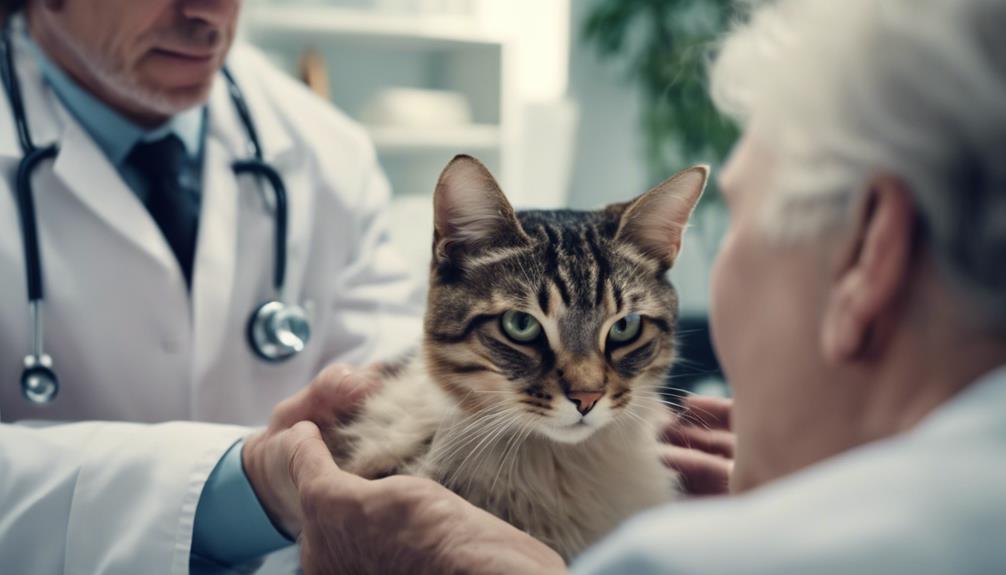
Seeking guidance from an allergist is vital for individuals experiencing cat allergies to receive accurate diagnosis and tailored treatment plans. Allergy specialists can conduct specific tests to identify the allergens causing reactions to cats.
By consulting with an allergist, individuals can receive personalized recommendations for medications, immunotherapy, and lifestyle changes to effectively manage their cat allergies. Regular follow-up consultations with an allergist are important to monitor progress, adjust treatment plans, and address any new allergy symptoms that may arise.
Professional consultation guarantees thorough care and support for individuals dealing with cat allergy concerns. It is through the expertise of allergists that individuals can gain a better understanding of their allergies and work towards improving their quality of life.
Lifestyle Changes for Allergy Management
To effectively manage cat allergies, incorporating lifestyle changes is essential for minimizing allergen exposure and improving overall quality of life. Regular grooming and cleaning of your cat can help reduce allergen levels.
Creating cat-free zones in your home, especially in bedrooms, can minimize nighttime allergy symptoms. Using HEPA filters and air purifiers can help reduce airborne allergens from your cat, improving indoor air quality.
Washing bedding, blankets, and toys that your cat comes into contact with regularly can decrease allergen levels. Consulting healthcare professionals for advice on maintaining a clean environment and reducing allergen exposure is crucial to effectively manage your allergy and alleviate symptoms.
Possibility of Cat Allergy Elimination

In efforts to combat cat allergies, exploring the prospect of eliminating allergic reactions through immunotherapy presents a promising avenue for building long-term immunity to cat dander allergens.
- Immunotherapy can help build immunity to cat allergies by desensitizing the immune system over time.
- Sublingual immunotherapy administers small doses of cat allergens under the tongue to promote tolerance and reduce allergic reactions.
- This long-term treatment can lead to lasting improvements in allergy symptoms.
- Controlled exposure to cat allergens through immunotherapy helps the immune system develop tolerance, reducing allergic responses.
- While not everyone naturally develops immunity to cat allergies, immunotherapy is a proven method to build tolerance and manage allergic reactions effectively.
Immunity Building Through Exposure
Developing immunity to cat allergies can be facilitated through consistent exposure to small amounts of cat allergens over time. Regular exposure to cat dander allows the immune system to gradually build tolerance, reducing the likelihood of allergic reactions.
By exposing the body to cat allergens in controlled amounts, the immune system can learn to recognize them as harmless, leading to decreased sensitivity and improved tolerance. This process of immunity building is incremental and requires patience, as the immune system adjusts to the presence of cat allergens.
Through continued exposure, individuals may experience a reduction in allergic reactions over time, highlighting the potential benefits of building immunity to cat allergies through controlled exposure.
Can Air Purifiers Help Build Immunity to Cat Allergies?
If you suffer from cat allergies, air purifiers for allergies may provide relief. While they can’t build immunity, they can help reduce the amount of allergens in the air, which may alleviate symptoms for some people. It’s best to consult with a doctor for personalized advice.
Personalized Allergy Treatment Options

Personalized allergy treatment options, such as sublingual immunotherapy, offer tailored approaches to building immunity to cat allergies. This method exposes cat allergy sufferers to small traces of cat allergens over time, helping the immune system tolerate cat dander and reduce allergic reactions.
Sublingual immunotherapy involves taking drops or tablets under the tongue at home, making it a convenient option for many individuals. It is the only proven long-term method to build immunity to cat allergies, providing lasting relief for those affected.