
Composting cat hair and fur can enrich soil, aid decomposition, and reduce landfill waste. This practice repurposes pet resources for a more sustainable lifestyle. Cat hair adds nitrogen to the compost, enhancing its nutrient content and promoting soil health. By following best practices, such as mixing cat hair with green and brown components, maintaining proper aeration, and avoiding chemically treated fur, you can create nutrient-rich compost. Maximizing cat hair's composting potential involves strategic incorporation in compost piles with other materials. Preparing cat hair—collected from grooming or shedding sessions—boosts its decomposition process. Harness the benefits of composting cat fur for a greener gardening approach.
Importance of Composting Cat Hair
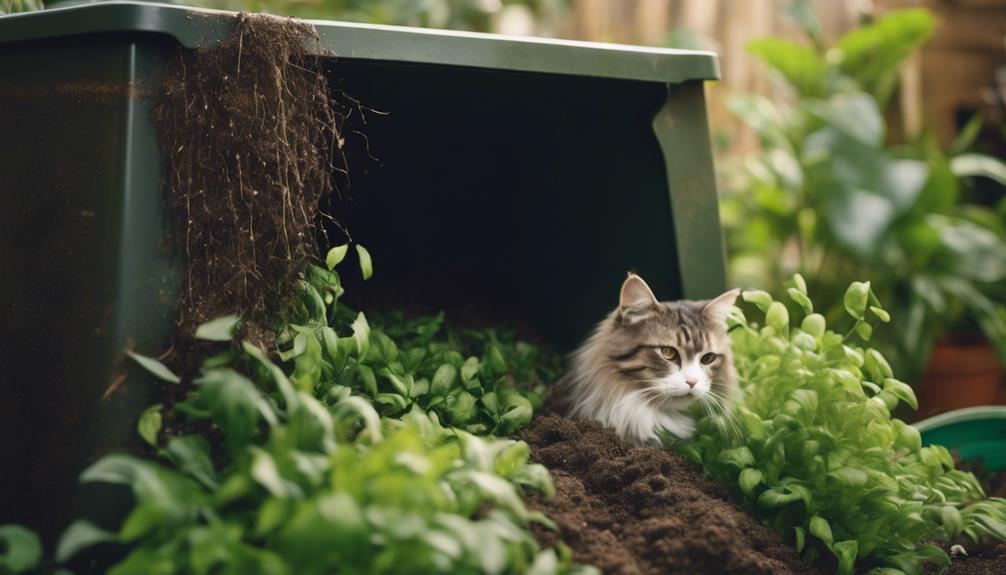
Composting cat hair is a beneficial practice that enhances soil quality by providing essential nutrients for plant growth. Cat hair is an organic source of nitrogen, a key component in fertile compost. When integrated into compost piles, cat hair slowly decomposes, releasing nutrients that enrich the soil and support plant development.
This natural process creates nutrient-rich compost, promoting healthier plant growth and sustainability in gardening practices. By repurposing cat hair in composting, gardeners adopt an eco-friendly approach to waste management, utilizing a readily available resource to benefit their gardens.
Pinterest offers beginner-friendly tips for incorporating cat hair into compost, making it accessible for gardening enthusiasts seeking to enhance their composting practices with this valuable organic material.
Benefits of Adding Cat Fur to Compost
Cat fur serves as a valuable addition to compost, contributing essential nitrogen for decomposition and enriching soil fertility. When adding cat fur to compost, there are several benefits worth noting:
- Nitrogen Boost: Cat fur adds nitrogen to the compost pile, aiding in the breakdown of organic matter.
- Soil Enrichment: The decomposition of cat fur enriches the compost with nutrients important for plant growth.
- Waste Reduction: Incorporating cat hair in composting reduces waste in landfills, promoting a more sustainable environment.
- Eco-Friendly Recycling: Adding cat fur to compost offers a sustainable way to repurpose pet waste, contributing to a greener lifestyle.
Best Practices for Composting Cat Hair
When integrating cat hair into compost, it is vital to follow specific best practices to guarantee optimal decomposition and nutrient enrichment. Cat hair serves as a valuable source of nitrogen in the compost pile, assisting in the breakdown of organic matter.
To make sure efficient decomposition, it is recommended to mix cat hair with other green and brown components, providing a balanced carbon-to-nitrogen ratio. Proper aeration and moisture retention are essential for breaking down pet fur effectively.
Cat hair typically takes around a month to decompose before it can be safely added to garden soil for plant enrichment. By recycling pet fur through composting, you not only reduce waste but also contribute to a more sustainable and eco-friendly gardening practice.
Cat Hair as a Nutrient Source
Cat hair serves as a valuable source of nitrogen, enriching compost with essential nutrients for plant growth.
When integrated into the composting process, cat hair undergoes decomposition, transforming into a nutrient-dense material beneficial for soil health.
Nutritional Value of Cat Hair
In the domain of composting, cat hair plays a significant role as a valuable source of nutrients, particularly nitrogen, contributing to the enhancement of soil quality.
Here are some key points regarding the nutritional value of cat hair:
- Cat hair is rich in nitrogen, making it a beneficial addition to compost for creating nutrient-rich soil.
- The decomposition process of cat hair in compost can take up to 12 months, releasing nitrogen slowly into the soil.
- Incorporating cat hair in compost helps improve soil quality, providing essential nutrients for plant growth.
- The presence of cat hair in compost enhances the overall quality of the compost, supporting healthier plant development in gardens.
Composting Process for Fur
Cat hair, renowned for its high nitrogen content, is an invaluable component in the composting process, contributing essential nutrients for soil enrichment. When composting cat hair, it is important to layer it with other organic matter such as food waste and fresh grass to create a balanced mix.
Over time, the cat hair decomposes, forming a nutrient-rich mass that enhances soil quality. Incorporating cat hair into compost accelerates the decomposition process, enriching the final product.
To guarantee successful composting of cat hair, it is vital to maintain proper aeration and moisture levels. By following these practices, cat hair can be effectively utilized as a beneficial nitrogen source in composting, promoting sustainable soil health.
Cat Hair Composting Tips
When composting cat hair, understanding the benefits of hairball decomposition and the fur breakdown process is crucial. Properly incorporating cat hair into compost can greatly enhance the nutrient profile of the soil, leading to healthier plant growth.
Utilizing resources like Pinterest can provide beginners with valuable tips on effectively using cat hair as an organic matter in their compost piles.
Hairball Composting Benefits
Enhancing soil fertility through the decomposition of cat hair presents a sustainable solution for improving plant health and reducing waste. Composting cat hair offers numerous benefits for plant growth and the environment:
- Nutrient-Rich Soil: Cat hair composting enriches the soil with essential nutrients, such as nitrogen, promoting healthy plant development.
- Waste Reduction: By composting cat hair, you can effectively reduce waste while contributing to a more sustainable gardening practice.
- Valuable Recycling: Cat hair contains valuable nutrients that can be recycled through composting, benefiting both the soil and plants.
- Eco-Friendly Gardening: Utilizing cat hair in composting helps create a healthier garden ecosystem and supports eco-friendly gardening practices.
Fur Decomposition Process
During the decomposition process of fur, cat hair offers valuable nutrients that contribute to soil fertility and plant growth. Cat hair, rich in alpha-keratin protein and amino acids like glycine and cysteine, takes up to 12 months to break down in a compost heap. Short hair clippings are particularly beneficial for composting as they release nitrogen slowly into the soil, enhancing its fertility.
Garden beds can benefit from the application of cat hair, either directly or after being chopped into the soil, to improve nutrient content. Additionally, cat hair can serve as a natural deterrent for squirrels in gardens when used as a fertilizer.
Incorporating cat hair into composting practices can be a sustainable way to recycle this resource and promote healthier plant growth.
Maximizing Cat Hair's Composting Potential
To maximize the composting potential of cat hair, strategic incorporation within compost piles alongside green and brown components is crucial. Cat hair, being a rich source of nitrogen, aids in the decomposition process, enriching the compost with valuable nutrients. Here are four key steps to maximize cat hair's composting potential:
- Layering: Alternate layers of cat hair with green materials like vegetable scraps and grass clippings, as well as brown materials such as dried leaves or straw.
- Aeration: Regularly turning or aerating the compost pile helps speed up the breakdown of cat hair and fur.
- Balance: Maintain a balance of green and brown components to guarantee optimal decomposition and nutrient retention.
- Utilization: Use the finished compost, enriched with cat hair, to enhance soil fertility and promote healthy plant growth.
Preparing Cat Hair for Compost
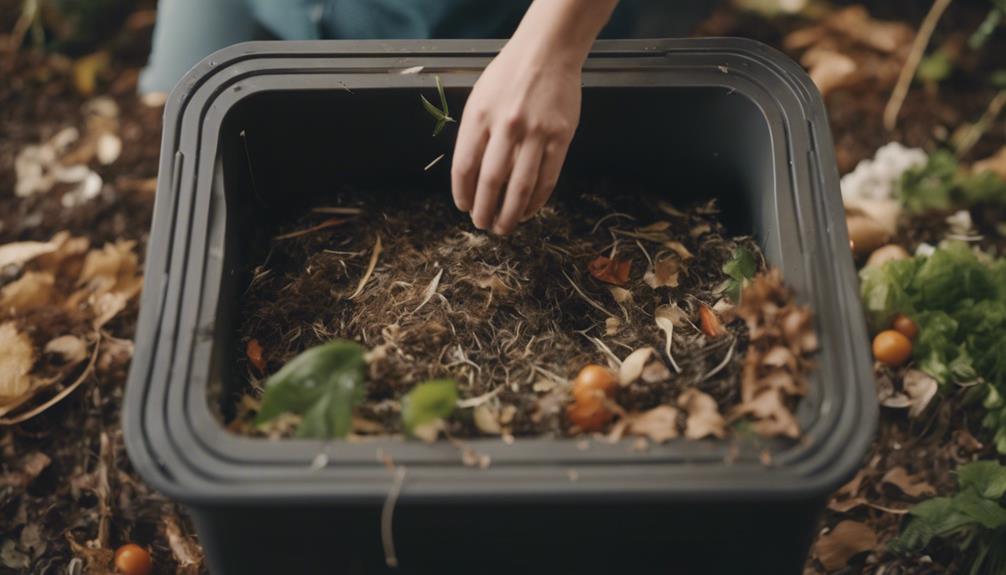
How can cat owners effectively prepare their cat hair for composting to maximize its nutrient contribution to the soil? Cat hair, being rich in nitrogen, is a valuable addition to compost piles. To prepare cat hair for composting, collect it from grooming sessions or shedding. Mixing cat hair with other organic matter like food scraps or yard waste helps speed up the decomposition process. While cat hair breaks down slowly, it adds essential nutrients to the soil, enhancing its fertility. By properly preparing and incorporating cat hair into compost, cat owners can engage in eco-friendly recycling practices while enriching their garden soil. Below is a table summarizing key points in preparing cat hair for compost:
| Key Steps for Preparing Cat Hair for Compost |
|---|
| Collect cat hair from grooming or shedding sessions |
| Mix cat hair with other organic materials for faster decomposition |
Factors to Consider When Composting Cat Fur
As cat owners consider composting cat fur, it is important to recognize key factors that can impact the effectiveness of the composting process.
- Cat hair is rich in nitrogen, important for composting.
- Use hair from grooming tools like brushes or combs for composting.
- Cat hair may take up to 12 months to decompose fully in a compost pile.
- Avoid using chemically treated or flea-treated cat hair in compost to prevent harmful effects on the composting process.
Will Overbrushing My Cat Result in More Hair for Composting?
Yes, brushing your cat regularly can result in more hair for composting. Overbrushing, however, may lead to skin irritation for your cat. Stick to a regular brushing routine to ensure a healthy and comfortable experience for your feline friend, while still collecting hair for composting.
Enhancing Compost With Cat Hair
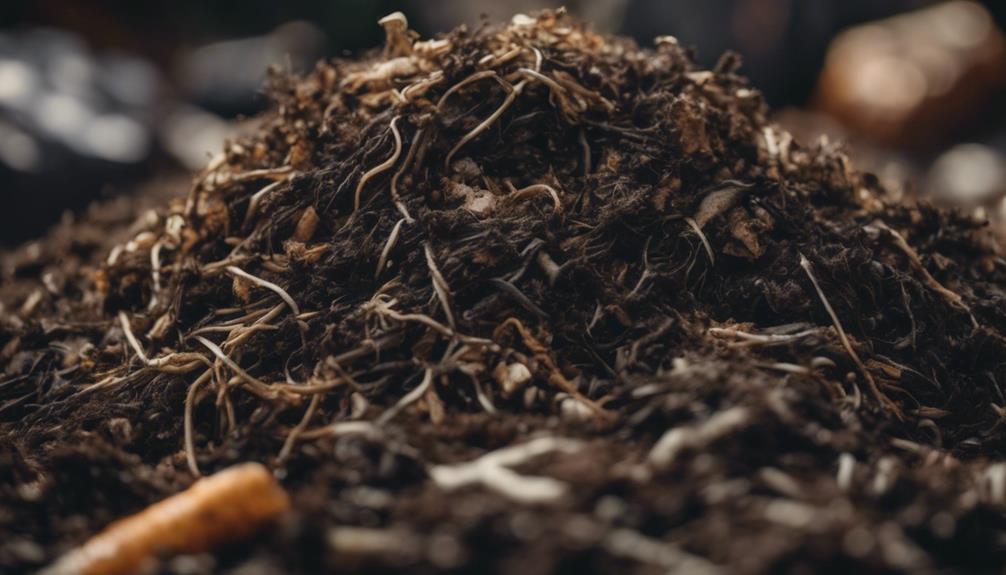
Incorporating cat hair into compost enriches the nutrient content, fostering soil health and enhancing the decomposition process. Cat hair contributes valuable nitrogen to the compost, aiding in the breakdown of organic matter.
When layered properly with green and brown components, cat hair helps create a well-balanced mix for efficient composting. Over time, the cat hair decomposes, transforming into a nutrient-rich mass that benefits plant growth.
This eco-friendly practice of utilizing cat hair in composting not only repurposes pet waste but also provides a sustainable way to improve soil quality. By understanding the role of cat hair in compost, individuals can effectively enhance the decomposition process and promote healthier soil for gardening and plant cultivation.