
Polydactylism in cats, leading to extra toes, is caused by a genetic mutation in the Sonic Hedgehog (SHH) gene. Breeds like Maine Coons are more prone to this condition. Polydactylism doesn't generally harm a cat's health. These cats can have up to 9 toes on each paw and excel at activities like balancing and hunting. Historical fascination with polydactyl cats stems from their luck and hunting prowess. Care for these cats involves regular nail trimming and suitable scratching posts. Cats like Maine Coons and Pixiebobs commonly exhibit extra toes. Understanding the genetic basis sheds light on this intriguing trait in feline breeds.
Genetic Basis of Polydactylism

What genetic mechanisms underlie the phenomenon of polydactylism in cats?
Polydactylism in cats is primarily caused by a genetic mutation in a dominant gene known as Sonic Hedgehog (SHH). This mutation leads to cats being born with extra toes, ranging from four to seven, compared to the typical number. Breeds like Maine Coons are particularly prone to polydactylism, with this trait being passed down to their offspring.
While polydactylism is generally harmless to a cat's health, it can sometimes be confused with feline radial hypoplasia. Understanding the genetic basis of polydactylism sheds light on how this unique trait is inherited and expressed in certain cat populations, providing insight into the fascinating world of feline genetics.
Unique Physical Characteristics of Polydactyl Cats
Polydactyl cats possess a unique physical trait of extra toes, sometimes up to 9 digits on their paws, enhancing their paw functionality.
These additional appendages, often resembling mittens, aid them in activities like balance, climbing, and hunting.
The inheritance of polydactylism is linked to specific genetic factors that contribute to this distinctive feature in cats.
Extra Toe Count
Among the distinctive physical attributes of polydactyl cats is the potential for an increased toe count, with some individuals possessing up to 28 toes spread between their front and hind limbs. Extra toes on polydactyl cats can be asymmetrical, meaning they may have a different number of toes on each paw. This unique feature sets them apart from regular cats, as polydactyl cats can have varying numbers of toes that exceed the standard 18 toes found in non-polydactyl felines.
Breeds like the Maine Coon and Pixiebob are more prone to exhibiting this extra toe phenomenon, contributing to the prevalence of polydactylism within specific cat populations. From Jake, the world-record holder with 28 toes, to cats with just a few extra digits, polydactyl cats showcase the fascinating diversity in feline anatomy.
Paw Functionality
With their unique physical characteristics, polydactyl cats showcase remarkable adaptations in paw functionality. Despite having extra toes, polydactyl cats do not possess functional thumbs like humans. The additional toes are not opposable and lack the ability to grasp objects. However, these extra digits provide polydactyl cats with enhanced balance, aiding in activities such as climbing and hunting. While the extra toes may resemble thumbs, they do not offer the same functionality. Polydactyl cats are unable to perform tasks that require opposable thumbs due to this limitation. The table below highlights the functionality of polydactyl cat paws in various activities:
| Activity | Functionality | Explanation |
|---|---|---|
| Balance | Enhanced | Extra toes aid in maintaining stability |
| Climbing | Beneficial | Additional digits provide better grip |
| Hunting | Advantageous | Improved agility and precision in catching prey |
Genetic Inheritance
A distinctive genetic trait observed in cats, polydactylism manifests as an intriguing anomaly characterized by the presence of excess digits on the paws. This unique physical characteristic is inherited dominantly and is attributed to the Sonic Hedgehog gene mutation, resulting in polydactyl cats having up to 9 toes on a single paw.
Mutations in the ZRS gene, which are linked to limb development, also play a role in this trait. Breeds like the American Polydactyl and Maine Coon Polydactyl are known for exhibiting this fascinating feature.
Polydactyl cats, with their extra toes, showcase the intricate interplay of genetic factors influencing limb development.
Historical Significance of Polydactyl Cats
Polydactyl cats held substantial historical significance, particularly among sailors and notable figures like Ernest Hemingway, due to their perceived luck, balance, and hunting abilities. Sailors believed these extra-toed felines brought good fortune and were exceptional hunters aboard ships, keeping vermin at bay. Along the East Coast of North America and parts of England, polydactyl cats were revered as ship cats, known for their agility and prowess. Ernest Hemingway's affection for these cats even led to them being dubbed 'Hemingway cats'. In contrast, in Europe, polydactyl cats were sometimes hunted due to superstitions surrounding their additional toes. The table below provides a summary of the historical significance of polydactyl cats.
| Aspect | Description |
|---|---|
| Luck | Considered lucky by sailors for bringing good fortune. |
| Hunting Skills | Valued for their exceptional hunting abilities, particularly on ships. |
| Ship Cats | Popular as ship cats, especially along the East Coast of North America. |
| Hemingway Cats | Earned this nickname due to Ernest Hemingway's fondness for them. |
Common Breeds Associated With Polydactylism
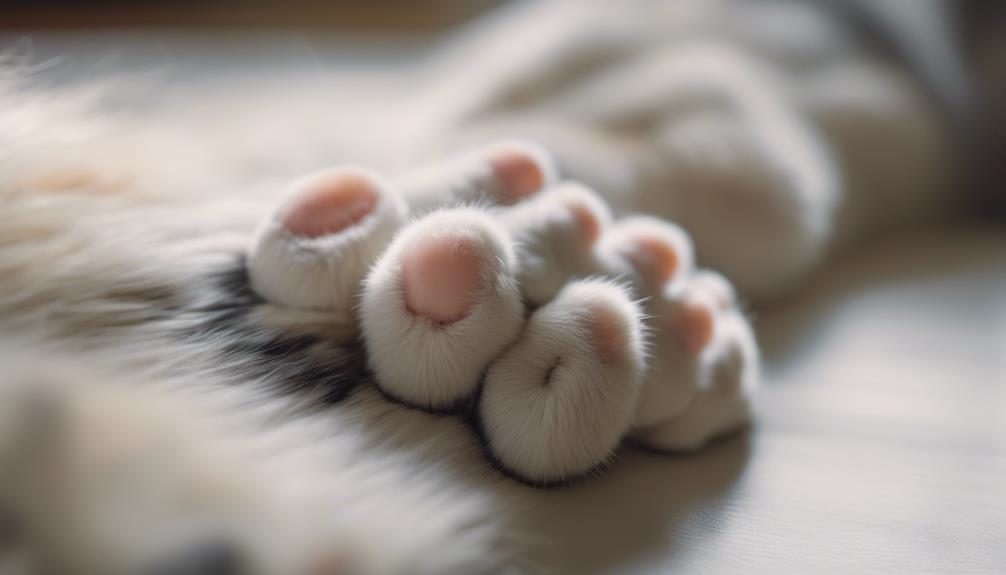
The prevalence of polydactylism in certain cat breeds, such as the Maine Coon and Pixiebob, highlights a distinct genetic trait that manifests in extra toes.
Maine Coon and Pixiebob breeds are commonly associated with polydactylism.
American Polydactyl cats are descendants of polydactyl cats in Key West.
Hemingway's estate in Key West is famous for housing over 60 polydactyl cats.
Extra toes can enhance the unique appearance of Maine Coon cats.
Genetics play a significant role in determining which breeds of cats are more likely to have extra toes.
Care Considerations for Polydactyl Cats
When caring for polydactyl cats, it is essential to regularly trim their extra nails to prevent issues like snagging and overgrowth. Providing appropriate scratching posts can help manage the extra toes and prevent damage to furniture.
Additionally, due to their unique paw structure, polydactyl cats may face challenges with shoe fitting that owners should be aware of.
Nail Trimming Tips
Exercising caution and patience during the nail trimming process is key to maintaining the paw health of polydactyl cats with extra toes. Proper nail care for these unique felines is essential to prevent issues like overgrowth or discomfort.
Here are some essential nail trimming tips for polydactyl cats:
- Trim the extra nails carefully to avoid any injuries.
- Use high-quality cat nail trimmers for precision.
- Reward your polydactyl cat with treats and praise to make the experience positive.
- Monitor the nails regularly to make sure they are at a safe length.
- Seek guidance from a veterinarian if unsure about how to trim the nails properly.
Handling Extra Toes
Careful management of the extra toes on polydactyl cats is essential for maintaining their paw health and overall well-being. Extra toes may necessitate more frequent nail trimming to prevent overgrowth and potential snagging issues. Providing suitable scratching posts can help manage the extra toes and discourage furniture damage. Regular nail care is important for polydactyl cats to sustain their paw health.
Alongside this, ensuring a balanced diet, offering mental stimulation, and scheduling routine vet check-ups are essential for the overall well-being of polydactyl cats. Despite the presence of extra toes, polydactyl cats do not typically experience adverse effects on their overall health and quality of life. Proper care and attention can help these unique felines lead happy and healthy lives.
Shoe Fitting Challenges
Facing unique challenges in footwear due to their extra toes, polydactyl cats may require custom or adjustable shoe options to accommodate their irregular paw structure.
Care considerations for polydactyl cats regarding shoe fitting include:
- The irregular number and placement of toes can make finding proper footwear difficult.
- Shoe sizing may need custom or adjustable options to fit their unique paw structure.
- Regular monitoring and care of their feet are essential for comfort and mobility.
- Specially designed shoes can help protect their extra toes and prevent injuries.
- Ensuring the shoes fit properly is essential for the overall well-being of polydactyl cats.
Can Polydactyl Cats Take Care of Themselves for a Weekend?
If you’re thinking of leaving your cat alone for the weekend, a polydactyl cat is generally able to take care of themselves for a short period. However, it’s essential to ensure they have enough food, water, and a clean litter box before you leave.
Fun Facts About Polydactyl Cats
Polydactyl cats, known for their extra toes, often intrigue and captivate cat enthusiasts with their unique genetic trait. These felines can have more than the typical 18 toes found on regular cats, with some world-record holders boasting up to 10 extra toes. The polydactyl gene has a 50% chance of being passed on to offspring, leading to varying numbers of extra toes depending on the cat's genetic makeup. Certain breeds like the Maine Coon and Pixiebob are more predisposed to having extra toes due to genetics. This fascinating aspect of polydactyl cats adds a fun twist to understanding the inheritance and diversity of toe numbers among different feline companions.
| Fun Facts About Polydactyl Cats | |
|---|---|
| More than 18 toes possible | 50% inheritance |
| World-record: up to 10 extra toes | Maine Coon/Pixiebob breeds |
| Varying toe numbers in polydactyl cats | Not a rare trait |