
Cats scratch furniture due to their natural need for claw maintenance, territorial marking, and emotional expression. Understanding these reasons is key to managing their scratching behavior effectively. Cats' innate instincts drive this behavior, making it common among felines. Providing appropriate scratching alternatives like posts and pads can redirect their behavior positively. Cat deterrent sprays and interactive play sessions also help curb furniture scratching. For a harmonious cat-human relationship, investing in training and enrichment opportunities is crucial. Learning more about cats' scratching habits is essential in fostering a healthier bond with your feline companion.
Reasons for Cats Scratching Furniture

Cats scratch furniture primarily to maintain their claw health and condition. This innate behavior is also a way for them to mark their territory through scent glands located in their paws. By scratching, cats leave both visual and olfactory cues for other animals.
Additionally, furniture scratching can serve as an emotional outlet for cats, helping them relieve stress or boredom. Understanding that this behavior is an essential instinct rather than a malicious act is vital. Providing appropriate scratching posts or pads can redirect this behavior away from valuable furniture items.
Understanding Cat Scratching Behavior
Understanding cat scratching behavior is essential for cat owners. This knowledge helps them redirect their pets' natural instinct to scratch furniture. By comprehending cats' innate need to scratch for claw maintenance, territory marking, and pleasure, owners can implement strategies to protect their furniture and provide appropriate scratching outlets.
Redirecting a cat's behavior towards designated scratching posts or pads can help maintain a harmonious relationship between cats and their owners.
Cats' Natural Scratching Instinct
A cat's natural scratching instinct is an essential behavior rooted in their biology and social communication mechanisms. Understanding this behavior can help cat owners provide appropriate alternatives and prevent damage to furniture. Here are some key points to keep in mind:
- Claw Maintenance: Cats scratch to shed old claw husks and promote new growth, keeping their claws healthy.
- Territorial Marking: Scratching allows cats to mark their territory and communicate with other cats through scent, establishing boundaries.
- Emotional Outlet: Scratching serves as an emotional release for cats, helping them relieve stress and anxiety, promoting their overall well-being.
- Innate Behavior: While not all cats scratch furniture, the majority exhibit this behavior due to their innate instincts, making it important to understand and address.
Redirecting Cat's Behavior
Scratching behavior in cats can be effectively redirected through strategic placement of appropriate scratching surfaces. Providing scratching posts and boards can help guarantee cats' natural scratching instincts. Understanding why cats scratch, such as for claw health and territory marking, aids in redirecting behavior towards these surfaces.
Cats may also scratch furniture out of boredom, lack of stimulation, or stress. By incorporating positive reinforcement and training, it is possible to deter cats from damaging furniture. Redirecting the cat's behavior towards designated scratching areas not only safeguards your furniture but also ensures the well-being of your feline companion.
Encouraging the use of scratching posts through rewards and consistent training establishes a positive association with these appropriate surfaces, ultimately preventing unwanted scratching behavior.
Impact of Exercise on Cat Scratching
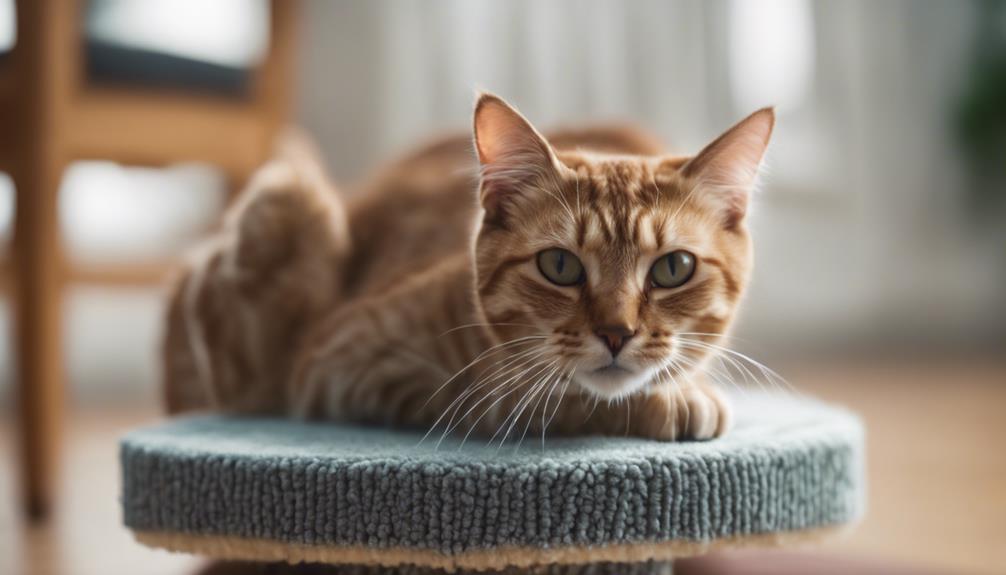
Regular physical activity plays a crucial role in influencing a cat's scratching behavior and overall well-being. When considering the impact of exercise on cat scratching, several key points emerge:
- Exercise: Scratching provides cats with a form of exercise, engaging various muscle groups essential for their health.
- Claw Maintenance: Cats need to scratch to maintain healthy claws, shedding old husks, and promoting new growth.
- Stimulation: Lack of exercise can lead to boredom, prompting cats to scratch furniture for mental and physical stimulation.
- Preventative Measures: Engaging in scratching activities can help prevent obesity and promote agility in cats, contributing to their overall well-being.
Providing Suitable Scratching Alternatives
To effectively redirect cats from damaging furniture, it is essential to provide suitable scratching alternatives such as posts and pads.
Scratching posts offer cats a designated area to fulfill their scratching instincts, helping to deter them from scratching furniture.
Cats may prefer different textures and heights for scratching, so offering a variety of alternative surfaces is important.
By encouraging cats to use these scratching posts and pads, you can stop your cat from scratching furniture and promote their well-being.
Providing these alternatives not only protects your furniture but also allows cats to engage in their natural behavior in a more appropriate manner.
Importance of Cat Deterrent Sprays
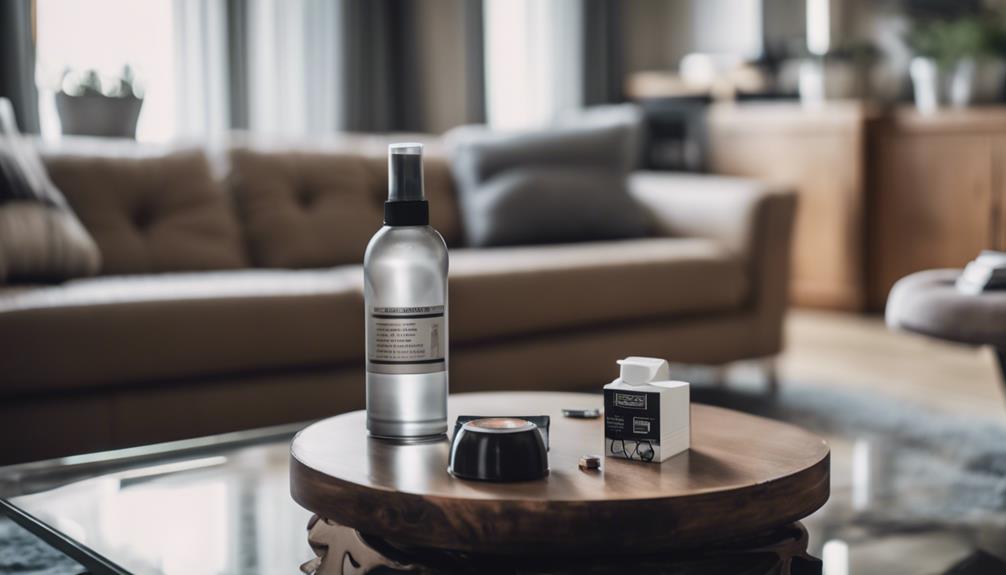
Cat deterrent sprays, containing natural or synthetic ingredients that cats find unpleasant, play an important role in redirecting feline scratching behavior away from furniture. These sprays protect furniture from damage caused by scratching and help establish positive scratching habits.
Here are four reasons why cat deterrent sprays are essential:
- They discourage cats from scratching furniture by making the surface unpleasant.
- Cat deterrent sprays are safe for both cats and furniture, providing an effective solution.
- The scent of these sprays acts as a repellent, creating a negative association with scratching.
- Regular use of cat deterrent sprays helps train cats to avoid furniture and promotes positive scratching behavior on appropriate surfaces.
Encouraging Playtime and Interaction
Promoting interactive play sessions with your feline companion can effectively reduce unwanted furniture scratching behavior. Engaging in activities like using stimulating toys, a cat tree, or interactive play sessions can satisfy your cat's need for mental and physical stimulation, redirecting their energy away from furniture.
These play sessions not only provide essential exercise but also help strengthen the bond between you and your cat, reducing their stress and boredom. Encouraging playtime can lead to a healthier and more active lifestyle for your cat, decreasing the likelihood of destructive scratching.
Tips for Reducing Furniture Scratching
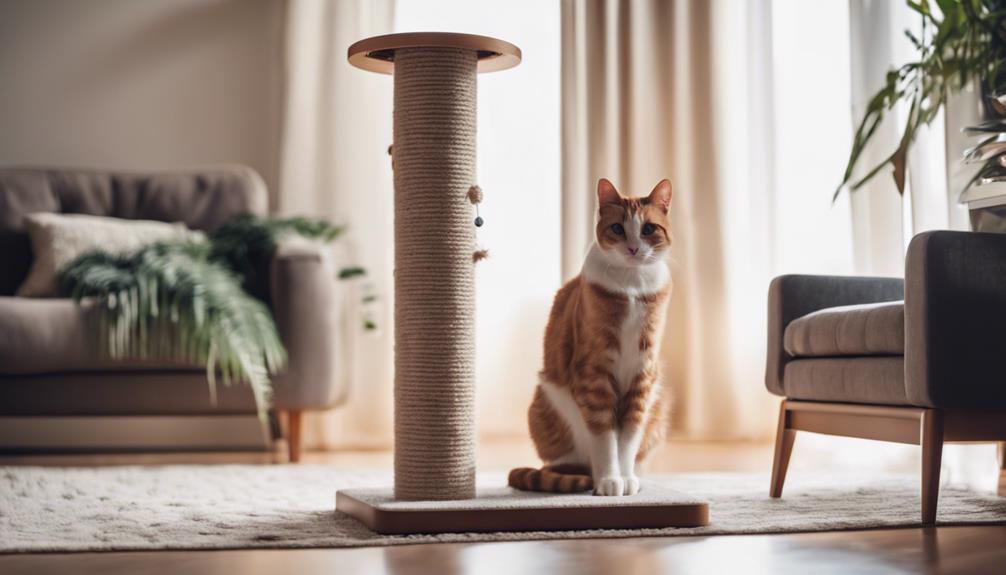
Encouraging regular engagement with appropriate scratching surfaces can greatly decrease unwanted furniture scratching behavior in cats. To help reduce furniture scratching, consider the following tips:
- Provide Multiple Scratching Posts: Offering various scratching surfaces can give cats options and help prevent them from turning to furniture.
- Regular Exercise and Stimulation: Keeping your cat active and mentally stimulated can decrease the likelihood of furniture scratching due to boredom.
- Use Cat Deterrents: Sprays or deterrents can be applied to furniture to discourage scratching and redirect cats to designated scratching areas.
- Reward-Based Training: Positive reinforcement techniques can effectively teach cats to use scratching posts instead of furniture, promoting good behavior.
Are British Shorthair Cats More Prone to Scratching Furniture?
British Shorthair cats are not necessarily more prone to scratching furniture compared to other breeds. However, like all cats, they have natural scratching instincts. Providing appropriate scratching posts and regularly trimming their nails can help minimize “british shorthair cat scratching” and protect your furniture.
Maintaining a Happy Cat-Human Relationship
Developing a strong bond between feline companions and their human counterparts is vital for fostering a harmonious and fulfilling relationship. Cats scratch as a natural behavior to mark their territory, exercise their muscles, and shed the outer layers of their claws. While some cats may be inclined to scratch furniture and carpets, it's important to understand that not all cats exhibit this behavior.
Providing appropriate scratching posts or pads can help redirect their behavior and prevent damage to household items. Understanding the reasons behind furniture scratching, such as boredom or stress, is essential in maintaining a happy cat-human relationship. By investing time in training, offering enrichment opportunities, and redirecting unwanted behavior, both cats and their human companions can enjoy a peaceful coexistence.