
Cats' responses to kisses vary. Some enjoy by leaning in, while others may back away or hiss, signaling discomfort. Observing body language is essential to understand their preferences and boundaries. Showing affection through chin rubs, gentle petting, and play can be more appreciated. Cats perceive kisses as care, sensing the intention behind them. Respecting their reactions helps in building trust and a loving relationship. Consider their comfort and response to different gestures. Further insights can help deepen your bond with your feline companion.
Cat Reactions to Human Kisses
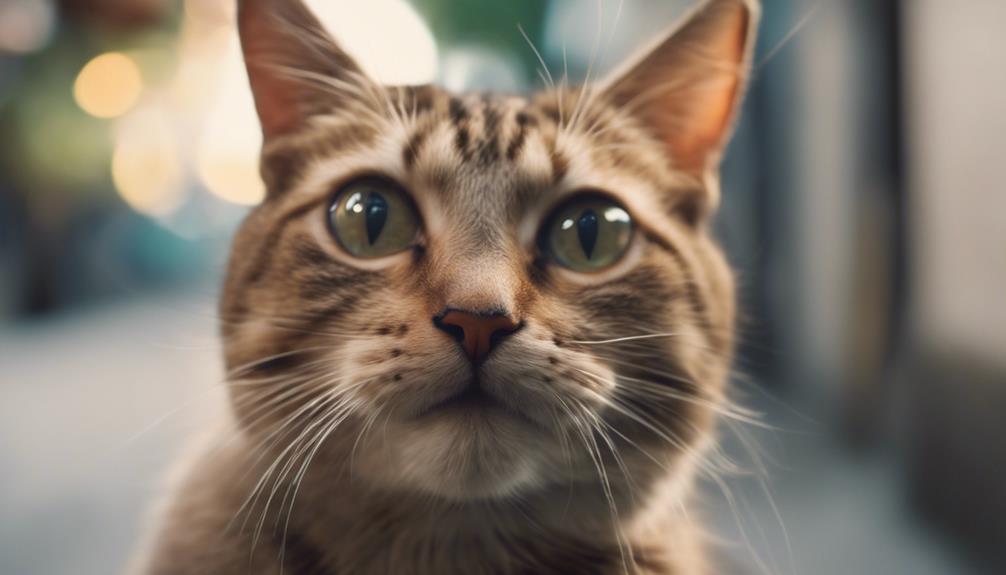
Frequently, cats exhibit varying reactions to human kisses, reflecting their individual preferences and emotional states. Some cats may lean into kisses, showing a positive response to affection and feelings of safety.
Conversely, other cats might back away or hiss, indicating discomfort or a negative reaction. Understanding a cat's body language and reactions to kisses can help establish boundaries and respect their preferences for affection.
Understanding Cats' Affection Preferences
Understanding the preferences of cats when it comes to affection is essential for fostering a harmonious relationship with your feline companion. Cats may show love through various ways, and some may enjoy kisses on their head or cheeks.
It's vital to respect their individual preferences and observe their body language to determine if they appreciate kisses. Trust and understanding your cat's boundaries are key when showing them affection.
Signs of Cats Disliking Kisses
Exploring the behaviors that indicate a cat's dislike for kisses can provide valuable insights into respecting their boundaries and preferences in affectionate interactions.
Cats may avoid kisses by moving away, pulling their ears down, hissing, or flattening their ears to the side. These actions serve as clear indications that a cat dislikes being kissed and can show displeasure or discomfort when receiving such affection.
Alternatives to Kissing for Cat Affection
When seeking alternative ways to express affection towards cats, consider offering chin rubs, forehead scratches, or gentle petting as preferred alternatives to kissing.
- Engage in interactive play sessions with toys.
- Provide occasional treats in moderation.
- Spend quality time together engaging in activities they enjoy.
- Communicate through gentle talking and maintain eye contact for a strong bond.
Cats' Perception of Love Through Kisses
Cats perceive love through kisses as a form of affection and care from their human companions. While cats may not grasp the concept of kisses as humans do, they can sense the intentions behind the gesture.
Understanding a cat's response to kisses involves observing their reactions, body language, and preferences to establish a strong bond based on mutual trust and respect.
Feline Reaction to Kisses
The response of felines to kisses can serve as a valuable indicator of their perception of affection and security.
- Cats may show affection by leaning in or purring.
- Some cats enjoy being kissed and display signs of contentment.
- Negative reactions like backing away could indicate discomfort.
- Understanding a cat's reaction to kisses aids in fostering a loving and respectful bond.
Bonding With Cat
Bonding with a cat can be enhanced through understanding their perception of affection. Cats may interpret kisses as a way of showing love and care. When a cat enjoys kisses, it can help create a strong bond between the feline and their owner. Positive reactions like purring or leaning into the kisses can indicate the cat's enjoyment.
Recognizing a cat's preferences for affection, including kisses, is crucial for building a deep relationship.
Sign of Affection
Perceiving human kisses as gestures of care and affection, felines often respond positively, indicating a deepening bond between cats and their owners.
- Cats appreciate gentle petting as a way to show love and affection.
- Kissing can be one of the best ways to demonstrate care for your cat.
- Cats may interpret kisses as a sign of love from their human companions.
- Positive responses such as purring or leaning in can signify a cat's enjoyment of kisses.
Ideal Body Parts for Cat Kisses
When it comes to ideal body parts for cat kisses, nose-to-nose bonding and chin scratches are often preferred by felines. These areas are commonly less sensitive and can provide a comforting experience for your cat.
Understanding your cat's response to affectionate gestures can help you determine their preferred spots for kisses.
Nose-To-Nose Bonding
Engage in gentle nose-to-nose interactions with your cat to establish a bond through affectionate gestures.
- Cats understand kisses as a sign of affection.
- Head bunting is a common behavior in cats and humans.
- Nose-to-nose bonding can form a strong connection.
- Respect your cat's boundaries when engaging in affectionate gestures.
Chin Scratches Preferred
When showing affection to your cat, focusing on giving chin scratches is often preferred over kisses for many felines. Most cat breeds enjoy the soothing sensation and trust-building aspect of chin scratches.
It's a way to show your cat that you care and understand their preferences. By offering chin scratches, you let your cat know that you respect their boundaries and want to strengthen your bond through a calming and enjoyable activity.
Respecting Cats' Personal Space
Respecting cats' personal boundaries is essential for nurturing a healthy and trusting relationship with your feline companion.
- Understanding a cat's personal space boundaries promotes mutual respect.
- Recognizing a cat's body language signals when they need space.
- Avoiding intrusions on a cat's personal space can prevent stress and discomfort.
- Allowing cats the freedom to choose when to approach for affection can strengthen the bond between cat and owner.
Showing Love Without Kisses
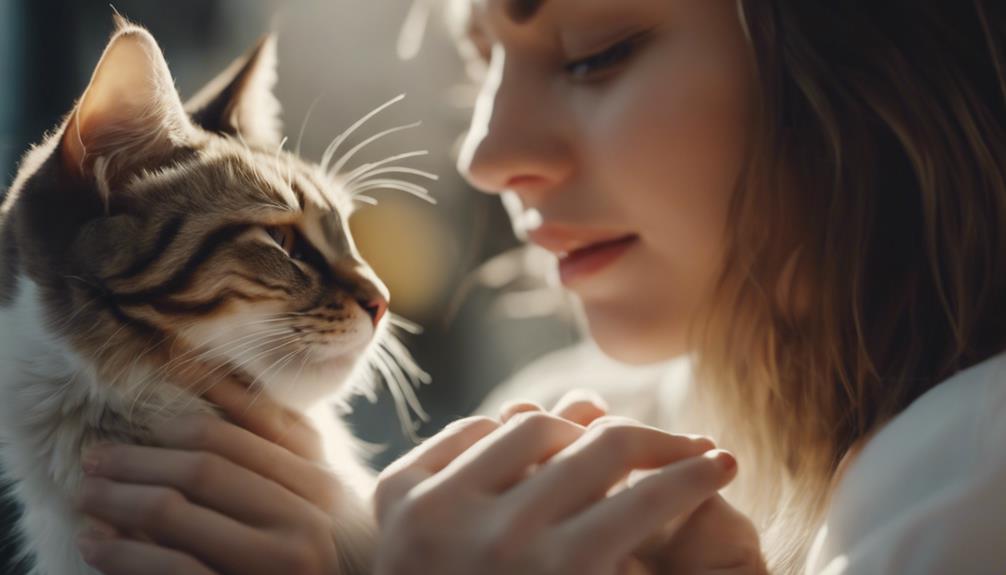
Demonstrating affection towards cats can be effectively achieved through alternative gestures such as petting, nuzzling, and gentle interactions, rather than relying on kisses. Understanding your cat's preferences is essential. Signs of affection include purring and body language cues. Avoid petting sensitive areas like the belly. By being attentive to your cat's reactions, you can show love and nurture a strong bond without kisses.
| Gestures | Importance | Effects |
|---|---|---|
| Petting | Shows care | Calming |
| Nuzzling | Bonding moment | Trust-building |
| Gentle interactions | Affection display | Strengthening connection |
Do Deaf Cats Show Affection Differently When Given Kisses?
Deaf cats affection level is often displayed differently when it comes to receiving kisses. Instead of responding to sound, they may rely on physical cues and vibrations. Some deaf cats may show their affection through increased purring, kneading, or snuggling when given kisses, demonstrating their love in unique ways.
Tips for Building a Loving Bond With Your Cat
To nurture a strong and loving bond with your feline companion, it is essential to invest quality time in understanding and meeting their individual needs and preferences.
- Spend quality time engaging in activities your cat enjoys.
- Learn your cat's communication cues to respond appropriately.
- Use positive reinforcement to encourage desired behavior.
- Respect your cat's boundaries and preferences for a harmonious relationship.