
Sevin Dust should not be used on cats to kill fleas because it contains pyrethrin, which is toxic to felines. Cats struggle to metabolize pyrethrins efficiently, leading to severe reactions like vomiting, diarrhea, and even seizures. It is important to avoid pyrethrin products for flea control on cats. Instead, opt for safer alternatives like veterinary-prescribed flea treatments. These alternatives are specially formulated for feline use and are less likely to cause harm. Choosing the right flea control method is vital for your cat's well-being and safety.
Potential Risks of Using Sevin Dust
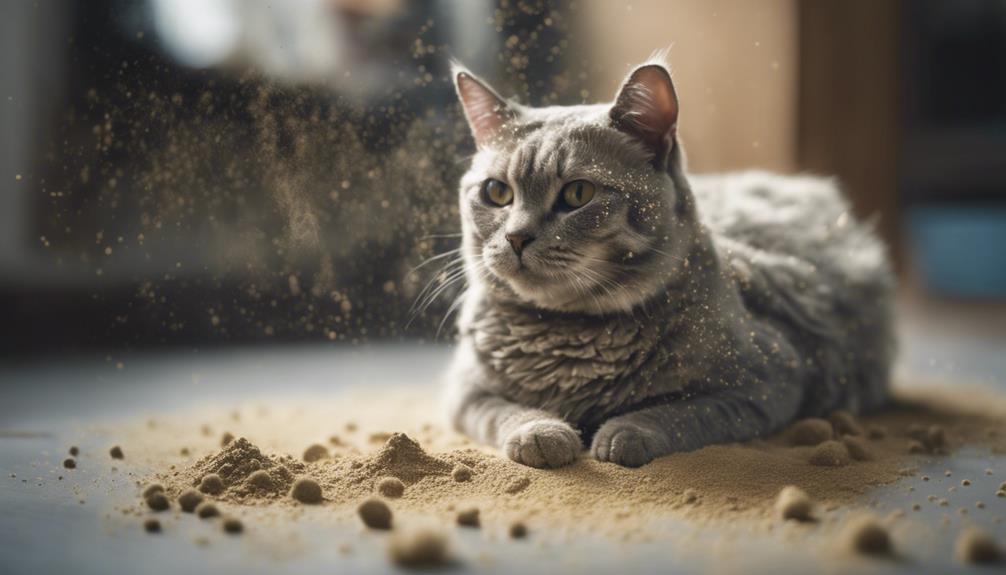
Using Sevin Dust on cats can pose serious risks due to its toxic nature, particularly stemming from the presence of pyrethrin, a substance that cats struggle to metabolize effectively.
Cats are highly sensitive to pyrethrins, commonly found in insecticides. When exposed, cats may experience adverse reactions like vomiting, diarrhea, and seizures.
It is essential for cat owners to avoid using products containing pyrethrins, especially when dealing with fleas.
Alternatives to Sevin Dust for Cats
When seeking alternatives to Sevin Dust for treating fleas on cats, veterinary-prescribed flea treatments like shampoos, sprays, or oral medications are recommended. These products are safe for feline use and effectively eliminate fleas at various stages of their life cycle, including killing the eggs. Additionally, it is crucial to treat pet bedding to prevent reinfestation. Here is a comparison table of some common alternatives:
| Treatment Type | Effectiveness | Application Frequency | Targeted Flea Stages |
|---|---|---|---|
| Shampoos | High | Every 2-4 weeks | Adult fleas |
| Sprays | Medium | Every 1-2 months | Eggs, larvae, adults |
| Oral Medications | High | Monthly | Eggs, larvae, adults |
Understanding Flea Life Cycle on Cats
Fleas on cats progress through distinct life stages: egg, larva, pupa, and adult. Understanding this cycle is essential for preventing flea infestations and selecting effective treatments for cats.
Cat Flea Life Stages
Understanding the life cycle of cat fleas is crucial for effective flea control on cats. Cat flea larvae feed on organic debris and adult flea feces, while pupae develop within a cocoon, making them resistant to treatment. Targeting treatments to eliminate fleas at all stages, including larvae and pupae, is vital for preventing reinfestation.
Proper treatment of the cat, indoor environment, and outdoor areas is essential for effective flea control.
Flea Infestation Prevention
Understanding the various life stages of cat fleas is essential for implementing effective strategies to prevent and control flea infestations on cats. Fleas progress through egg, larva, pupa, and adult stages, making the larval stage most susceptible to treatment.
Regular grooming and cleaning of cat living areas disrupt the flea life cycle. Vet-approved flea prevention products like topical treatments or oral medications are vital for killing fleas on cats.
Consulting a veterinarian for personalized advice is paramount for effective flea treatment.
Effective Flea Treatments
An essential aspect of effectively managing flea infestations on cats involves utilizing appropriate and vet-approved treatments tailored specifically for feline use. Vet-approved flea treatments for cats include shampoos, powders, sprays, and oral medications designed to target fleas without being toxic to cats. It's important to avoid using products containing pyrethrins, like Sevin Dust, which can be harmful to felines.
| Treatment Type | Description | Safety for Cats |
|---|---|---|
| Shampoos | Vet-prescribed to eliminate fleas | Vet Approved |
| Powders | Applied to cat's fur to kill fleas | Vet Approved |
| Sprays | Designed to repel and kill fleas | Vet Approved |
| Oral Medications | Ingested to target fleas internally | Vet Approved |
Safe Flea Control Methods for Cats
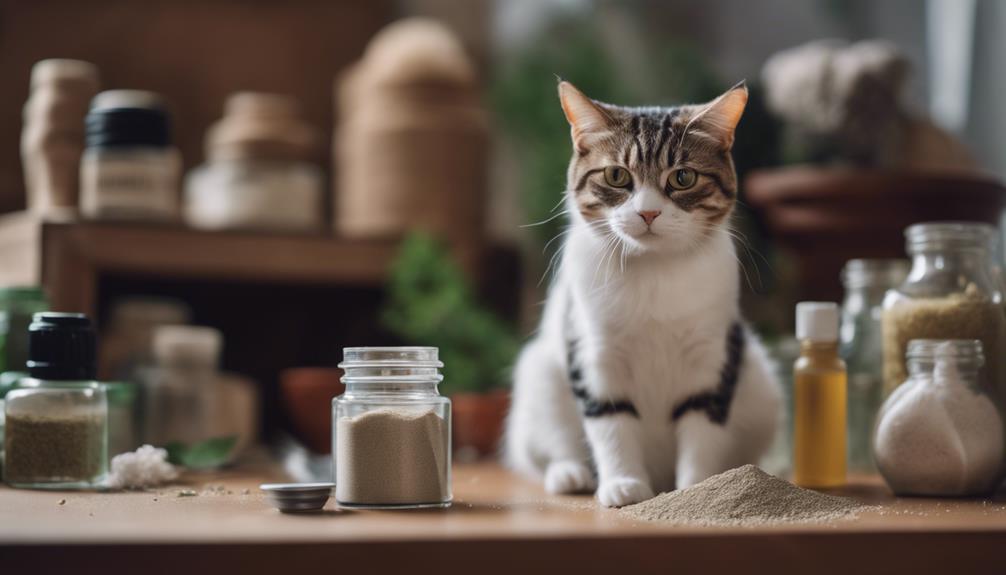
When it comes to keeping your feline friend flea-free, opting for natural remedies and cat-friendly flea products is essential. Natural flea remedies such as essential oils and herbal solutions can help repel fleas without putting your cat's health at risk.
Additionally, using vet-approved flea shampoos, powders, sprays, or oral medications can effectively control fleas on your cat while ensuring their safety.
Natural Flea Remedies
Natural methods for controlling fleas on cats offer safe alternatives to chemical treatments, utilizing ingredients such as essential oils like lavender, peppermint, and cedarwood.
Diatomaceous earth, a natural powder, can effectively kill fleas by dehydrating them.
Additionally, regular grooming with a flea comb aids in removing fleas and their eggs from a cat's fur.
Herbal flea collars made with ingredients such as chamomile and eucalyptus can also help repel fleas.
Cat-Friendly Flea Products
Shifting from exploring natural flea remedies for cats, safe and effective options in the form of vet-prescribed shampoos, powders, sprays, and oral medications are available for controlling fleas on cats. These cat-friendly flea products are vet reviewed and specifically formulated to be safe for felines. Consult your veterinarian for tailored recommendations. Below is a table showcasing some recommended cat-friendly flea products:
| Product Type | Description |
|---|---|
| Shampoos | Vet-prescribed and gentle on cat's skin |
| Powders | Effective flea control for cats |
| Sprays | Easy application for cat-friendly use |
| Oral Medications | Prescription-based for internal flea control |
| Professional Exterminator Services | Safe home flea treatment for cats |
Importance of Veterinary Consultation
Before applying any flea control product on cats, seeking veterinary consultation is essential to guarantee the safety and effectiveness of the treatment. Vets can provide guidance on safe products tailored to cats, preventing exposure to harmful chemicals.
They also offer advice on proper application techniques, considering cats' unique physiology. Consulting a vet ensures the well-being of cats and maximizes the success of flea control treatments.
Signs of Flea Infestation in Cats
When observing your cat for signs of flea infestation, it's important to pay attention to common indicators that may suggest the presence of these parasitic pests. Look for excessive itching, scratching, and skin irritation in your cat.
Presence of flea dirt or flea eggs in the fur also signals flea infestations. If you notice these signs, it's essential to address the issue promptly to protect your cat's health and comfort and treat your home.
Precautions When Dealing With Fleas
When dealing with fleas, it is important to avoid using Sevin Dust on cats as it is toxic to them. Make sure to opt for vet-prescribed flea treatments specifically made for cats.
Keep cats away from areas treated with Sevin Dust to prevent exposure.
Always follow safety precautions when dealing with flea control products and monitor your cat for any signs of discomfort or toxicity after using flea control products.
Can Vacuuming Be Used as an Alternative Method to Kill Fleas on Cats Instead of Using Sevin Dust?
Yes, vacuuming fleas on cats can be an effective alternative to using Sevin Dust. Regular vacuuming can help remove fleas and their eggs from your cat’s fur and your home. Be sure to empty the vacuum bag or canister immediately after use to prevent fleas from re-infesting your space.
Effective Flea Treatment Options for Cats
To effectively treat fleas on cats, it is essential to opt for vet-prescribed shampoos, powders, sprays, or oral medications that are safe and specifically formulated for feline use. Avoid using dog flea products, as they can be harmful to cats.
Professional exterminators can apply pet-friendly chemicals for home flea treatment. Topical treatments approved by veterinarians are a reliable option for controlling fleas on cats.