
Indoor cats may get fleas from humans carrying them in or from other pets in the household. Fleas can hide on clothing and move onto cats easily. Pets like outdoor animals or visiting companions can also introduce fleas. Shared spaces like carpets and bedding can harbor flea eggs. Fleas survive well indoors, even without hosts. Essential measures are crucial to protect indoor cats. Learn more about how to safeguard your cat from these pesky pests.
Fleas Hitching a Ride on Humans
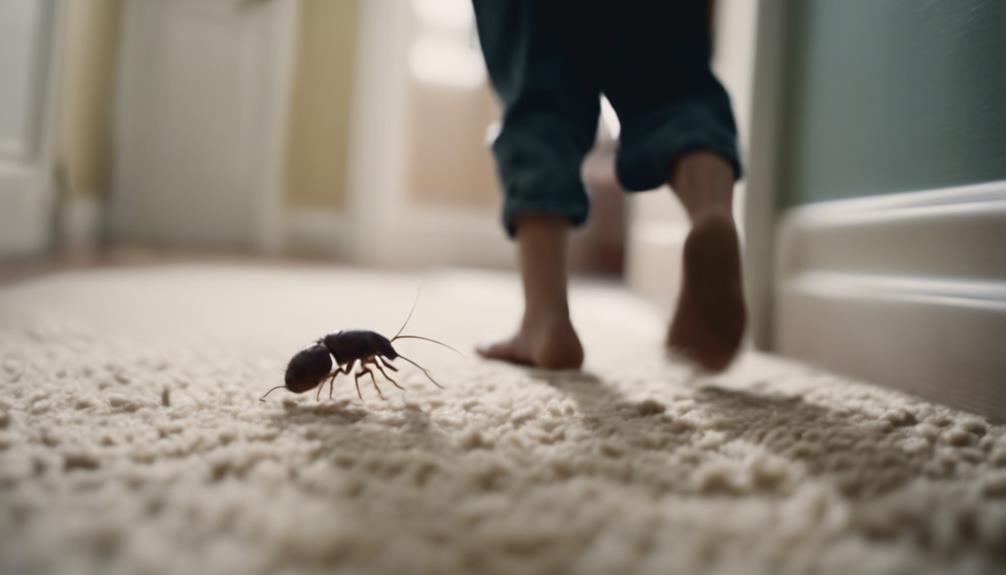
Fleas hitching a ride on humans pose a common risk for indoor cats to become infested with these parasites. When individuals who have been in infested areas come into contact with indoor cats, fleas can easily transfer.
Visitors with pets may unknowingly bring fleas into homes, which can then be passed on to indoor cats. These pests can remain hidden on clothing and jump onto indoor cats, leading to infestations.
Fleas Latching Onto Other Pets
Fleas are adept at latching onto other pets within a household, making it important to understand the various ways they can spread. Whether it's from outdoor pets, visiting animals, or even humans unknowingly carrying these pests, the risk of fleas transferring between pets is real.
Implementing preventative measures is key to safeguarding all pets in shared environments from potential flea infestations.
Fleas on Outdoor Pets
Outdoor pets can contribute to the potential spread of fleas onto indoor cats in various ways. Fleas can easily transfer from outdoor pets to indoor cats through shared spaces, bedding, or carpets. Even without direct contact, infestations on outdoor pets can lead to flea transmission. Preventive flea treatments for both outdoor and indoor pets are essential to mitigate the risk of flea infestations and protect indoor cats from these parasites.
Outdoor pets can contribute to the potential spread of fleas onto indoor cats in various ways. Fleas can easily transfer from outdoor pets to indoor cats through shared spaces, bedding, or carpets. Even without direct contact, infestations on outdoor pets can lead to flea transmission. Preventive flea treatments for both outdoor and indoor pets are essential to mitigate the risk of flea infestations and protect indoor cats from these parasites.
Fleas From Visiting Animals
Visiting animals, whether they are neighbor pets or wildlife, can inadvertently introduce fleas into households, potentially leading to infestations on indoor cats. Consistent flea prevention for all pets and thorough grooming before interaction can help prevent transmission. Check out the table below for a summary of how fleas from visiting animals can impact indoor cats:
| Factors to Take into Account | Indoor Cat Flea Risk |
|---|---|
| Visiting Pets | High |
| Flea Prevention | Essential |
| Grooming | Important |
| Infestation Potential | Significant |
| Prevention Strategies | Treat all pets, groom visiting animals |
Fleas Carried by Humans
When humans inadvertently bring fleas into their homes on their clothing or belongings, indoor cats are at risk of becoming infested. Fleas, acting as hitchhiker pests, can easily transfer from humans to indoor cats, especially after contact with infested areas.
Even visitors with pets can unknowingly introduce fleas to indoor environments, posing a threat to the feline residents. It's important to be vigilant and take preventive measures to protect indoor cats from these unwanted parasites.
Fleas Infesting Shared Spaces
Shared living spaces can serve as breeding grounds for flea infestations in indoor cats, particularly when pets like dogs are involved.
- Fleas can easily transfer from infested dogs to indoor cats within the same household.
- Carpets, furniture, and bedding where infested pets rest can harbor fleas that then affect indoor cats.
- Regular cleaning and preventive flea treatments for all pets can help reduce the risk of flea infestations in shared spaces.
Fleas Dormant in New Homes

Fleas can lie dormant for extended periods in new homes, poised to infest pets that enter the environment. Infestations from previous pets or used furniture can introduce fleas into a fresh setting.
Once pets move in, especially in areas they frequent, fleas may emerge. Treating a new house appropriately before bringing in pets is essential in preventing flea infestation.
Vigilance and preemptive measures are key to combating this issue.
Fleas Transferring Without Direct Contact
Fleas can find their way to indoor cats indirectly, such as by hitching rides on humans or pets visiting the home. These tiny parasites can lurk in clothing or infested areas, waiting to jump onto a cat when the opportunity arises.
Even without direct contact with an infested animal, fleas can transfer to indoor cats through various indirect means.
Indirect Flea Transmission
Indoor cats can inadvertently acquire fleas through indirect transmission, facilitated by various items and visitors entering the household.
- Flea eggs can be brought into the new home on clothing or shoes.
- Fleas can jump onto indoor cats from infested objects.
- Visitors with pets can unknowingly introduce fleas, leading to transmission to indoor cats.
Fleas via Secondary Host
Transferring between pets within a shared living environment, fleas can find their way onto indoor cats even without direct contact. To understand how fleas move to indoor cats via secondary hosts, consider the following table:
| Scenario | Description | Risk for Indoor Cats |
|---|---|---|
| Dogs bringing fleas into the house | Fleas from dogs can infest shared spaces like carpets and bedding, potentially reaching indoor cats | Moderate |
| Flea-infested furniture or pet belongings | Infected items can harbor fleas, transferring them indirectly to indoor cats | Low to Moderate |
| Shared living spaces with other pets | Fleas can move between pets in the house, increasing the chances of infestation in indoor cats | High |
| Lack of regular flea treatments for all pets | Without preventive care, fleas can thrive on one pet and spread to others, including indoor cats | High risk without proper prevention |
Fleas Emerging in Pet Living Areas

How do these tiny parasites find their way into the sanctuary of our homes, putting our beloved indoor cats at risk?
- Flea eggs from outdoor animals can lead to infestations in indoor living areas.
- Infested pets or used furniture from flea-ridden homes can transfer fleas to indoor spaces.
- Wild animals like raccoons can carry fleas into your home, posing a threat to indoor cats.
Fleas Surviving Without Hosts
Fleas have the remarkable ability to survive for extended periods without a host, strategically concealing themselves in various household surfaces such as carpets, furniture, and bedding.
| Flea Stage | Description |
|---|---|
| Eggs | Laid in the environment, can remain dormant |
| Larvae | Feed on organic debris, develop in the environment |
| Pupae | Form protective cocoons, can stay dormant for months |
Fleas Spreading Through Furniture
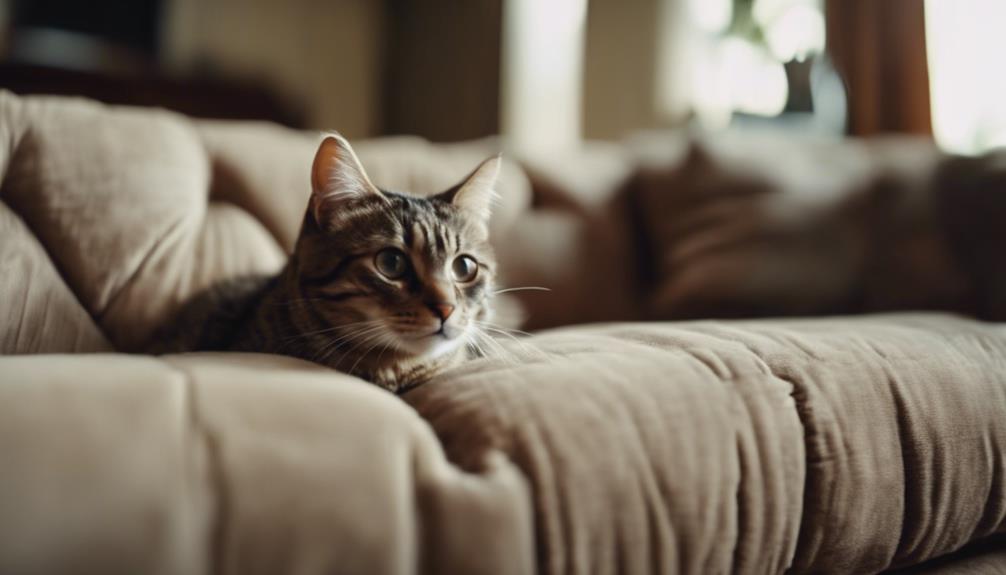
Fleas can easily spread through furniture such as upholstery, bedding, and carpets in homes. These surfaces provide ideal environments for fleas to hide, lay eggs, and infest.
Regular cleaning practices like vacuuming and deep cleaning can help prevent flea infestations from taking hold in furniture and spreading to indoor cats.
Fleas in Upholstery
Furniture upholstery serves as a potential hiding place for fleas, allowing these pests to spread throughout indoor environments.
- Fleas can lay eggs in upholstery, leading to flea infestations in indoor cats.
- Fleas can transfer from infested furniture to pets upon contact.
- Regular vacuuming, steam cleaning, and treating upholstery with flea sprays can help prevent reinfestation.
Infested Bedding Transmission
Amidst the cozy confines of indoor environments, unsuspecting bedding can serve as a silent conduit for the transmission of fleas, stealthily harboring eggs, larvae, and pupae.
Infested bedding, including used furniture like beds and sofas, can harbor flea eggs and larvae, potentially leading to infestations that can affect indoor cats.
Regularly washing and treating bedding, along with vacuuming furniture, are essential steps to prevent the spread of fleas to indoor cats.
Carpet Flea Infestation
Within indoor environments, the presence of carpet flea infestations poses a significant threat to the well-being of household pets, particularly indoor cats.
- Fleas can lay eggs in carpets, perpetuating the infestation.
- Vacuuming carpets regularly disrupts the flea life cycle.
- Professional carpet cleaning eliminates flea eggs and larvae effectively.
Fleas Hiding in Carpets
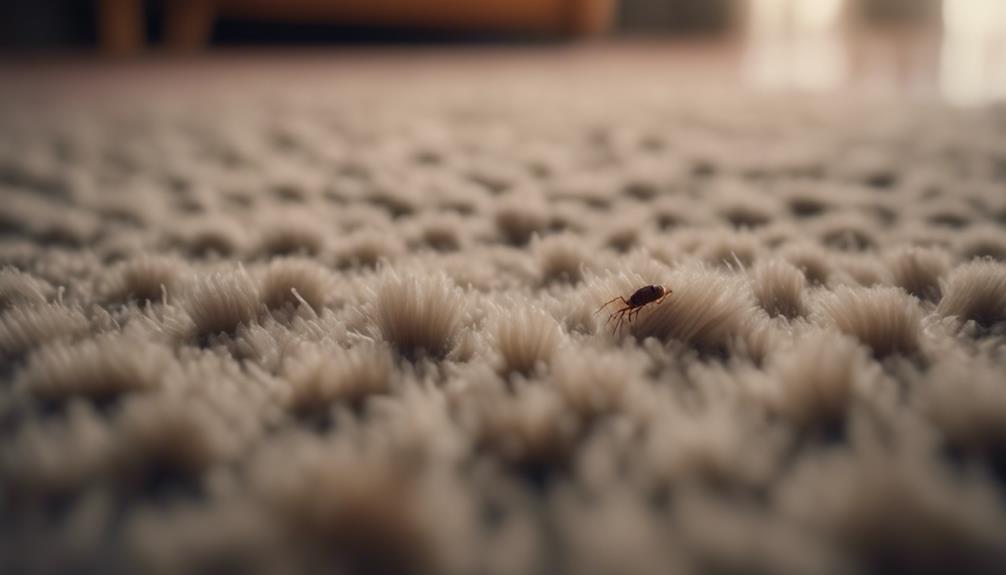
Carpets serve as a favored hiding place for flea eggs, larvae, and pupae due to the conducive warm and dark environment they provide for flea development.
| Flea Stage | Description |
|---|---|
| Egg | Tiny, white |
| Larvae | Small, worm-like |
| Pupae | Encased in a cocoon |
Regular vacuuming and steam cleaning can help eliminate these hidden pests, preventing potential infestations in indoor spaces.
Can Indoor Cats Still Get Fleas Even with a Flea Collar?
Yes, indoor cats can still get fleas even with a flea collar. Flea collars for cats can be effective in preventing flea infestations, but they are not always 100% foolproof. Fleas can still find their way onto your cat through other means, so it’s important to be vigilant with flea prevention.
Fleas Resilient to Indoor Environments
Indoor environments provide a perfect setting for fleas to persist and thrive, posing a continuous challenge for pet owners in safeguarding their indoor cats against these resilient pests.
- Fleas can survive indoors without a host
- Flea eggs, larvae, and pupae hide in various indoor surfaces
- Fleas introduced through humans, pets, or infested items