
The estimated global cat population is around 600 million, placing them as the second most common mammal species worldwide. Asia and Africa have the highest concentrations of cats. House cats are the most numerous breed. Factors like urbanization, culture, and resources influence cat numbers. The United States, China, Russia, and Brazil are among the top countries with high cat populations. Reproductive rates and human interactions impact cat population growth. Cats play a significant role in ecology. The human-cat dynamic is complex and varied. Discover the fascinating world of cat facts and their global impact.
Global Cat Population Estimates
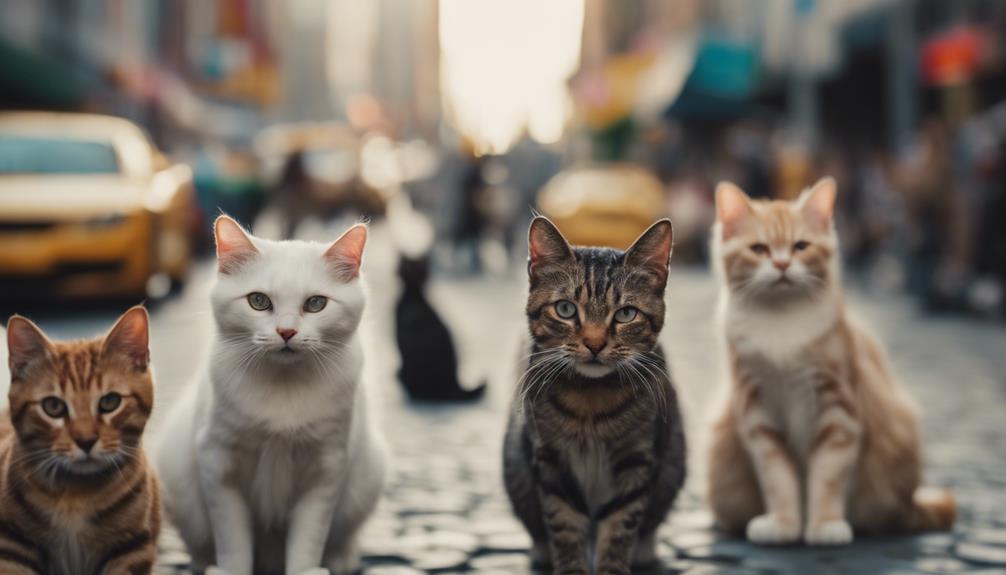
The estimated global cat population stands at approximately 600 million, with Asia and Africa harboring the largest concentrations of these feline creatures. House cats are prevalent, outnumbering other breeds.
Cats are believed to surpass most mammal species in numbers, second only to humans. The distribution of cats across continents varies, with Asia hosting the majority, followed by Africa. These regions play a significant role in the global cat population.
Regional Variances in Cat Densities
Global cat population density varies greatly across regions, with Asia leading in numbers due to its vast landmass and cultural acceptance of cats as pets. Factors such as urbanization, availability of resources, and climate play important roles in influencing cat numbers in different parts of the world.
Additionally, cultural attitudes towards cats, ranging from revered creatures to pests, also impact regional cat densities and the way these animals are treated.
Global Cat Population Density
Regional variances in cat densities highlight the diverse distribution patterns of feline populations across different continents. Cats are more densely populated in urban areas where they are popular as pets. Factors such as cultural attitudes, pet ownership practices, and environmental conditions influence cat densities.
Understanding these variations is essential for effective management and conservation strategies, considering the impact of human population density and habitat suitability on global cat population density.
Factors Influencing Cat Numbers
Factors influencing cat numbers play a significant role in determining regional variances in cat densities. Population density, urbanization, and cultural attitudes towards cats are key determinants. Regions with higher human populations often exhibit more cats, especially in urban areas where households and potential food sources are concentrated.
Cultural practices like caring for community cats and environmental factors such as access to resources and climate also contribute to variations in regional cat populations.
Cultural Attitudes Towards Cats
Cultural attitudes towards cats greatly influence the distribution and abundance of feline populations, reflecting diverse societal perceptions. Regions where cats are revered or seen as auspicious tend to have higher cat densities. Historical ties with humans and religious beliefs also impact cat populations. Variances exist between urban and rural areas in cat numbers. Understanding these influences is essential in comprehending the approximately 220 million cats worldwide.
| Regional Differences in Cat Densities | |
|---|---|
| Sacred/Lucky Cats | Higher Populations |
| Historical Relationships | Cultural Variances |
| Religious Beliefs | Urban vs. Rural Variances |
Top Countries With High Cat Populations
The global landscape of cat populations is particularly influenced by several countries with high concentrations of domestic and stray felines, showcasing the significant presence of these beloved animals in specific regions.
- The United States has an estimated 94 million pet cats and over 41 million stray cats.
- China is home to approximately 65.4 million owned cats and more than 52 million stray cats.
- Russia has around 22.95 million pet cats.
- Brazil boasts approximately 22.1 million pet cats.
Factors Influencing Cat Population Growth
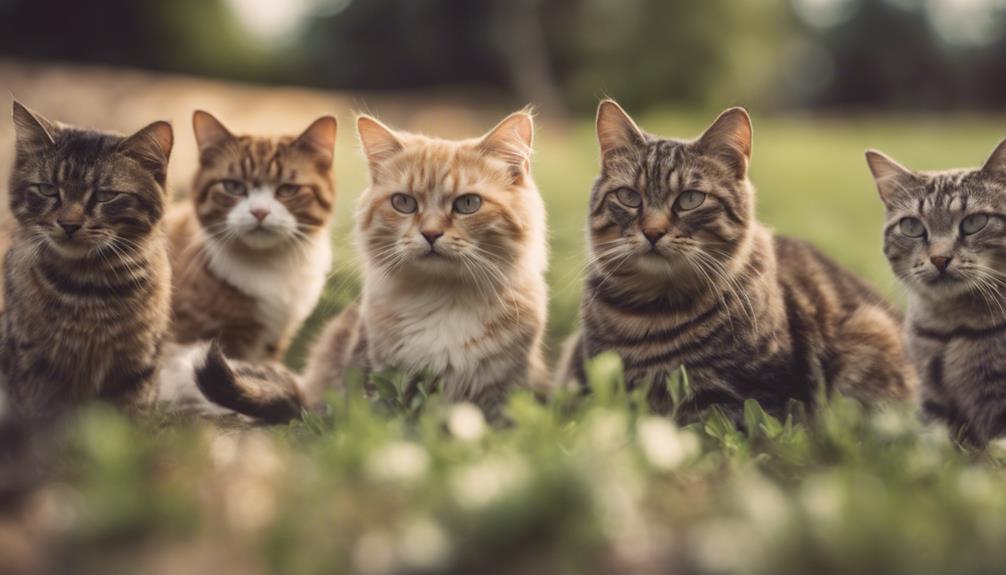
The growth rate of cat populations is influenced by various factors such as their high reproductive rates and the impact of domestication and pet ownership practices.
Additionally, the presence of stray and feral cat populations, the availability of natural resources, and human-animal interactions all play vital roles in shaping the dynamics of cat populations.
Understanding these factors is essential in comprehending the fluctuations in cat populations on a global scale.
Factors Affecting Growth Rate
High reproductive rates greatly contribute to the rapid growth of cat populations worldwide. Factors affecting growth rate include:
- Influence of domestication and pet ownership practices
- Presence of stray and feral cat populations
- Availability of natural resources
- Human-animal interactions and diseases
These elements play vital roles in shaping the size and dynamics of cat populations globally.
Cat Birth Rates
Factors influencing cat population growth through birth rates include various elements such as reproductive potential, environmental factors, and health considerations. Female cats can have multiple litters in a year, with each litter ranging from 1-8 kittens. They reach sexual maturity at 6-9 months, contributing to their significant role in controlling population growth.
Spaying and neutering programs are crucial to manage cat birth rates effectively.
Impact of Cats on Ecology
Having a significant impact on ecology, cats are known for their predatory nature, which contributes to the decline of wildlife populations.
- Feral cat colonies pose a threat to local ecosystems.
- Responsible pet ownership is vital for minimizing ecological impact.
- Conservation efforts are necessary to address challenges.
- Understanding cat populations' ecological implications promotes biodiversity and preserves ecosystems.
Human-Cat Relationship Dynamics

The intricacies of the human-feline bond reveal a complex interplay of companionship and mutual understanding. Cat ownership provides therapeutic benefits, offering stress relief and companionship.
However, concerns about feral animals and their impact on the environment, such as predation on wildlife and the formation of feral cat colonies, highlight the importance of responsible pet ownership.
Balancing the joys of the human-cat relationship with ecological considerations is key to fostering a harmonious coexistence.
What is the Impact of Cats on the Bird Population on Earth?
According to bird deaths by cats statistics, domestic and feral cats have a significant impact on bird populations. They are responsible for a high number of bird deaths each year, threatening the balance of ecosystems. Efforts to control cat populations and keep pet cats indoors can help mitigate this impact.
Fascinating Cat Facts
Cats, with their intriguing behaviors and unique characteristics, have captivated humans for centuries.
- Around 600 million cats exist globally, second only to humans in abundance.
- Asia and Africa host the largest cat populations, with over 400 million in Asia.
- Worldwide, there are 220 million pet cats and 480 million street cats.
- The US boasts the highest pet cat population at 76.5 million, with 41 million strays.