
Determining your cat's crucial weight is essential for their health. Factors like age, breed, and spayed/neutered status influence weight. Visual assessments can indicate if they are under or overweight. Different breeds have specific weight ranges. Body Condition Score (BCS) helps evaluate weight status accurately. Cats can vary greatly in weight by breed. Older cats may experience weight changes due to health conditions. Maintain a healthy weight with portion control, exercise, and regular vet checkups. Consult your vet for personalized guidance on weight management and overall health optimization. Additional insights await for thorough cat weight understanding.
Factors Affecting Cat's Weight
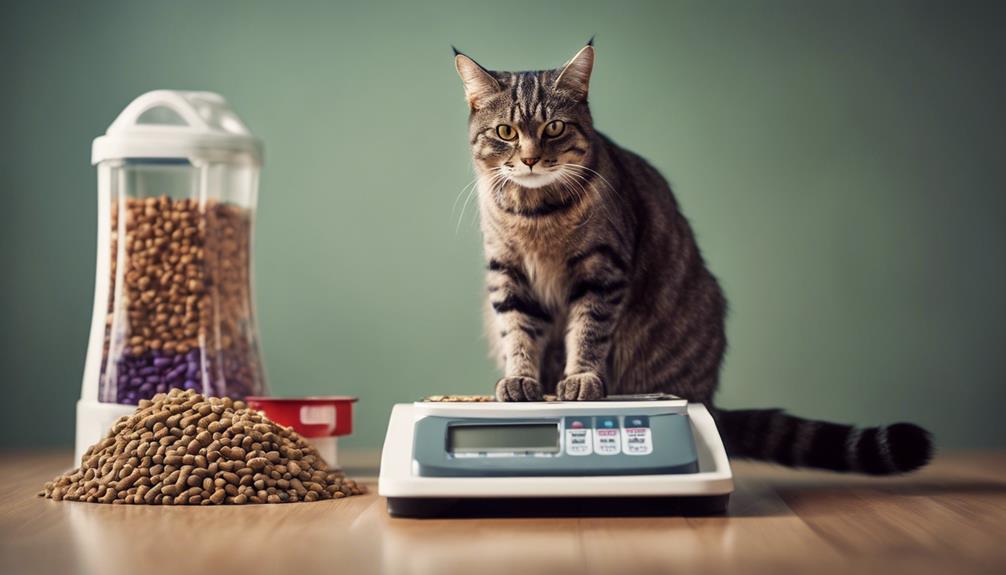
Various factors play a significant role in determining a cat's weight, including age, breed, sex, and spayed/neutered status.
Breed-specific variations exist, such as Siamese cats weighing between 8 to 15 pounds. Veterinarians consider these factors when evaluating a cat's weight health.
Visual evaluations are important in determining if a cat is underweight or overweight, aiding in the appraisal of the cat's ideal weight.
Importance of Body Condition Score
Evaluating a cat's health beyond its weight alone, the Body Condition Score (BCS) serves as an essential tool for veterinarians.
BCS involves visually and physically examining a cat's body condition for an accurate health assessment.
By using specific guidelines, veterinarians can determine if a cat is underweight or overweight, helping to establish the cat's ideal body weight status.
This method aids in maintaining a healthy cat weight through precise health evaluations.
Variations in Cat Weight by Breed

When considering cat weight, it becomes evident that different cat breeds exhibit significant variations in their ideal weight ranges.
- Abyssinian cats typically weigh 6-8 pounds, while Maine Coons can exceed 20 pounds.
- Siamese cats may weigh as few as 5 pounds, showcasing significant breed variations.
- Breed-specific weight differences highlight the importance of individualized weight assessments.
Impact of Age on Cat Weight
As cats age, their weight can fluctuate due to various factors such as metabolism changes and reduced activity levels. Older cats may experience weight gain or weight loss, depending on individual health conditions and medical issues.
Understanding how age impacts a cat's weight is essential for providing appropriate care and ensuring their overall well-being.
Age and Weight
During the various life stages of a cat, age plays a significant role in determining its weight and overall health.
- Kittens experience rapid weight gain in their early months.
- Spaying/neutering can impact a cat's metabolism, leading to weight gain.
- Aging cats may gain weight due to metabolic changes and decreased activity levels.
Weight Changes Over Time
In understanding the impact of age on cat weight, it is important to recognize the significant changes that occur over time in feline metabolism and activity levels.
Kittens undergo rapid weight gain during growth stages, while aging cats may gain weight due to altered metabolism and reduced activity.
Regularly evaluating your cats' weight, helping them maintain muscle mass, and preventing excessive fat deposits can aid in avoiding health problems associated with weight fluctuations.
Strategies for Maintaining Healthy Weight
To maintain a healthy weight for your cat, prioritize implementing portion control by measuring meals and avoiding overfeeding.
Encourage regular exercise and playtime to help your cat stay fit and burn excess calories, promoting a healthy lifestyle.
Additionally, make sure to schedule routine vet checkups to monitor your cat's body condition score and receive guidance on weight management from professionals.
Diet and Portions
Implementing precise portion control and incorporating interactive feeding strategies are essential components in maintaining a healthy weight for your cat.
- Measure cat food portions to prevent overfeeding.
- Use feeding puzzles or interactive toys to promote activity.
- Consider switching to canned food for weight management.
Exercise and Play
To maintain a healthy weight for your cat, incorporating regular interactive play sessions and engaging exercise routines is essential. Engage your cat in 10-15 minutes of play daily using laser pointers, wand toys, or puzzle feeders to help prevent weight gain.
Providing vertical spaces for climbing and rotating toys can help stimulate physical activity and keep your cat's body in the healthy weight range.
Regular Vet Checkups
Regular veterinary check-ups are essential for effectively monitoring your cat's weight and overall well-being.
- Veterinarians provide accurate assessments and guidance on maintaining a healthy weight.
- Annual check-ups aid in detecting weight changes early.
- Vet visits offer tailored advice on feeding and exercise to promote a healthy lifestyle.
Is A Tight Cat Collar Affecting My Cat’s Weight?
If you’re wondering “how tight cat collar” affects your cat’s weight, it could be a potential concern. A collar that’s too tight may cause discomfort and lead to decreased activity, affecting weight. Properly fitting collars are essential for your cat’s comfort and overall well-being.
Consulting With Veterinarian for Weight Management
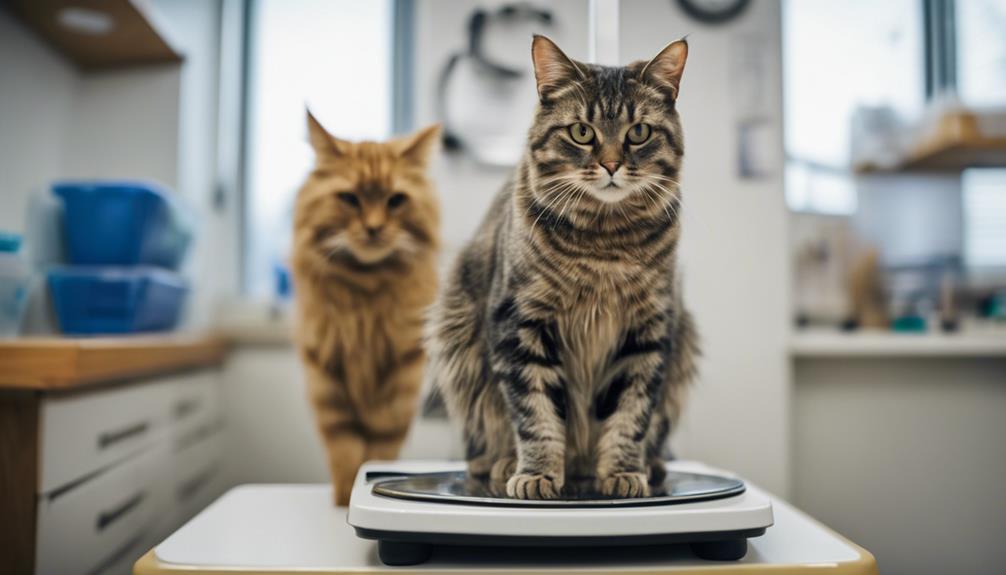
When seeking effective weight management strategies for your cat, consulting with a veterinarian is essential for tailored guidance and support. Vets can accurately assess weight status, rule out underlying medical issues, and recommend specialized weight management cat food.
Increasing daily activity levels under vet guidance can aid weight loss. Regular vet check-ups provide proper monitoring of weight changes and overall health, vital for your cat's well-being.