
To calm a feral cat, begin by understanding their behavior and creating a safe sanctuary with hiding spots. Building trust through patience and gentle interactions is key. Use calming techniques like pheromone sprays and supplements. Provide comfort with cozy bedding, consistent access to food, water, and litter boxes, and minimize stressors. Encourage positive interactions and gradually acclimatize them to their environment. By following these steps, you can help feral cats feel secure and relaxed.
Understanding Feral Cat Behavior
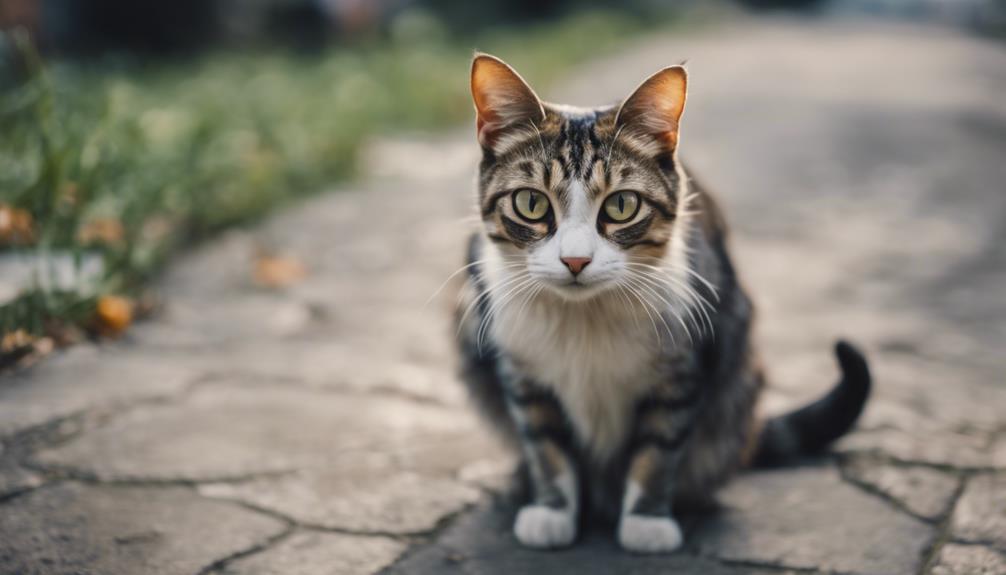
Feral cat behavior is characterized by a profound aversion to human interaction and a preference for living in colonies. This presents unique challenges for those seeking to understand and assist these elusive creatures.
Building trust with feral cats involves observing behaviors within colonies and recognizing their avoidance of human contact. By studying their interactions and creating safe feeding stations, individuals can begin to comprehend the intricate nature of feral cat behavior.
Creating a Safe Sanctuary
When creating a safe sanctuary for a feral cat, it is important to provide safe hiding spots, enclosed feeding stations, and secure outdoor enclosures. These elements help the cat feel protected, secure, and comfortable in its environment, reducing stress and promoting a sense of safety.
Safe Hiding Spots
Providing cozy hideaway options such as a cat bed, boxes, or tunnels is essential for feral cats to feel safe and comfortable around. These hiding spots offer a sense of security and protection from potential threats.
It's important to strategically place them in quiet, low-traffic areas to minimize stress. Adding soft bedding and familiar scents can further promote relaxation in these secure sanctuaries.
Enclosed Feeding Stations
Enclosed feeding stations play a significant role in creating a safe and secure sanctuary for feral cats to enjoy their meals without feeling threatened. These stations help reduce stress and anxiety, providing a quiet space for the cat to eat.
Establishing a designated feeding area can help build trust and routine. By associating the feeding station with positive experiences, feral cats can gradually become more comfortable and less fearful.
Secure Outdoor Enclosures
Creating a secure outdoor enclosure for feral cats establishes a protected environment where they can safely explore and enjoy the outdoors. These enclosures offer a controlled space for spending time outdoors, allowing feral cats to make contact with nature while remaining safe. Below is a table illustrating the benefits of outdoor enclosures for feral cats:
| Benefits of Outdoor Enclosures |
|---|
| Safe Exploration |
| Reduced Stress |
| Controlled Environment |
Building Trust Through Patience
Developing trust with feral cats necessitates a patient approach. This involves allowing for natural progression in their comfort around humans. Gentle interactions, respect for boundaries, and providing a calm environment are important in fostering this trust.
Rushing the process should be avoided, as feral cats require time to build confidence. Patience is essential for creating a positive relationship with these cats. Trust is established gradually over time.
Using Calming Techniques
When calming feral cats, using techniques like pheromone sprays and supplements can be beneficial. These remedies work by creating a soothing environment that mimics natural feline pheromones or utilizes essential oils.
Providing a calm atmosphere through these methods can help alleviate stress and fear in feral cats.
Gentle Approach Methods
Implementing gentle approach methods through the use of calming techniques is key to soothing and gaining the trust of feral cats.
- Slow Movements: Move slowly and deliberately to avoid startling the cat.
- Soft Body Language: Maintain a relaxed posture to convey a sense of safety.
- Avoid Direct Eye Contact: Direct eye contact can be intimidating for feral cats.
- Utilize Feliway Sprays: These products release calming pheromones to help relax the cat.
- Consistent Feeding Schedule: Providing regular meals can establish a routine and build trust.
Environment Enrichment Tips
To guarantee the well-being and comfort of a feral cat, creating an enriched environment through the use of calming techniques is paramount. Implement hiding spots, cozy bedding, and toys for security. Utilize Reiki, TTouch, and Bach Flower Remedy to reduce stress. Position food, water, and litter boxes strategically. Introduce music therapy and low body positions gradually. Tailor the environment with personalized recommendations, like Reiki sessions, for specific needs.
| Tips | Description |
|---|---|
| Hiding spots | Provide safe spaces for the cat to retreat and feel secure. |
| Cozy bedding | Offer comfortable resting areas for relaxation. |
| Toys | Stimulate the cat's mind and encourage play. |
| Calming techniques | Use Reiki, TTouch, and Bach Flower Remedy to reduce stress. |
| Personalized recommendations | Tailor the environment to meet the cat's individual needs. |
Encouraging Positive Interactions
Encouraging positive interactions with a feral cat involves utilizing food as a key tool for reinforcing trust and fostering a sense of security.
- Patience: Allow the cat to approach at its own pace.
- Gentle Approach: Use calm movements to avoid scaring the cat.
- Treats and Toys: Offer incentives for interaction.
- Quiet Environment: Create a safe space for the cat.
- Respect Boundaries: Let the cat initiate contact for trust-building.
Providing Comfort and Security

To guarantee the well-being and comfort of a feral cat, establishing a secure and peaceful environment is paramount. Offer cozy bedding, hiding spots, and consistent access to food, water, and a litter box nearby. Use calming remedies like pheromone sprays or essential oils to create a soothing atmosphere.
Minimize stressors such as loud noises and sudden movements. Monitor the cat's behavior and adjust the environment as needed for a calm and stable environment.
Gradual Acclimatization Process
Establishing a gradual acclimatization process is essential when gaining the trust of a feral cat. To achieve this, consider the following:
- Maintain gentle eye contact to show calmness.
- Build trust through patience and understanding.
- Use treats as positive reinforcement.
- Allow the cat to approach you at their own pace.
- Remember that trust takes time to develop.
Can the Techniques for Calming a Cat During Fireworks Also Work for Feral Cats?
Calming a feral cat during fireworks can be challenging. Using the same techniques to calm your cat during fireworks, like creating a safe space and playing calming music, may help. However, feral cats may require more time and patience to adjust to these calming methods.
Promoting Relaxation With Natural Remedies

When working with feral cats, incorporating natural remedies such as catnip, pheromone sprays, and supplements can be effective in promoting relaxation.
Products like Feliway, Rescue Remedy, and Composure Soft Chews mimic natural feline pheromones or use essential oils to soothe feral cats.
Creating a calming environment with these remedies can help ease the adjustment for feral cats, as suggested by experts advocating for non-pharmaceutical behavior modifiers.