
To find a lost cat, start indoors by checking dark spots and creating a scent trail with familiar items. Use GPS tracking collars or microchip scanners for monitoring. Inform neighbors, set up lost cat posters, and involve the community in the search. Spread awareness online, contact shelters, and visit old neighborhoods. Keep flyers updated, engage with pet adoption groups, and utilize technology like facial recognition. Acting promptly and methodically can help reunite you with your cat. Additional strategies are available to expand search efforts and improve chances of locating your furry friend.
Indoor Search Techniques

When conducting an indoor search for a lost cat, it is crucial to meticulously check small, dark hiding places with the aid of a flashlight. Enlist neighbors to help search common hiding spots like garages and crawl spaces.
Use familiar items outside to attract your cat home and create a scent trail indoors. Shake a treat bag to lure the cat out and conduct a thorough search in every room, including under furniture and inside closets.
Utilizing Technology and Tools
When searching for a lost cat, utilizing technology and tools can greatly aid in the search process. GPS tracking collars can help monitor your cat's movements, while microchip scanners can assist in identifying your cat if found.
Additionally, using lost cat websites can expand the reach of your search efforts by connecting with a larger community of pet lovers.
GPS Tracking Collars
Utilizing advanced satellite technology, GPS tracking collars provide pet owners with real-time location data for their cats, enhancing security and peace of mind.
These collars can be monitored through smartphone apps, offering geofencing features to alert owners if their cat strays.
The accurate location information supplied by GPS tracking collars can expedite the process of finding a lost cat, giving owners valuable assistance in locating their beloved pets.
Microchip Scanners
Microchip scanners play an essential role in identifying lost cats and facilitating their reunion with owners through the retrieval of unique identification numbers stored in the cat's microchip. These scanners emit a radio frequency signal to activate the microchip, providing vital information about the pet. Veterinarians, animal shelters, and rescue organizations utilize microchip scanners to check for identification, aiding in reuniting found cats with their families.
| Microchip Scanners | Lost Cats | Reuniting |
|---|---|---|
| Identification | Found | Veterinarians |
| Animal Shelters | Vital Information | Radio Frequency Signal |
Lost Cat Websites
Modern technology and online tools offer several ways to assist in the search for a lost cat. Websites like Petco Love Lost use facial recognition for finding missing pets, while LostCatFinder.com provides guides for locating lost cats online. Social media and pet registries can help spread the word about your missing cat. Employing motion-activated cameras and listening devices can reveal hiding spots. Seeking help from animal control agencies or rescue groups can aid in setting humane traps.
These various tools and resources can greatly increase the chances of reuniting with a lost feline companion.
Spreading Awareness in the Neighborhood
To increase the chances of locating a lost cat, engaging with the neighborhood to spread awareness is essential.
- Inform neighbors and pedestrians to keep an eye out.
- Contact veterinary clinics, local authorities for assistance.
- Leave food and water outside to attract the cat.
- Utilize baby monitors for faint meow detection.
Contacting Authorities and Online Resources
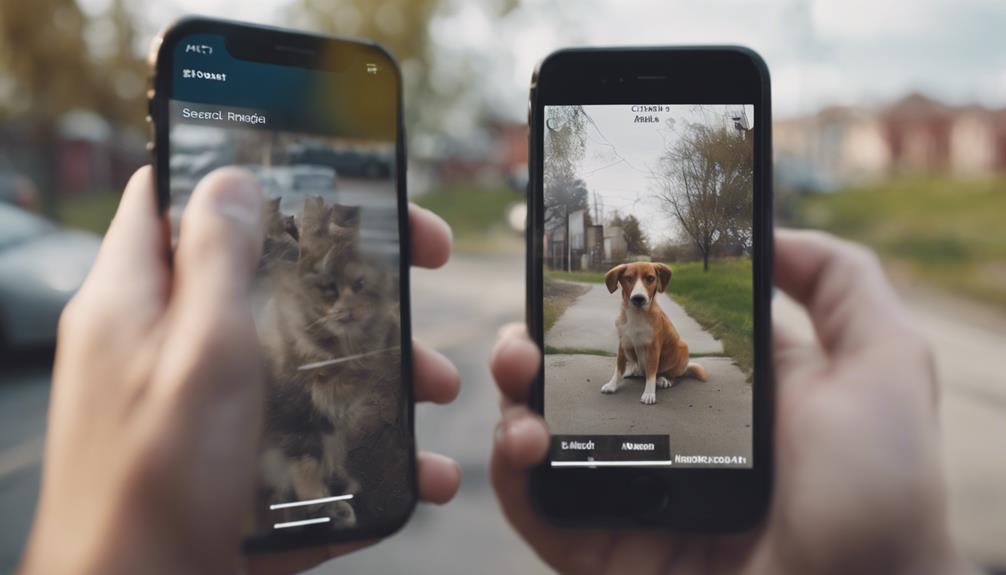
Contacting local animal shelters, control agencies, and veterinary clinics is vital when searching for a lost cat. Notify local authorities, update microchip information, and contact nearby veterinary clinics.
Utilize online resources and social media platforms to create missing cat posts. Visiting shelters promptly is essential as they may rehome animals quickly.
Additionally, consider posting on pet registries and distributing lost cat posters to increase the chances of finding your feline friend.
Creating Effective Missing Cat Posters
When designing missing cat posters, it is essential to make sure they are visually appealing and informative to maximize their effectiveness in helping locate your lost feline companion.
- Include a clear, recent photo of your lost cat.
- Use a large, bold heading declaring your cat as lost.
- Provide contact information for people to reach out.
- Describe your cat in detail, including unique features.
Can the same techniques be used to find a lost litter of kittens as to find a lost cat?
When searching for a lost litter of kittens, the same techniques used to find a lost cat can be applied. Setting out their favorite toys or treats, using scent-based lures, and posting flyers in the neighborhood can help bring the kittens back home safely.
Extending Search Efforts to Shelters and Old Neighborhoods
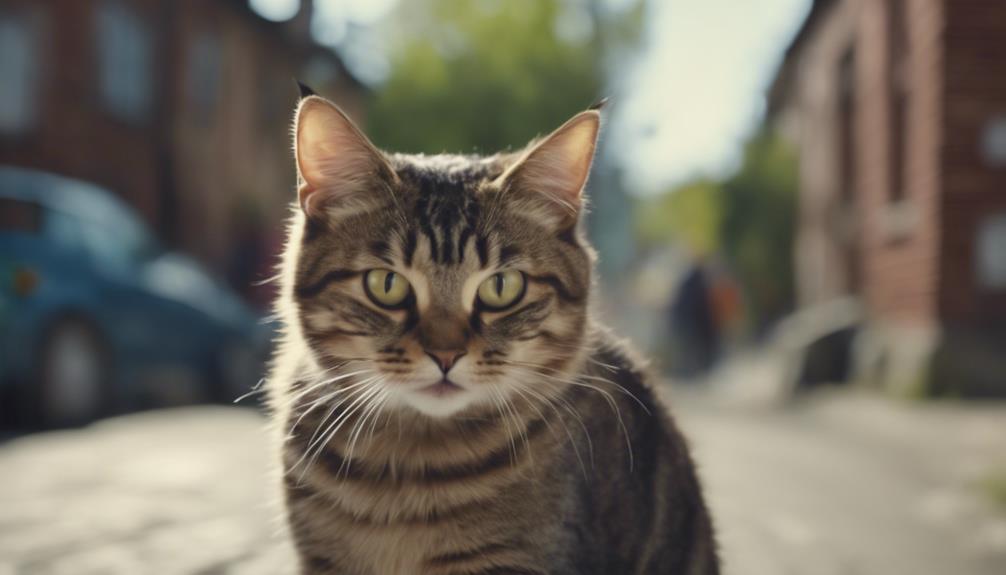
Extending the search for a lost cat to local shelters and previous neighborhoods can greatly enhance the chances of reuniting with your missing feline companion. Visit nearby shelters to check if your cat is there and explore old neighborhoods where they might have wandered. Keep updating flyers in both areas to increase visibility.
Contact pet adoption groups for additional assistance in locating your lost cat and reuniting them with you.