
Bell collars, emitting 50-60 dB, are generally safe for cats' hearing. Feline ears can handle sounds up to 80 dB before harm. Cats might habituate to bell sounds over time. Collar bells are safe for both kittens and adults. Unlikely to harm hearing or pose risks. Cats have sharp hearing and can adapt to sounds. Owners should watch for anxiety in cats due to bell sounds. Bells alert prey and aid conservation efforts. Safety and benefits of bell collars important for cat owners. Learn more about bell collars and cat well-being.
Bell Collars and Cat Hearing Sensitivity
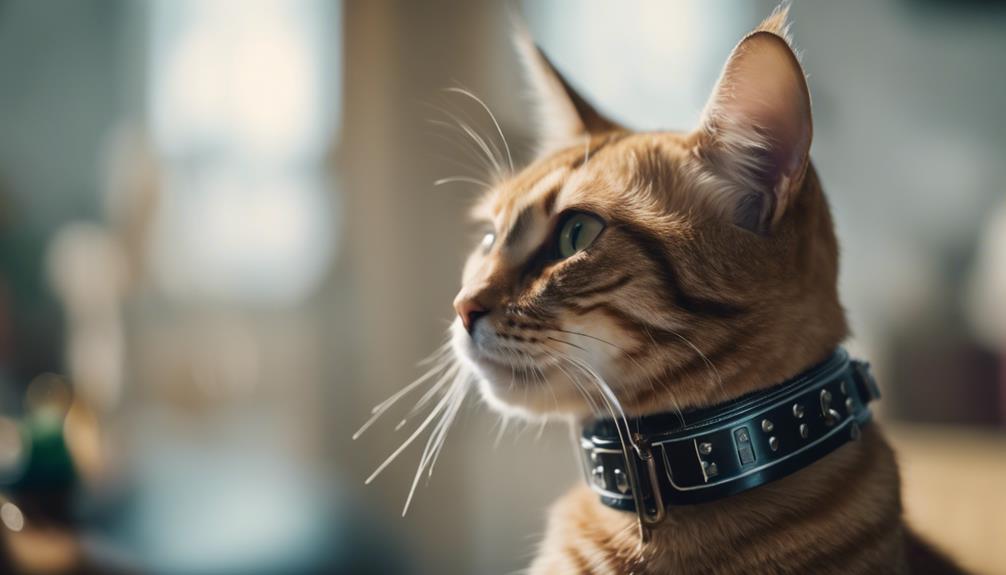
When considering the impact of bell collars on a cat's hearing sensitivity, scientific studies indicate that the sound produced by these collars falls well below the range that can affect a cat's auditory health.
Studies have shown that the sound levels emitted by collar bells typically range from 50 to 60 dB, which is notably lower than the threshold of 80 dB where adverse effects on cats' hearing may occur.
This suggests that bell collars are generally safe for cats, including kittens and adult felines. The auditory system of cats is resilient, and they can habituate to the sound of bells over time, potentially becoming indifferent to it.
As a result, the use of bell collars is unlikely to cause hearing damage or pose a significant risk to a cat's auditory well-being.
Understanding Cats Reaction to Bell Sounds
Understanding how cats react to the sound of bell collars provides valuable insights into their auditory perception and behavioral responses. Cats have a keen sense of hearing, capable of detecting a wide range of sounds. The bell on a collar emits a sound typically between 50 to 60 dB, which falls within safe levels for feline ears.
Rather than causing harm, the purpose of the bell's sound is to alert potential prey of the cat's presence. Cats, being natural hunters, may associate the sound of the bell with their predatory instincts. Owners should observe their cat's reaction to the bell to make sure it does not induce anxiety or distress.
Potential Concerns About Bell Collars

The potential concerns surrounding bell collars for cats relate to their perceived impact on feline hearing health. Some worry that the bells, though producing sounds below harmful levels (50-60 dB), may still affect a cat's hearing. However, studies indicate that cats are generally unaffected by sounds under 80 dB, suggesting that collar bells are safe. While personal experiences vary, overall, collar bells do not pose a risk of hearing damage to cats.
It is important to observe a cat's behavior when a bell is on their collar to determine if it causes distress or anxiety. Despite these concerns, bell collars play a key role in reducing predation and allowing owners to locate their feline companions easily.
Acclimation to Bell Collars Over Time
Cats have the ability to acclimate to the sound of bell collars over time, as studies suggest they are generally unaffected by noises below 80 dB.
The typical sound output of collar bells falls within the 50 to 60 dB range, making them safe for both kittens and adult felines.
Continuous exposure to the bell's sound may cause cats to gradually tune out the noise, adjusting their hearing sensitivity accordingly.
Bell Collar Impact
Gradually adjusting to the presence of bell collars, cats can acclimate to the sound over time, showing significance to the typically safe sound levels produced by these collars. Research indicates that collar bells emit sounds below harmful decibel levels, usually around 50 to 60 dB. Cats, including domestic cats, are generally unaffected by sounds under 80 dB, which includes the noise from collar bells.
Concerns regarding potential hearing damage from bell collars seem unfounded based on current scientific findings. This importance process is essential in understanding the impact of cat bells on wildlife and domestic cats, highlighting the importance of continued research into the effects of collar bells on feline hearing and their surroundings.
Hearing Sensitivity Adjustment
Adapting to the presence of bell collars, cats undergo a process of hearing sensitivity adjustment over time, demonstrating the ability to acclimate to the sound levels emitted by these collars. Studies indicate that cats can acclimate and adjust to the noise produced by collar bells, reducing any initial stress or discomfort they may experience.
This adjustment process is vital as it helps cats become less reactive to the bell's sound, ultimately improving their tolerance levels. Adjustment is a natural progression that enables cats to adapt to new stimuli, such as collar bells, ensuring a smoother shift for the feline wearers.
Expert Opinion on Cat Collar Bells
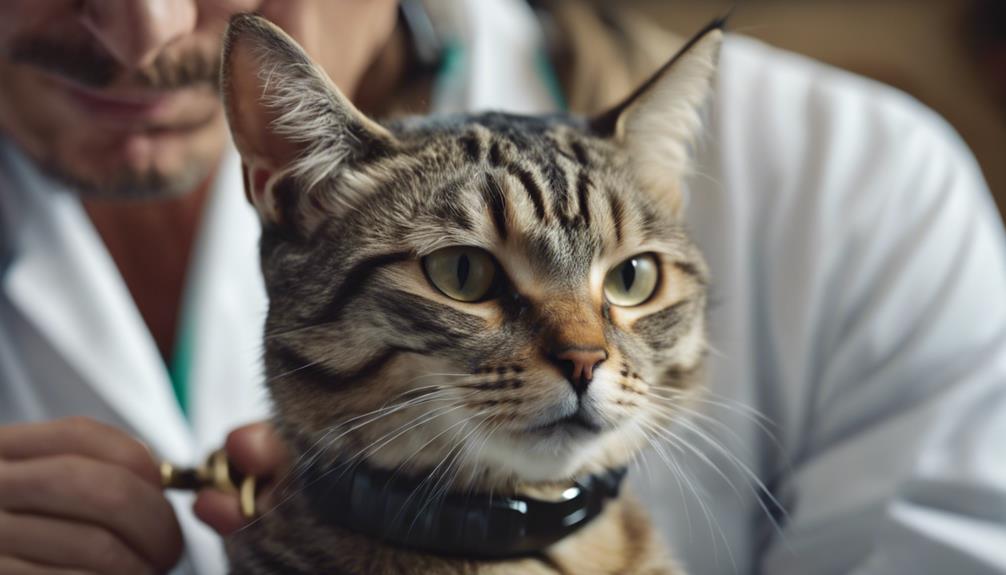
Upon consultation with experts in feline behavior and veterinary medicine, it is evident that their consensus supports the safety and utility of collar bells for cats.
These experts agree that collar bells, producing sounds below 80 dB, do not pose a risk to cats' hearing. The primary purpose of these bells is to alert potential prey animals and assist in tracking a cat's movements.
It is widely accepted that collar bells are safe for kittens and are unlikely to cause harm to cats' ears. Understanding the benefits and safety aspects of collar bells can alleviate concerns about their impact on a cat's hearing, ensuring both the cat's safety and the effectiveness of the bell as a warning device.
Impact of Bell Collars on Wildlife
The presence of bell collars on cats has demonstrated a significant impact on wildlife conservation efforts by reducing the number of prey caught by about half, aiding in maintaining a balanced ecosystem. When cats wear these collars with bells, local wildlife benefits as they can hear the warning sounds and have a chance to escape, ultimately decreasing the cats' hunting success rates.
This reduction in predation helps in preserving the population of various prey species and promotes a healthier ecosystem. By alerting potential prey to the cats' presence, these bell collars minimize the impact of domestic felines on the local wildlife, contributing positively to the overall biodiversity.
Using bell collars on your furry friends can play an important role in protecting the wildlife in your area from unnecessary harm and killing.
Safety and Well-being Considerations
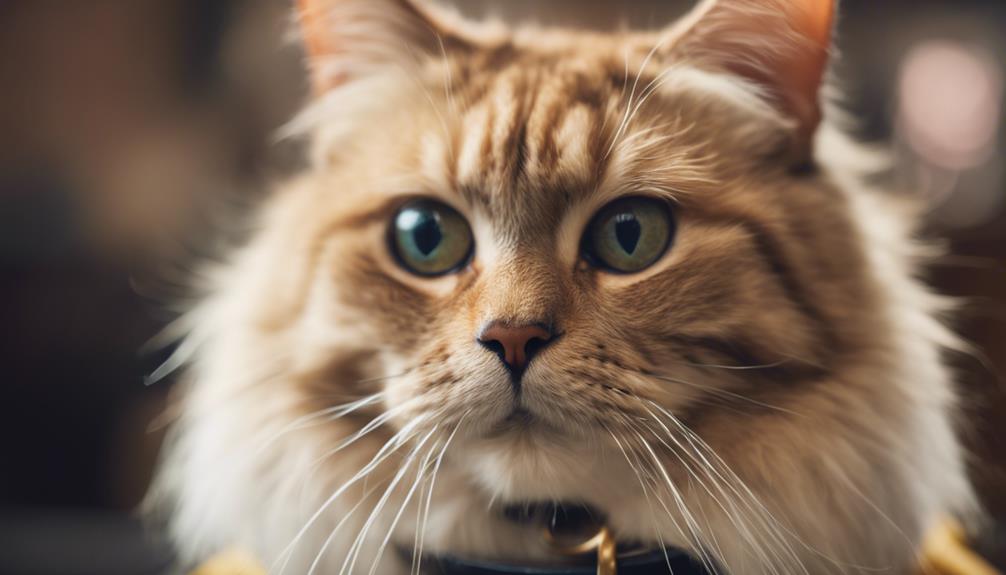
Considering the significance of maintaining a cat's safety and well-being, prudent pet owners must carefully assess the implications of using collar bells as a precautionary measure. Studies indicate that collar bells typically emit sounds ranging from 50 to 60 dB, falling below levels deemed harmful to feline hearing. Additionally, cats can habituate to these sounds over time, potentially minimizing any impact on their auditory senses.
Consulting a veterinarian can provide further insight into any concerns regarding collar bells and their effects on a cat's hearing. It is essential for responsible pet ownership to prioritize cat safety and well-being by understanding the risks involved and taking appropriate preventive measures, such as using collar bells in a responsible manner.
Could Using a Bell Collar Impact My Kitten’s Ability to Trust Me?
Using a bell collar on a scared kitten can affect trust development. To gain your scared kitten’s trust, try gentle techniques. Spend time with your scared kitten, using slow movements and soothing tones to help them feel more secure. Avoid using a bell collar if possible to allow the kitten to trust you more easily.
Responsible Pet Ownership With Bell Collars
When using bell collars on cats, pet owners should carefully observe their feline companions' reactions to promote responsible pet ownership. Bells on collars can help track your cat indoors and alert wildlife to their presence. Collar-mounted devices like the Breakaway Collar provide safety in case of entanglement. Studies confirm that the sound produced by collar bells is well below levels that could harm a cat's hearing, typically ranging from 50 to 60 dB.
Responsible pet ownership involves monitoring your cat's behavior when introducing the collar and adjusting based on their comfort. Each cat may respond differently, so paying attention to individual preferences is essential. By considering your cat's well-being and preferences, bell collars can be a valuable tool for pet owners.