
To sedate a cat for grooming, start with a veterinary evaluation to assess health and anxiety levels for tailored sedation. Common sedatives like Acepromazine or Gabapentin induce calmness, aiding stress relief. Establish clear communication between vet and groomer for a safe sedation plan. Follow pre-grooming fasting guidelines to minimize risks. During grooming, apply gentle nail-trimming techniques to prevent discomfort. Administer sedatives under veterinary guidance to guarantee safety and effectiveness. Implementing these steps ensures a smoother grooming experience.
Understanding Cat Anxiety and Stress
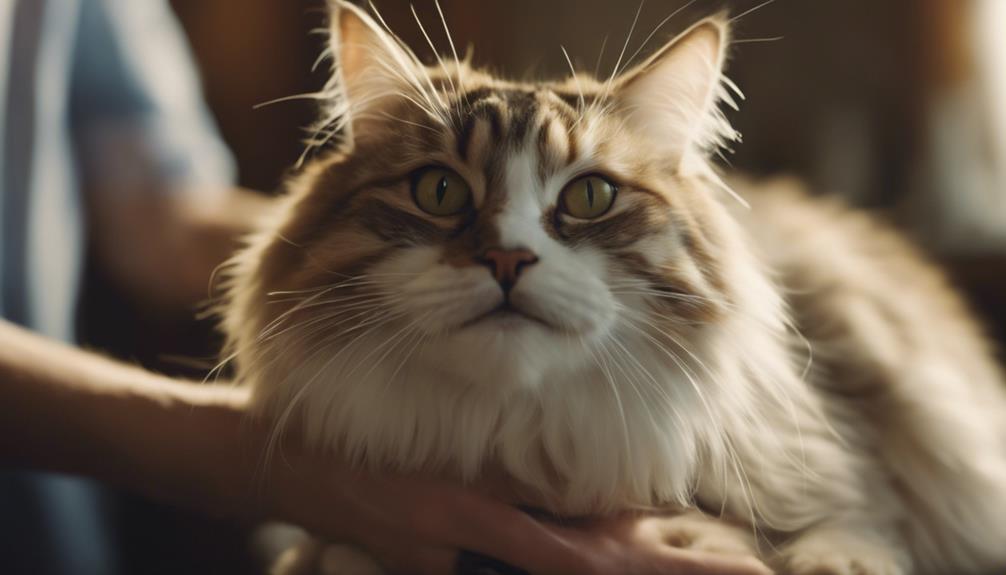
Understanding Feline Anxiety and Stress is vital for maintaining the well-being of your cat. Common triggers like grooming can lead to stress, evident through dilated pupils and excessive meowing. Behavioral changes such as aggression or hiding may indicate anxiety.
While sedatives can help in some situations, addressing the root cause of stress is essential for long-term well-being. Consulting a vet for a proper diagnosis and treatment plan is highly recommended.
Importance of Veterinary Evaluation
Prior to sedating a cat for grooming, a comprehensive veterinary evaluation is essential. This evaluation helps determine the cat's health status, anxiety level, and specific needs. It allows for the prescription of sedatives with the appropriate sedative properties based on the individual cat's condition. This tailored sedation process minimizes risks and maximizes effectiveness, ensuring a safe and customized grooming experience.
This evaluation is crucial to safeguard the cat's welfare and establish a safe sedation process.
Pre-Grooming Fasting Guidelines
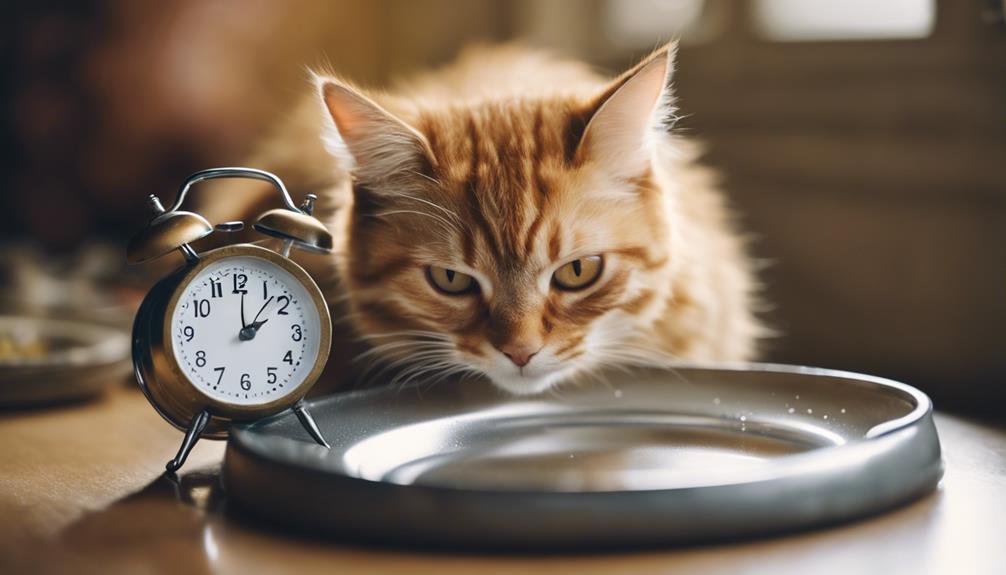
Prior to grooming, it is recommended to withhold food and treats from your cat after 8:00 pm the night before to adhere to fasting guidelines.
However, water intake is typically permitted to prevent dehydration until the grooming session.
Following these fasting guidelines is important as it helps minimize potential complications that may arise during sedation and grooming procedures.
Fasting Duration Guidelines
To ensure maximum safety and effectiveness during sedation for grooming, following recommended fasting guidelines is vital for cats. Typically, no food or treats should be given after 8:00 pm the night before the grooming procedure.
However, water intake is usually permitted until the grooming appointment to prevent dehydration. Following specific fasting instructions tailored to the cat's health and the sedation protocol is essential for a successful grooming experience.
Water Intake Recommendations
Proper hydration maintenance leading up to a grooming appointment is essential for a cat's well-being and safety during the sedation process. Cats should fast from food and treats after 8:00 pm the night before grooming, but water intake should be allowed until the procedure to prevent dehydration.
Adequate hydration before fasting helps reduce the risk of complications like vomiting during sedation, ensuring a safe and effective grooming experience for the cat.
Communication With Groomer and Vet
When preparing to sedate your cat for grooming, it is important to establish open communication channels with both the groomer and vet.
Begin by discussing the vet's instructions for sedation, understanding the groomer's sedation preferences, and sharing your cat's sedation history.
This information exchange will help guarantee a well-coordinated and safe sedation plan tailored to your cat's specific needs.
Vet Instructions for Sedation
In facilitating a smooth sedation process for your cat's grooming session, it is crucial to establish clear and effective communication channels between your vet and the groomer. Discuss the need for sedation with your veterinary clinic and follow their instructions precisely.
Provide detailed information to the groomer regarding the sedation plan, dosage, and any special considerations.
Make certain both the vet and groomer coordinate the sedation process and grooming procedure for the best outcome.
Groomer's Sedation Preferences
Facilitating effective communication between the groomer and the vet regarding the cat's sedation preferences is crucial for a successful grooming session. Detailed information about the cat's behavior and reactions to grooming should be shared.
Discuss any past sedation or grooming experiences to tailor the sedation plan. Guarantee all parties are informed about the sedation protocol and any specific requirements for the grooming session to secure a smooth and safe process.
Cat's Sedation History
Effectively communicating your cat's sedation history to both the groomer and vet is essential for ensuring a safe and successful grooming experience. Provide details on previous sedation experiences, including medication used, dosage, and any adverse reactions.
Mention any known allergies or sensitivities to certain sedatives to prevent potential complications during grooming.
Discuss the duration of sedation effects observed in past grooming sessions to help tailor the sedation plan for your cat.
Commonly Used Cat Sedatives
Cat sedatives like Acepromazine, Gabapentin, Dexdomitor injections, Valium, and Benadryl provide sedative effects, calming cats, reducing anxiety, inducing relaxation, and promoting stress relief during grooming sessions.
These commonly used sedatives help to make the grooming process easier and less stressful for both cats and their owners.
Risks and Benefits of Sedation

When considering the use of sedation for grooming cats, it is crucial to weigh the potential risks against the benefits to guarantee the well-being and safety of the feline patient.
Common side effects, such as vomiting, diarrhea, or allergic reactions, should be taken into account.
Sedation must be administered by veterinary professionals with proper dosage and administration to secure a calmer cat and a safer grooming experience for both the cat and the groomer.
Differentiating Sedation and Anesthesia
Differentiating between sedation and anesthesia is vital for determining the appropriate level of intervention required during a cat's grooming session.
Sedation involves calming effects to keep cats relaxed, while anesthesia induces unconsciousness.
Sedatives help cats remain calm and still during grooming, while anesthesia ensures they are fully unaware.
Understanding these differences is important for selecting the right approach to guarantee the safety and comfort of the cat during grooming.
Managing Sedation Side Effects
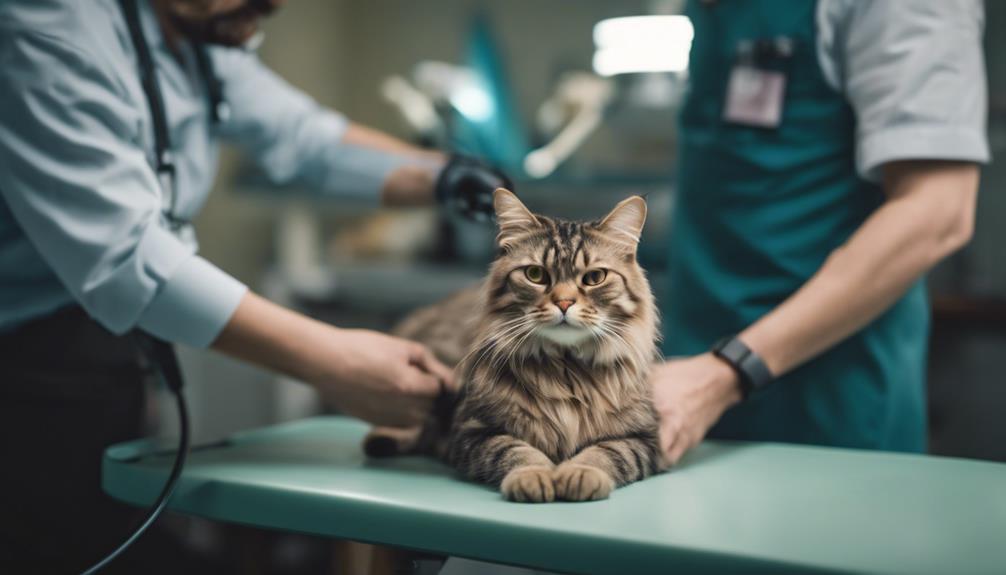
To safeguard the well-being of a cat undergoing sedation for grooming, it is essential to carefully manage and monitor any potential side effects that may arise.
- Vomiting and Diarrhea: Common side effects
- Dry Mouth: Dehydration risk
- Liver or Kidney Problems: Serious complications
- Type of Sedative Used: Influences side effects
Consulting a veterinarian for guidance on monitoring and managing sedation side effects is vital.
Post-Grooming Care Instructions
After grooming, it is important to follow specific care instructions to maintain your cat's health.
This includes bathing your cat with gentle products suitable for felines, using appropriate brushing techniques to prevent skin irritation, and safely trimming your cat's nails to avoid injury.
These post-grooming care measures help guarantee your cat remains comfortable and free from potential grooming-related issues.
Bathing Instructions
When grooming your cat, it is essential to follow proper bathing instructions as part of post-grooming care.
- Use lukewarm water and cat-friendly shampoo for bathing.
- Gently towel dry your cat to avoid chilling.
- Avoid human shampoos or harsh chemicals.
- Check for mats and tangles, gently combing them out.
Brushing Techniques
Groomers should employ gentle brushing techniques using a soft-bristled brush to maintain a cat's coat health and distribute natural oils effectively. Brush in the direction of hair growth to prevent discomfort or skin irritation.
Regular brushing sessions not only prevent matting but also allow for the detection of skin abnormalities, lumps, or parasites. Positive reinforcement, such as treats or praise during and after brushing, helps create a positive grooming experience for the cat.
Nail Trimming Tips
To guarantee thorough post-grooming care for cats, mastering effective nail trimming techniques is essential for maintaining their overall well-being and comfort.
- Apply gentle pressure to extend the nails for trimming.
- Use sharp, clean clippers to avoid splintering.
- Trim at a slight angle to prevent cutting into the quick.
- Watch for signs of discomfort or bleeding during the process.
Can I Sedate My Cat Before Shaving It?
If you’re considering sedating your cat before shaving it, it’s important to consult with a veterinarian first. They can provide guidance on whether sedation is necessary and safe for your cat. When it comes to shaving a cat, tips from a professional groomer can be invaluable to ensure a smooth and stress-free experience.
Responsible Use of Cat Sedatives
The careful administration of cat sedatives, under the guidance of a veterinary professional, is crucial for guaranteeing the safe and effective grooming of feline companions.
Specific sedatives are tailored to the individual cat's needs to minimize risks and promote a calming effect. Responsible use involves following proper guidelines, monitoring the cat's response, and understanding potential side effects.
This approach guarantees a stress-free grooming experience while prioritizing the cat's comfort and safety.