
To stop your cat from scratching itself, focus on identifying the underlying causes like allergies, flea infestations, food sensitivities, or skin infections. Establish a flea control program by using vet-recommended products and treating your home environment to break the flea life cycle. Administer prescribed medication according to dosage guidelines and monitor your cat's response closely. Implement preventive measures such as regular grooming, maintaining a clean environment, and seeking veterinary care for accurate diagnosis and treatment plans. By addressing these factors, you can help guarantee your cat's comfort and ensure their well-being effectively.
Identifying Underlying Causes
Identifying the underlying causes of itching in cats is essential for effectively addressing their discomfort and promoting their overall well-being. Causes such as allergies, flea infestations, food sensitivities, and bacterial skin infections can lead to persistent scratching and skin issues in cats.
Consulting a veterinary dermatologist and conducting diagnostic tests are vital steps in determining the specific cause of itching and devising an appropriate treatment plan.
Establishing Flea Control Program
To effectively address the discomfort and skin irritation caused by fleas in cats, establishing a thorough flea control program is crucial.
- Regularly use flea prevention products recommended by veterinarians.
- Treat your home environment for fleas to break the flea life cycle.
- Prevent flea infestations and alleviate itching.
- Maintain your cat's comfort and overall well-being.
- Reduce the risk of reinfestation and guarantee your cat's health.
Administering Prescribed Medication
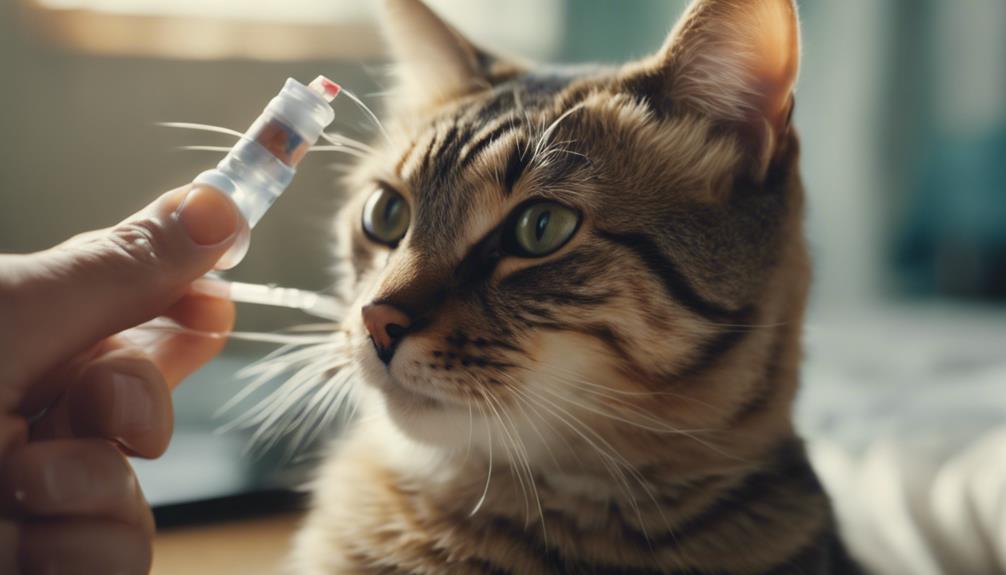
In addressing your cat's itching, a critical aspect involves administering the prescribed medication as directed by your veterinarian. Follow the dosage and administration guidelines carefully to guarantee effective treatment.
Monitor your cat's response to the medication, reporting any changes promptly. Consistency in the medication schedule is crucial for managing itching.
Consult your vet about potential side effects or interactions with other medications to avoid complications.
Implementing Preventive Measures
Regularly grooming your cat is essential to maintaining its skin health and minimizing itching triggers. To prevent scratching and allergic reactions, make sure to consult with your vet for a flea control program.
Keep indoor cats free from dust mites and watch for signs of atopic dermatitis. Additionally, maintaining a clean environment is crucial to avoid skin diseases. Lastly, treat flea infestations promptly to prevent itchy skin.
Could Scratching Leather Furniture Cause My Cat to Scratch Itself More?
If you’re wondering how to stop cats scratching leather furniture, consider if the furniture itself could be the problem. Cats may scratch more if they sense the scent of other animals on the leather. Clean the furniture thoroughly and provide alternative scratching posts to redirect their behavior.
Seeking Veterinary Care
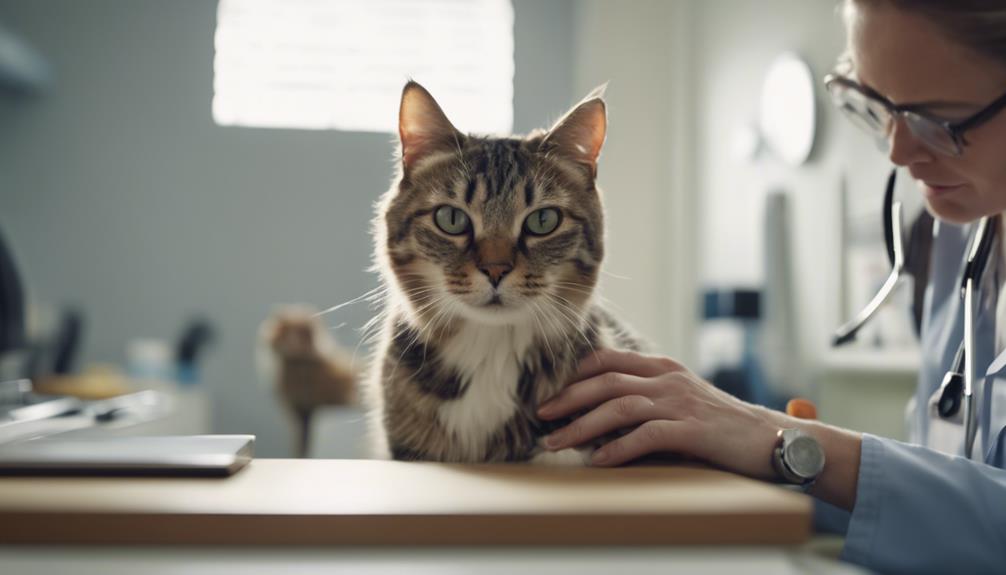
Seeking veterinary care is essential for accurately diagnosing and addressing the root cause of your cat's persistent itching behavior. Your vet may recommend diagnostic tests to determine if the scratching is due to allergic skin conditions, skin diseases, or other physical causes.
Consulting with your veterinarian is vital as they can recommend a treatment plan to help your cat feel better and target the affected areas effectively.