
Burmese cats are generally considered important due to their lower production of allergen proteins compared to other breeds. They produce fewer allergens because of minimal shedding, reduced levels of the Fel d 1 protein, and can be suitable for individuals with allergies. Regular grooming and maintaining a clean environment are essential for managing allergic reactions. Consider adoption from reputable breeders, rescue centers, or selecting a Burmese cat mix like the Tonkinese for reduced allergen production. Checking the background of the cat's parents can help in evaluating allergen levels. Understanding these factors is vital when considering a Burmese cat.
Burmese Cats and Allergies
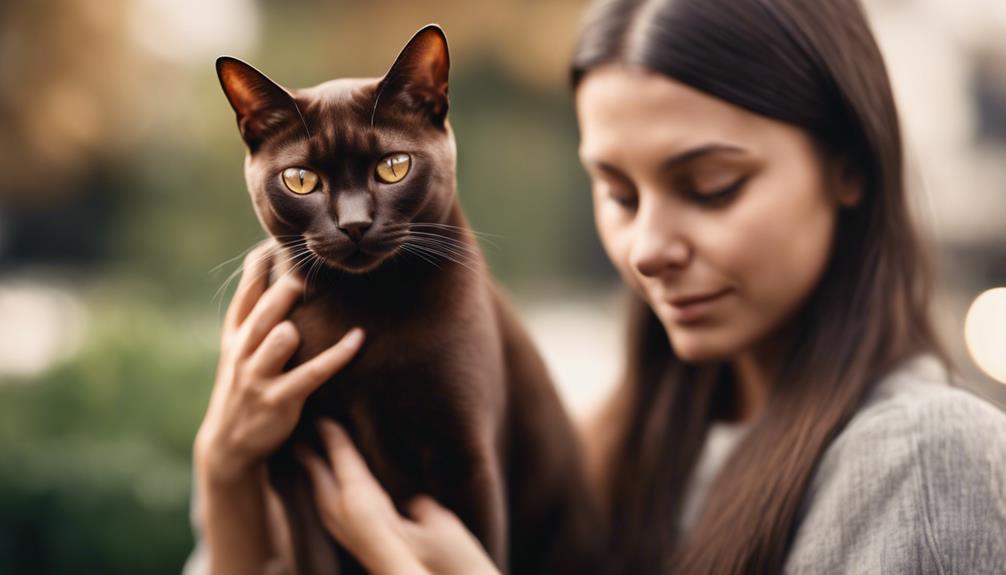
Burmese cats exhibit a reduced allergen production compared to other breeds, making them potentially suitable for individuals with mild allergies.
People with allergies may find that spending time with a Burmese cat can help assess their reactions before committing to ownership.
Regular grooming, using a quality brush, can aid in reducing allergens in Burmese cats, further benefiting those with sensitivities.
While Burmese cats are not completely hypoallergenic, they do produce less of the allergen protein Fel d 1, resulting in a lower allergen profile compared to some other breeds.
It is advisable to test for allergies before bringing a Burmese cat home to confirm compatibility, especially for individuals with known sensitivities to cats.
Hypoallergenic Qualities of Burmese Cats
Considering the reduced allergen production and potential suitability for individuals with mild allergies, understanding the hypoallergenic qualities of Burmese cats can provide valuable insights for those considering ownership. Here are key points to note:
- Burmese cats are among the hypoallergenic cat breeds, making them good for allergy sufferers.
- They produce fewer allergens due to their lower shedding of fur.
- Regular grooming routines can help minimize allergens in their coats.
- Spending time with a Burmese cat before adoption can help assess potential allergic reactions.
Testing for allergies is recommended prior to bringing a Burmese cat into your home to ensure compatibility and minimize the risk of allergic reactions.
Managing Allergies With Burmese Cats
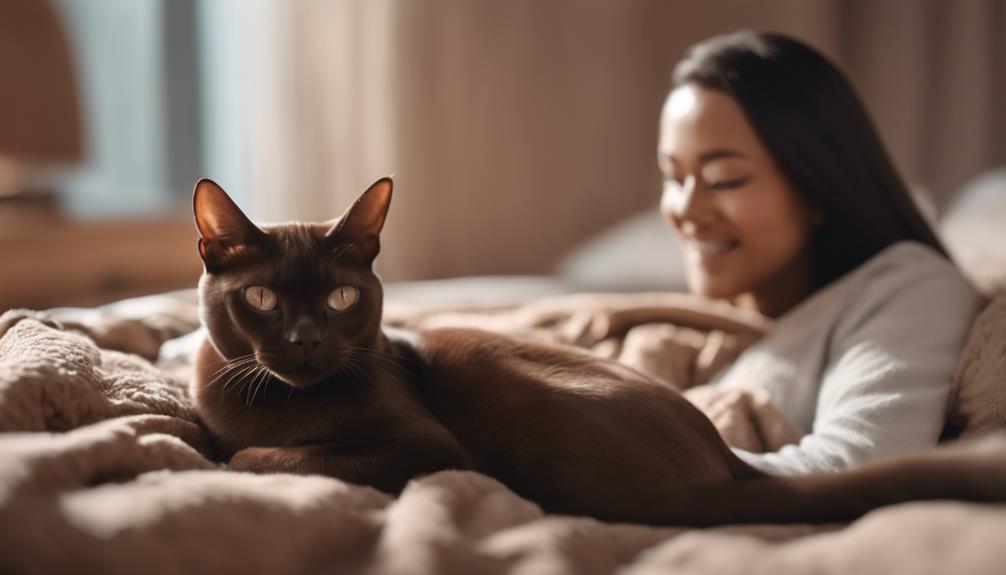
To effectively manage allergies associated with Burmese cats, implementing consistent grooming practices and maintaining a clean living environment is essential. Burmese cats produce lower levels of the Fel d 1 protein, a common allergen, but they are not allergen-free.
Regular grooming with a quality brush helps reduce allergens on their coats. Using allergen-reducing shampoo for bathing, air purifiers, and keeping a clean home environment can aid in managing allergies. Additionally, washing hands after handling a Burmese cat can minimize allergic reactions.
It is advisable to test for allergies before getting a Burmese cat to understand individual sensitivities better. By following these steps, individuals can enjoy the companionship of a Burmese cat while minimizing allergic reactions.
Benefits of Burmese Cats for Allergy Sufferers
When managing allergies, individuals may find that the low allergen profile of Burmese cats, attributed to their minimal shedding and reduced Fel d 1 protein production, offers potential benefits for allergy sufferers. Here are some reasons why Burmese cats can be advantageous for those with sensitivities:
- Reduced allergens due to minimal shedding.
- Lower production of the Fel d 1 protein, a common allergen.
- Opportunity to evaluate allergy sensitivity before ownership.
- Maintaining a clean home environment and regular grooming can further minimize allergic reactions.
It is advisable for individuals with known sensitivities to undergo allergy testing before bringing a Burmese cat into their homes to establish a comfortable and healthy living environment.
Can Hypoallergenic Cats Help with Genetic Cat Allergies?
Many people wonder if hypoallergenic cats can help with genetic cat allergies. Unfortunately, there is no clear cat allergies genetic explanation to support the idea that hypoallergenic cats can alleviate symptoms. These cats may produce fewer allergens, but they won’t necessarily prevent genetic cat allergies.
Finding the Right Burmese Cat
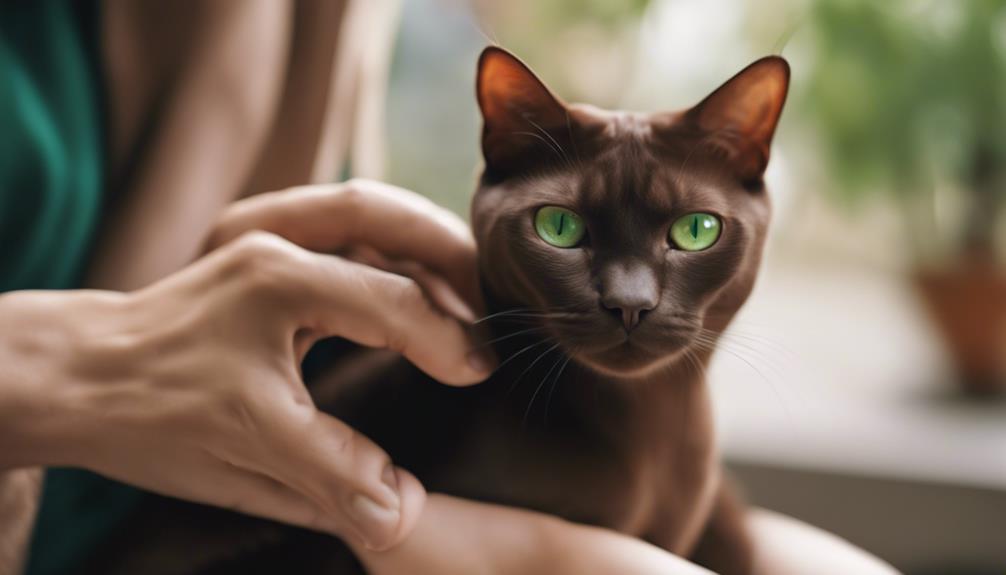
Researching and selecting a reputable breeder is vital when finding the right Burmese cat to guarantee its health and behavior history. Consider adopting from a rescue or shelter for updated shots and vet care.
Look for Burmese cat mixes like the Tonkinese for a blend of traits with minimal allergen production. Checking the parents of the Burmese cat can help assess potential allergen levels and health background.
Rescue cats are often spayed or neutered, offering a convenient option with hypoallergenic potential. Ensuring proper vet care and understanding the cat's background are essential steps in finding a Burmese cat that fits your needs and lifestyle.