
To determine if cat mating was successful, observe changes in the heat cycle, lasting about 7 days and stopping if pregnant. Increased affection, such as cuddling and seeking contact, could signify success. Look for significant appetite, essential for pregnancy, and monitor weight gain, around 4 pounds, to confirm mating. Swollen nipples preparing for milk production and a pinker color indicating readiness for birth are positive signs. Stay alert for abdominal swelling, nesting behavior, increased resting, and mood swings as potential further indicators. Understanding these signs can help in recognizing successful cat mating.
Changes in Heat Cycle

Changes in a cat's heat cycle serve as a key indicator of successful mating. Observing physical signs such as the duration of the heat cycle can help determine the success of the mating process. The heat cycle typically lasts around 7 days but may cease entirely if the cat becomes pregnant after mating.
Monitoring these changes and waiting for signs of no heat can provide valuable insights into whether mating was successful.
Increased Affection
During pregnancy, cats often exhibit heightened affection towards their owners as a positive indication of successful mating. This increased affection can be seen through behaviors such as more frequent cuddling, purring, and seeking out physical contact. Trust between the cat and its owner may also grow during this time as the cat prepares for pregnancy and motherhood.
It's important to observe these signs alongside other indicators of successful mating.
Enhanced Appetite
A pregnant cat's vital appetite following successful mating is a natural response to the increased nutritional requirements for the developing kittens.
Providing a calorie-rich diet rich in animal proteins and fats is essential to support the pregnant cat's heightened interest in eating.
Monitoring the cat's food intake closely and ensuring proper nutrition is maintained are essential during this period of increased appetite.
Increased Food Consumption
An increase in food consumption observed in mother cats following successful mating serves as an important indicator of a well-progressing pregnancy and the impending birth of healthy kittens.
Monitoring the cat's food intake is vital post-mating to make sure she receives adequate nutrition for both herself and the developing kittens.
A well-balanced, calorie-rich diet focusing on animal proteins and fats is recommended to support the increased nutritional needs during this critical phase.
Heightened Interest in Eating
After successful mating, an observable increase in a cat's interest in eating, characterized by heightened appetite, signals the potential onset of pregnancy and the increased nutritional demands that accompany it.
Cats may demonstrate a surge in food consumption post-mating.
Nutrient requirements spike due to potential pregnancy and nursing.
A diet rich in animal protein and fats supports the energy needs of this phase.
Weight Gain
Weight gain in cats following successful mating serves as a prominent indicator of pregnancy. The increase in weight, typically around 4 pounds, is attributed to the growth of kittens inside the mother cat.
Monitoring weight changes, along with observing eating habits and behavioral shifts, can help confirm a successful mating and impending pregnancy.
Observing Eating Habits
Increased food consumption in cats can be a key indicator of a successful mating, signaling the heightened nutrient requirements for developing kittens. When observing eating habits and weight gain, look for:
- Increased Food Intake: Pregnant cats may consume more food to support the developing kittens.
- Gradual Weight Gain: A weight gain of around 4 pounds is common in pregnant cats.
- Caloric Needs: The mother cat's body adjusts by increasing caloric intake to prepare for birth and nursing.
Changes in Behavior
During pregnancy, a cat's behavior may exhibit noticeable changes, particularly in relation to their weight gain. Weight gain is a common sign of successful mating, with an average increase of around 4 pounds during pregnancy.
The mother cat's decreased activity levels and heightened caloric intake contribute to this weight gain, as she conserves energy for the developing kittens. An increase in appetite is often observed alongside this weight gain.
Veterinary Pregnancy Test
A veterinary pregnancy test can effectively confirm the success of mating in cats by evaluating indicators such as weight gain.
- Weight gain in cats is a common sign of pregnancy after successful mating.
- Veterinarians can assess weight gain in cats to determine mating success.
- Monitoring weight gain in cats can reliably indicate a successful mating.
Swollen Nipples
Swollen nipples in cats serve as an early indicator of successful mating, signaling preparations for milk production. The enlargement is a result of increased blood flow and physiological changes in anticipation of kittens. Pinker and larger nipples indicate readiness for birth. Monitoring changes in nipple size and color post-mating can confirm a successful mating. Below is a table summarizing key points.
| Sign | Explanation | Importance |
|---|---|---|
| Swollen Nipples | Indicate successful mating | Preparation for milk production |
| Enlarged and Pink Nipples | Readiness for birth | Confirm mating success |
| Changes in Size and Color | Post-mating monitoring | Confirm successful mating |
Abdominal Swelling

Abdominal swelling in cats following successful mating serves as a prominent indicator of pregnancy, reflecting the physiological changes necessary to accommodate the developing kittens within the queen's abdomen.
- Physical Change: Visible enlargement of the abdomen.
- Room for Growth: The swelling allows space for the growing kittens.
- Tactile Sensation: It is possible to feel the developing kittens in the queen's abdomen.
Nesting Behavior
Nesting behavior in cats is a distinctive trait indicative of successful mating. It manifests as a natural instinct prompting expectant felines to seek out secure and cozy locations for giving birth. Pregnant cats may exhibit this behavior by preparing a comfortable area with blankets or towels. Providing soft bedding or a box can help pregnant cats fulfill their instinct to create a birthing space. This preparation is an essential step for them as they get ready for the arrival of kittens.
This behavior is crucial for the well-being of both the mother cat and her offspring. By creating a safe and comfortable nesting area, the mother can reduce stress during labor and ensure a warm and secure environment for her newborn kittens. It is important for cat owners to understand and support this natural behavior to help their pets have a successful and smooth birthing process.
Increased Resting
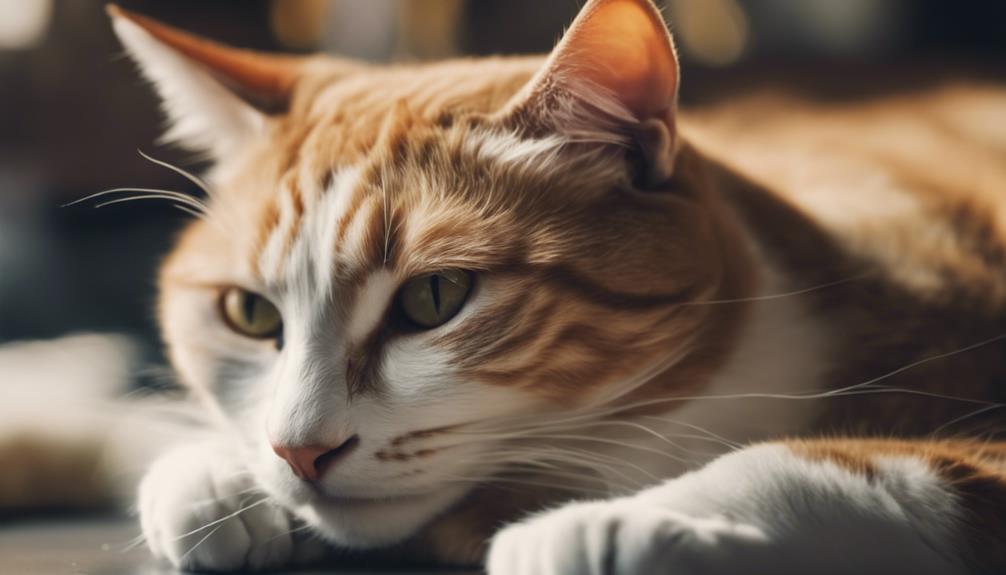
After a successful mating, pregnant cats often exhibit increased resting as a sign of their preparation for pregnancy and birth.
- Cats may sleep more than usual post-mating.
- Increased relaxation and more sleep can indicate successful mating.
- Monitoring resting behavior provides insights into mating success.
Can Dominant Behavior Affect a Cat’s Likelihood of Successful Mating?
When it comes to successful mating, identifying dominant cats is crucial. Dominant behavior in a cat can influence its likelihood of successful mating, as dominant cats may be more aggressive in pursuing mates and may have a higher chance of attracting potential partners in the feline world.
Mood Swings
During successful cat mating, mood swings can manifest as a result of hormonal changes in felines. Cats may display behavior changes such as increased affection or aggression. Signs like being clingy or irritable can indicate a successful mating.
Hormonal fluctuations during pregnancy can also lead to mood swings in pregnant cats. Observing these mood shifts and behavior alterations can help determine if the mating was successful.