Are All Tortoiseshell Cats Female


Female tortoiseshell cats are much more common due to their genetic makeup. These cats have two X chromosomes that determine their intricate mix of colors. Male tortoiseshell cats are rare, usually with an extra X chromosome (XXY) that can lead to sterility. The presence of two X chromosomes in females results in the unique patchwork coat pattern. Understanding the genetic basis clarifies why most tortoiseshell cats are female. The gender distribution and coat color complexity in tortoiseshell cats are fascinating topics to explore further.
Genetic Basis of Tortoiseshell Cat Colors
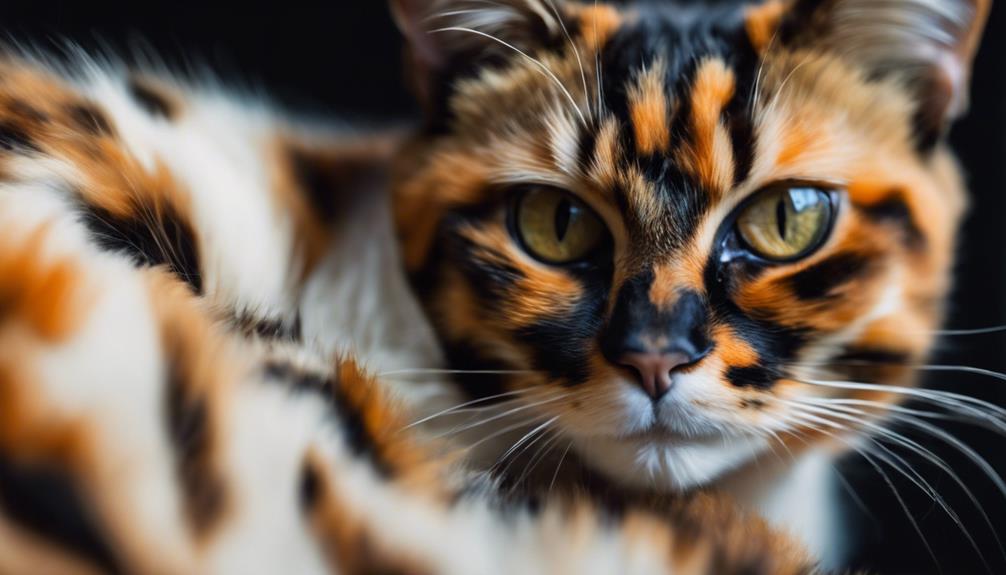
The genetic underpinnings of tortoiseshell cat colors primarily manifest in the unique chromosomal composition of female felines. Female tortoiseshell cats possess two X chromosomes, carrying the genetic information for both black and orange coat colors.
In contrast, male cats typically have one X and one Y chromosome, resulting in a lower occurrence of tortoiseshell coloring. Although some male tortoiseshell cats may have an extra X chromosome (XXY), they are often sterile. This genetic phenomenon elucidates the rarity of male tortoiseshell cats in comparison to their female counterparts.
The presence of two X chromosomes in females allows for the intricate mix of black and orange hues that characterize the striking coat patterns of tortoiseshell cats.
Female Dominance in Tortoiseshell Cats
Female dominance in tortoiseshell cats is a result of their genetic composition. Females carry two X chromosomes that determine their unique coat colors. This genetic basis explains why the majority of tortoiseshell cats are female, as males typically have one X and one Y chromosome.
Understanding the hormonal influence and color pattern inheritance in female tortoiseshell cats sheds light on their distinct appearance and rarity among the feline population.
Genetic Basis Explained
Nearly exclusive to females, the unique genetic makeup of tortoiseshell cats dictates the striking patterns of their multicolored coats. Female tortoiseshell cats possess two X chromosomes, carrying the genetic information for the black and orange coat colors.
In contrast, male cats have one X and one Y chromosome, making it less common for them to display tortoiseshell coloring. In rare cases where male tortoiseshell cats do exist, they may have an extra X chromosome, but they are typically sterile.
This female dominance in tortoiseshell cats is a direct result of the genetic composition that determines their intricate coat patterns. The presence of two X chromosomes in females plays a significant role in the development of their unique and beautiful coat colors.
Color Pattern Inheritance
Manifesting through intricate coat patterns, the unique color inheritance in tortoiseshell cats highlights the dominance of females in determining their striking appearance. Female tortoiseshell cats possess two X chromosomes, which carry the genes for the black and orange coat colors that blend to form the distinctive tortoiseshell pattern.
In contrast, male cats, with only one X chromosome, lack the genetic capacity to display this specific coat coloration. Occasionally, male tortoiseshell cats are born with an extra X chromosome, leading to their rare existence, but they are often sterile due to this additional genetic anomaly.
The rarity of male tortoiseshell cats underscores the intricate nature of coat color genetics and the significance of X chromosome inheritance in defining the striking appearance of female tortoiseshell cats.
Hormonal Influence Significance
Hormonal influences play a crucial role in determining the unique color patterns and female dominance observed in tortoiseshell cats.
The genetic link between coat color genes and X chromosomes results in nearly all tortoiseshell cats being female. Female tortoiseshell cats possess two X chromosomes, carrying the genes for black or orange coat colors.
In contrast, rare male tortoiseshell cats are often sterile and have an extra X chromosome. The presence of two X chromosomes in females leads to the distinct color patterns seen in these cats.
Hormonal factors further contribute to the expression of these colors, emphasizing the significance of hormonal influence in the manifestation of female dominance among tortoiseshell cats.
Rare Occurrence of Male Tortoiseshell Cats
Male tortoiseshell cats are a rare anomaly due to the genetic link between coat color and sex chromosomes. These unique felines possess an extra X chromosome, resulting in their distinctive coloring and hormonal abnormalities.
Their rarity, estimated at 1 in 3,000 cases, makes them a fascinating subject for genetic and veterinary studies.
Male Tortoiseshell Genetics
Regarding the occurrence of male tortoiseshell cats, a rare genetic anomaly results in approximately 1 out of 3,000 cases. These males often have XXY chromosomes, a condition known as Klinefelter syndrome. Due to this genetic complexity, male tortoiseshell cats are typically sterile and may experience health issues.
The distinct orange and black coat colors in tortoiseshell cats are linked to the X chromosomes, making males with this color combination less common. Breeding for male tortoiseshell cats is unlikely due to their infertility.
Understanding the genetic basis behind male tortoiseshell cats sheds light on their rarity and the challenges they face with reproduction and health.
Hormonal Abnormalities in Males
The genetic complexity underlying male tortoiseshell cats often results in hormonal abnormalities that manifest in unique coat colors and potential health challenges.
Male tortoiseshell cats can exhibit these abnormalities due to having an extra X chromosome, a genetic anomaly that disrupts the typical male cat genetic pattern. The presence of an additional X chromosome can lead to a range of issues, including sterility and health problems.
Cats with XXY chromosomes, like male tortoiseshell cats, may have distinct coat colors that set them apart from other felines. Understanding these hormonal abnormalities in male tortoiseshell cats provides insight into the intricate genetic factors at play and sheds light on the rare occurrence of these unique and fascinating feline companions.
Unique Coat Color
Tortoiseshell cats display a unique coat color that is primarily found in females due to genetic factors related to the presence of two X chromosomes.
- The unique coat color of tortoiseshell cats is linked to the presence of two X chromosomes in females, carrying the genes for black or orange coat color.
- In extremely rare cases, male tortoiseshell cats can have an extra X chromosome (XXY), leading to their distinct coloring.
- Male tortoiseshell cats with XXY syndrome are typically sterile and may face health issues associated with this genetic anomaly.
- Understanding the genetic basis behind the coat color of tortoiseshell cats sheds light on the rarity of male tortoiseshell cats in the feline population.
Health Implications for Male Tortoiseshell Cats
Health implications for male tortoiseshell cats can be significant due to their rare genetic anomaly and associated abnormalities. Most male tortoiseshell cats have XXY chromosomes, making them Klinefelter males, which often leads to infertility. Breeding male tortoiseshell cats is typically unfeasible due to their sterility. These genetic abnormalities can result in various health issues for these unique felines. Understanding these challenges is vital in providing appropriate care for male tortoiseshell cats. The table below summarizes key points related to the health implications of male tortoiseshell cats:
| Aspect | Description |
|---|---|
| Chromosomes | Most male tortoiseshell cats have XXY chromosomes |
| Infertility | Male tortoiseshell cats are typically sterile |
| Health Issues | Genetic abnormalities can lead to various health problems |
Factors Influencing Tortoiseshell Cat Gender
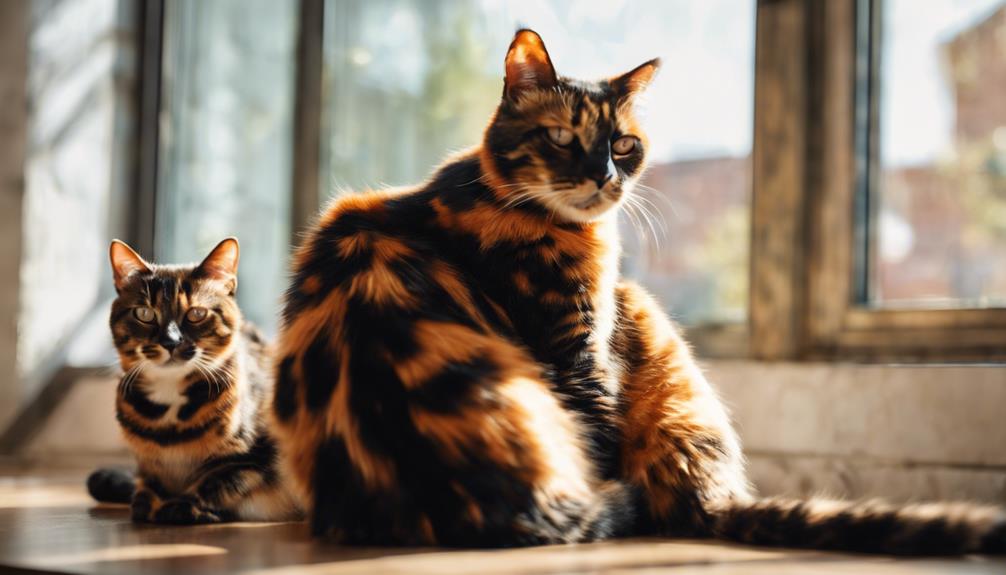
Factors influencing the gender distribution of tortoiseshell cats are primarily determined by their genetic composition.
- Female Dominance: Nearly all tortoiseshell cats are female due to the genetics of coat color determination being linked to X chromosomes.
- X Chromosomes: Female tortoiseshell cats possess two X chromosomes, carrying genes for black or orange coat color.
- Rare Males: Male tortoiseshell cats are rare and often sterile because they have an extra X chromosome, disrupting normal reproductive capabilities.
- Genetic Influence: The gender distribution of tortoiseshell cats is intricately tied to their genetics, impacting the likelihood of specific gender outcomes among these uniquely colored felines.
Understanding Tortoiseshell Cat Genetics
The genetic underpinnings of coat color in tortoiseshell cats play an important role in understanding their unique characteristics and predominance among female felines. Female tortoiseshell cats inherit two X chromosomes, which carry the genes for black and orange fur. This dual genetic makeup results in the distinct patchwork patterns seen in their coats.
In contrast, male tortoiseshell cats are rare and typically sterile because they possess an extra X chromosome (XXY). This additional chromosome disrupts normal male development and affects fertility.
Can Female Tortoiseshell Cats Have Tabby Stripes?
Yes, female tortoiseshell cats can have tabby stripes due to a genetic mutation known as “how tabby cats get stripes“. This unique combination creates a stunning coat pattern with a mix of vibrant colors and striped or mottled fur. The result is a gorgeous and one-of-a-kind feline companion.
Significance of Gender in Tortoiseshell Cats

In the domain of feline genetics, the gender of tortoiseshell cats holds a profound significance.
- Female tortoiseshell cats have two X chromosomes, carrying genes for black or orange coat color.
- Nearly all tortoiseshell cats are female due to the genetic link between coat color and sex chromosomes.
- Male tortoiseshell cats are rare and often have an extra X chromosome, leading to sterility.
- The male tortoiseshell cats that do exist are typically genetic anomalies with XXY chromosomes.
Understanding the genetic basis for the predominance of female tortoiseshell cats sheds light on their unique coloring and gender distribution. The intricate interplay between sex chromosomes and coat color genes showcases the complexity of feline genetics, especially in the domain of tortoiseshell cats.