Today
Daily care idea
Try one small enrichment or care habit today.
Open the idea libraryIndependent cat-care blog
Calm, practical cat-care guides for thoughtful cat people. Read a guide, run a weekly check-in, take a quiz, solve a care puzzle, or generate a small enrichment plan for tonight.

Today
Try one small enrichment or care habit today.
Open the idea libraryCare desk
Facebook visitors need a reason to keep exploring. This site now gives them quick actions: a weekly scan, a daily micro-habit, a play-style quiz, a safe-room puzzle, and generators that turn curiosity into something practical.
Rotates weekly
Refresh one cat-care routine.
Quiz
Find the movement style that gets more interest with less frustration.
Take the quizPuzzle
Choose responses in a new-cat settling scenario and get a care score.
Play the puzzleGenerator
Choose energy, time, and play style to get a five-day plan.
Generate a planToday
Try one small enrichment or care habit today.
Open the full idea libraryThis week
Scan appetite, litter, coat, water, play, and home safety before small issues become harder to read.
Run the weekly check-inInteractive
Find out whether your cat prefers ground stalking, air pouncing, puzzles, or quiet watching.
Take the quiz
A calm, practical checklist for new cat owners covering supplies, rooms, routines, vet prep, and the first week.

A step-by-step first three days plan for helping a new cat decompress, eat, explore, and trust the household.

Create a cat-friendly home with separated resources, vertical space, scratching options, quiet retreats, and predictable routines.
Come back often
A playful hub of cat-care quizzes, scenario puzzles, generators, daily prompts, challenges, and visual mini-guides.
Open this feature
Come back often
A weekly cat-care check-in with a five-minute health scan, enrichment theme, discussion prompt, and practical links.
Open this feature
Come back often
A rotating library of small daily cat-care ideas for play, confidence, grooming, safety, and home enrichment.
Open this feature
Come back often
Short, share-friendly cat-care challenges designed to help readers try one useful habit at a time.
Open this feature
Come back often
A month-by-month cat-care calendar with seasonal reminders, home checks, grooming prompts, and enrichment themes.
Open this feature
Come back often
A myth-buster library for shareable cat-care claims, social media advice, and common beginner misunderstandings.
Open this featureEstimate a starting daily calorie range from weight, age, body condition, and activity.
Try the toolConvert a cat's age into an approximate human-age comparison and life stage.
Try the toolPlan box count, placement, and minimum tray size for one or more cats.
Try the tool
Starter guides for building a safe, steady, low-stress life with a cat.

Plain-English feeding routines, food transitions, hydration, and weight basics.
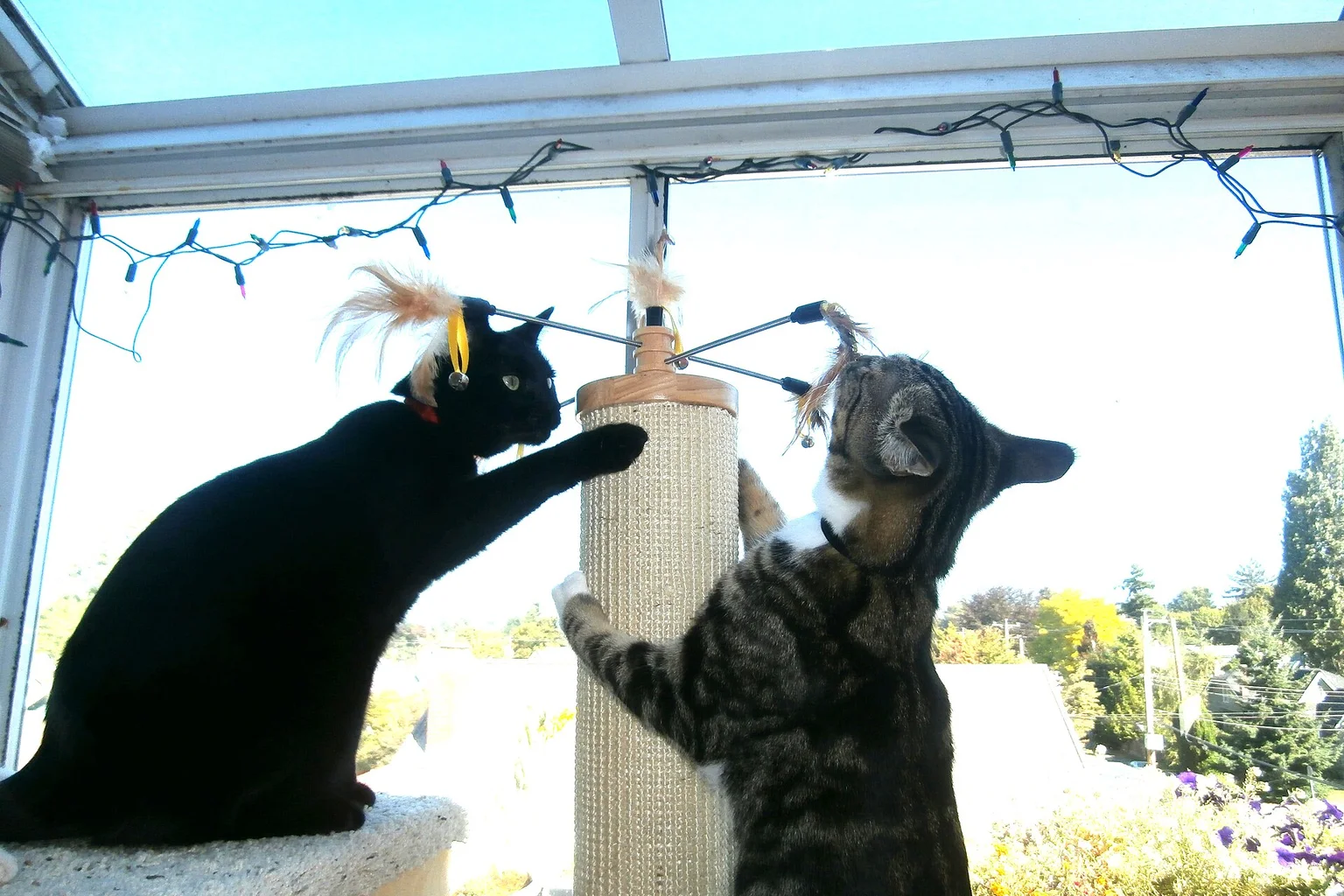
Understand cat signals, play, scratching, confidence, and everyday behavior puzzles.
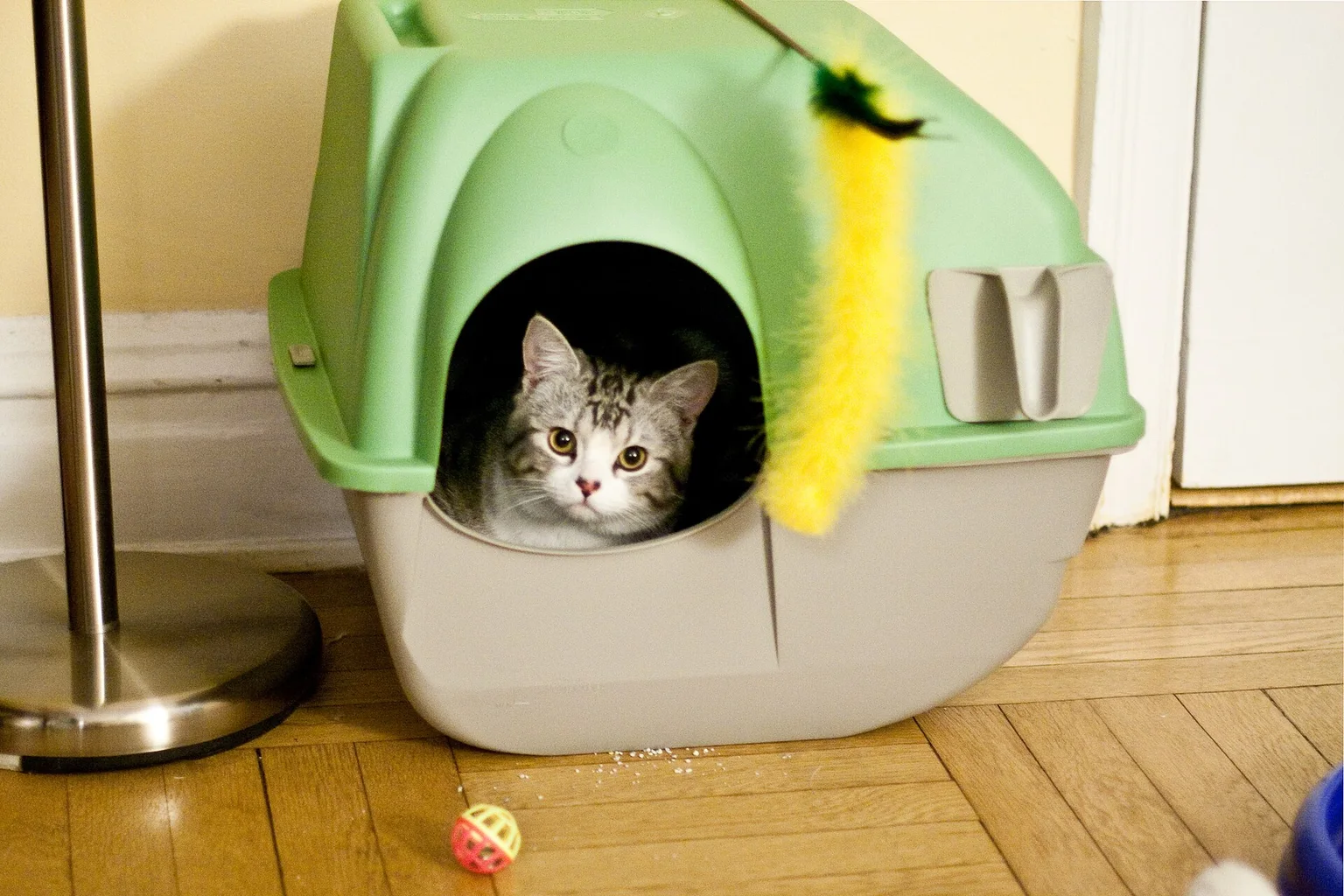
Litter box setup, cleaning, cat-proofing, home zones, and apartment-friendly ideas.

Gentle support for kitten setup, feeding, socialization, routines, and first-year milestones.

Educational red flags, preventive routines, vet-prep, safety checks, and household hazards.
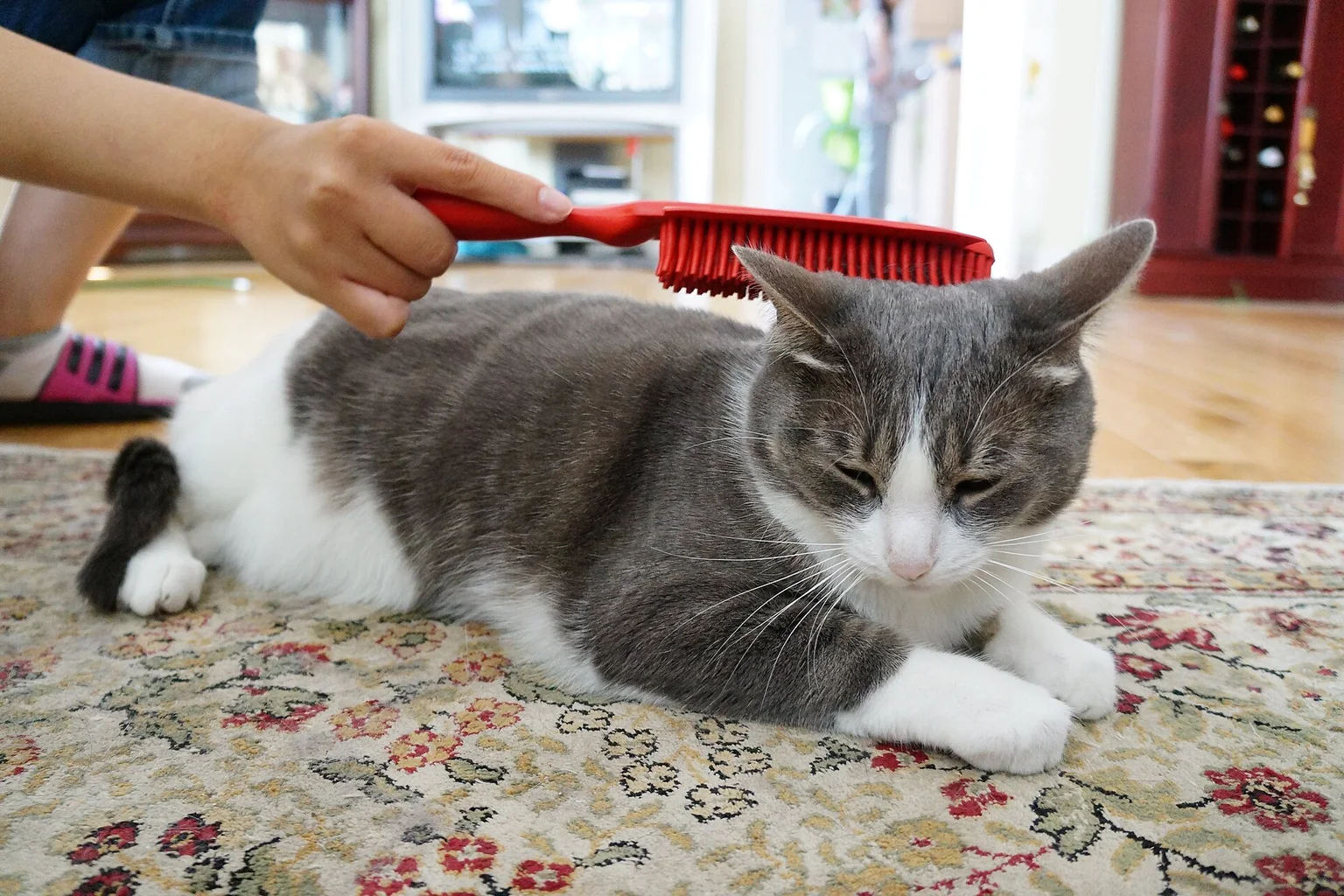
Brushing, nail trims, dental basics, shedding, hairballs, and low-stress handling.

Introductions, shared spaces, feeding plans, resource spacing, and harmony in cat homes.

State-by-state field guides to wild cats: panthers, bobcats, lynx and cougar reports, with state agency sources.
New here?
Start with the setup basics, then move through food, litter, body language, enrichment, grooming, health, and problem-solving.
Open Start HereHouse-soiling is usually medical, stress-related, or about box access and litter preference. Start with the box and the vet conversation, not the cat's attitude.
Indoor life removes hunting, climbing, and scratching opportunities unless you rebuild them. Enrichment is what keeps indoor cats calm, fit, and interested.
Purring can also show up in stressed or unwell cats. Read the whole body, the context, and the changes you notice over days.