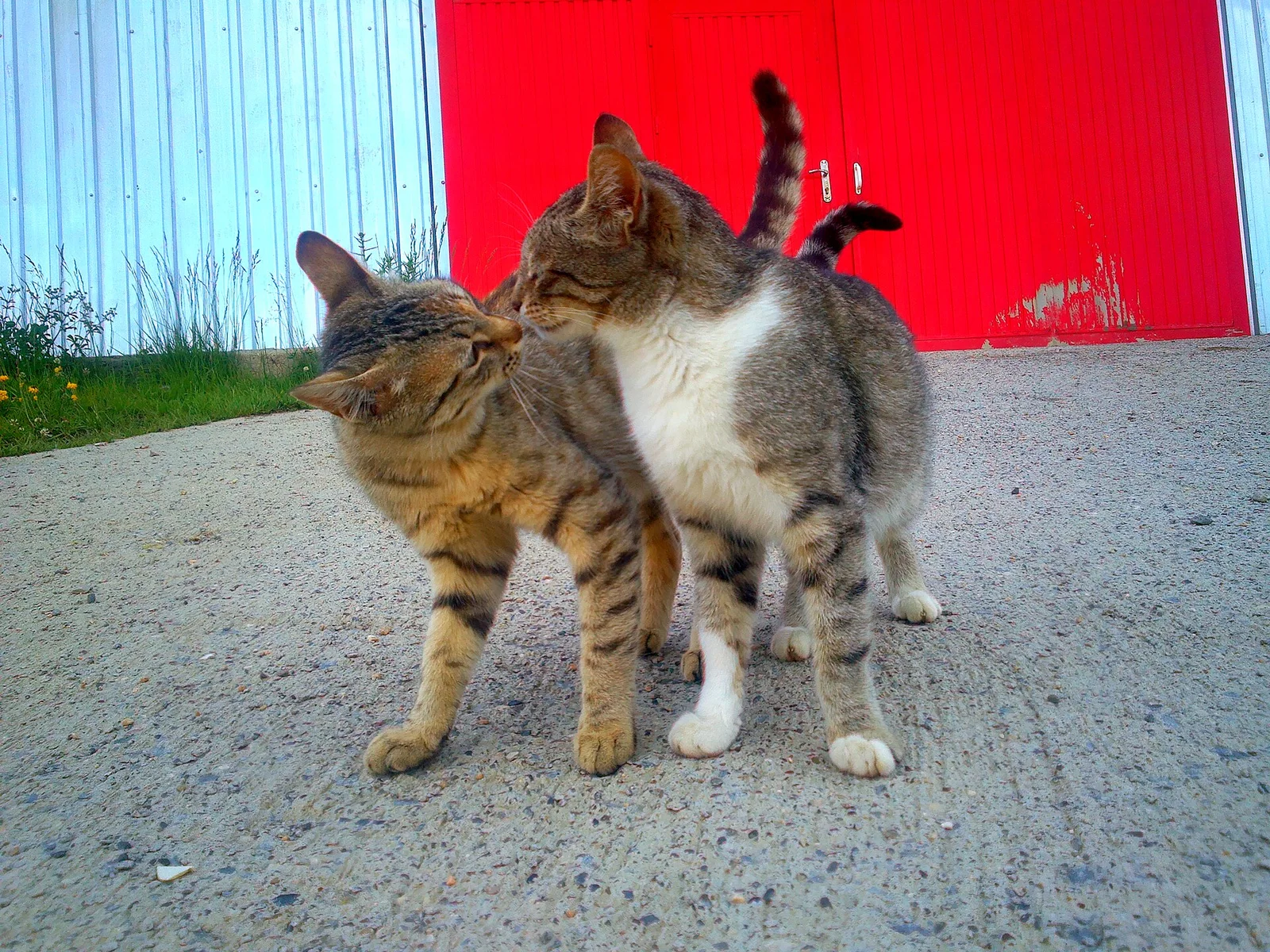
How to Introduce Two Cats Slowly and Kindly
A slow cat introduction plan using separation, scent, feeding distance, visual access, and supervised meetings.
Category
Introductions, shared spaces, feeding plans, resource spacing, and harmony in cat homes.
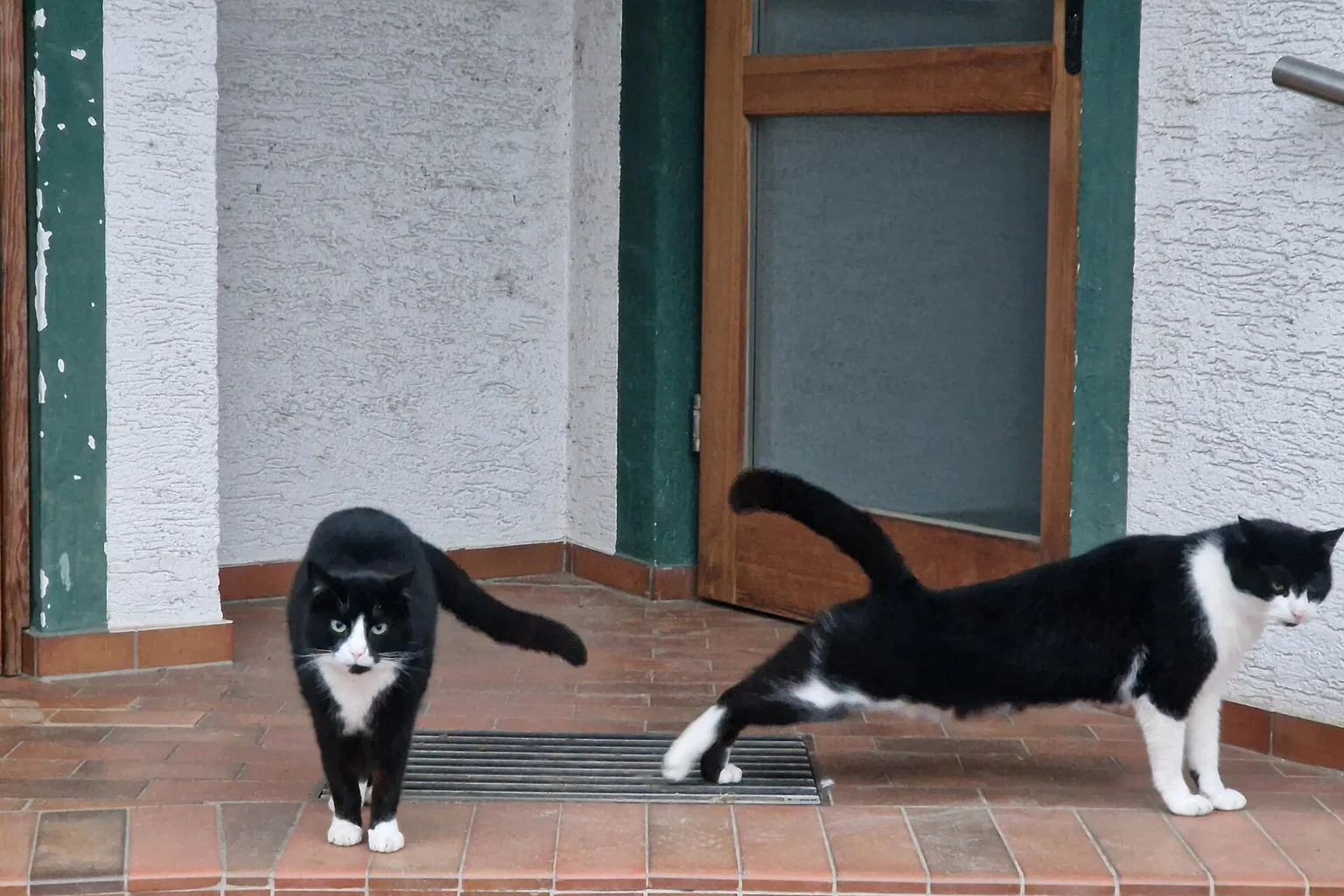
Cats do not share important resources with cats outside their own social group, and most homes are not one single group. The starting formula welfare organisations use is one of every resource per cat, plus one extra, in different locations, so no cat has to queue, guard, or suppress normal behaviour to avoid conflict.
| Resource | Minimum for two cats | Why the extra one matters |
|---|---|---|
| Litter trays | 3, in three locations | Trays grouped in one spot count as one resource, and cats block each other's access |
| Food stations | 3, out of sight of each other | Cats are solitary feeders who would rather skip a meal than eat beside a rival |
| Water bowls | 3, placed away from food | Water intake drops when a bowl is guarded or sits next to food |
| Scratching posts | 3, at different heights | Scratching is scent-marking, so a shared post becomes a flashpoint |
| Beds and hiding spots | At least 3, ideally more | Sleep is a coping strategy during tension, and beds get taken over |
| High perches | 3, each with two routes up | A single-access perch can be blocked, leaving a cat trapped on it |
Source: International Cat Care — Multi-cat households. If tension is already visible (blocking, staring, spraying, over-grooming), start with the slow introduction plan and the multi-cat feeding guide.
A slow cat introduction plan using separation, scent, feeding distance, visual access, and supervised meetings.
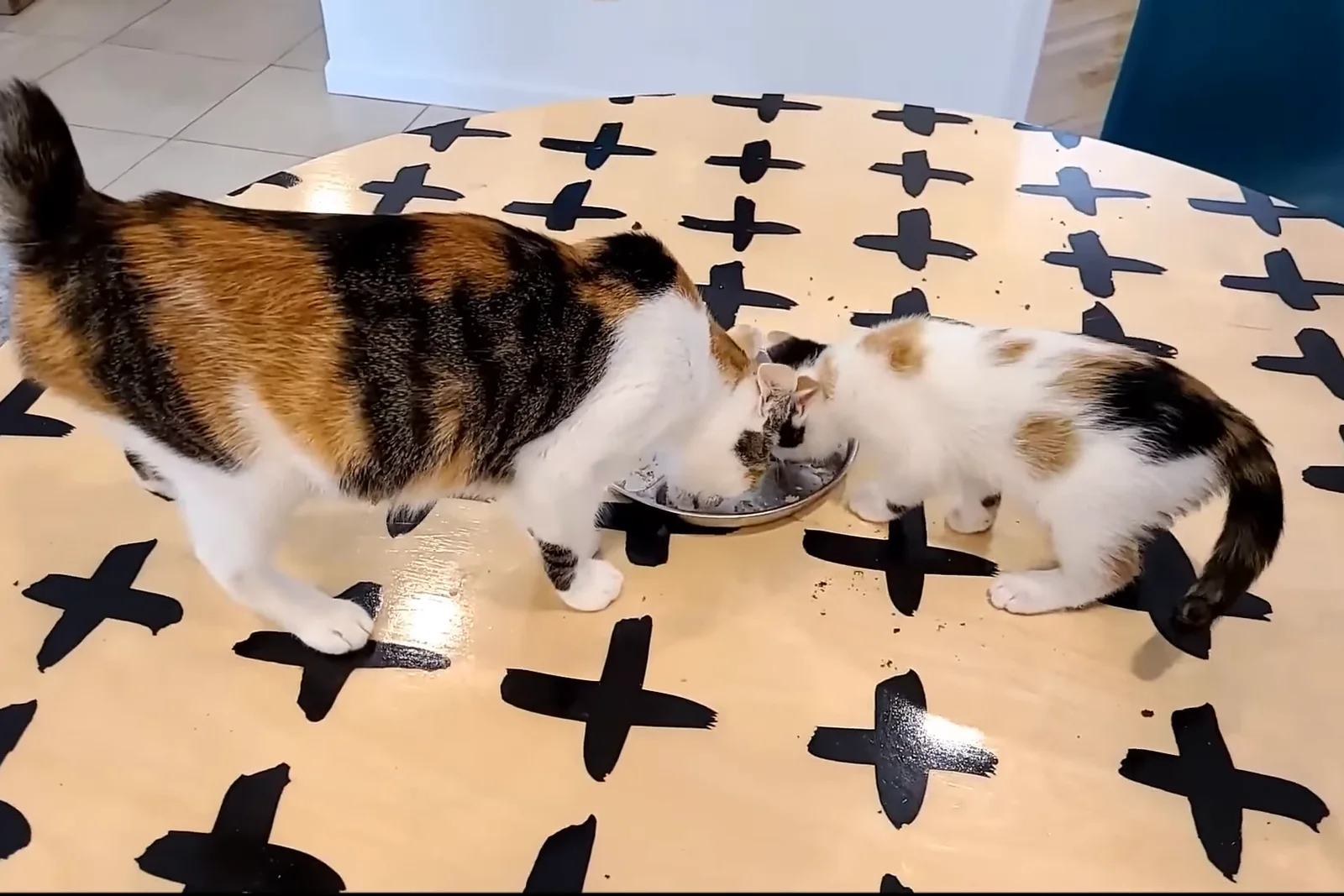
Plan calmer multi-cat meals with separated stations, measured portions, observation, and individual needs.