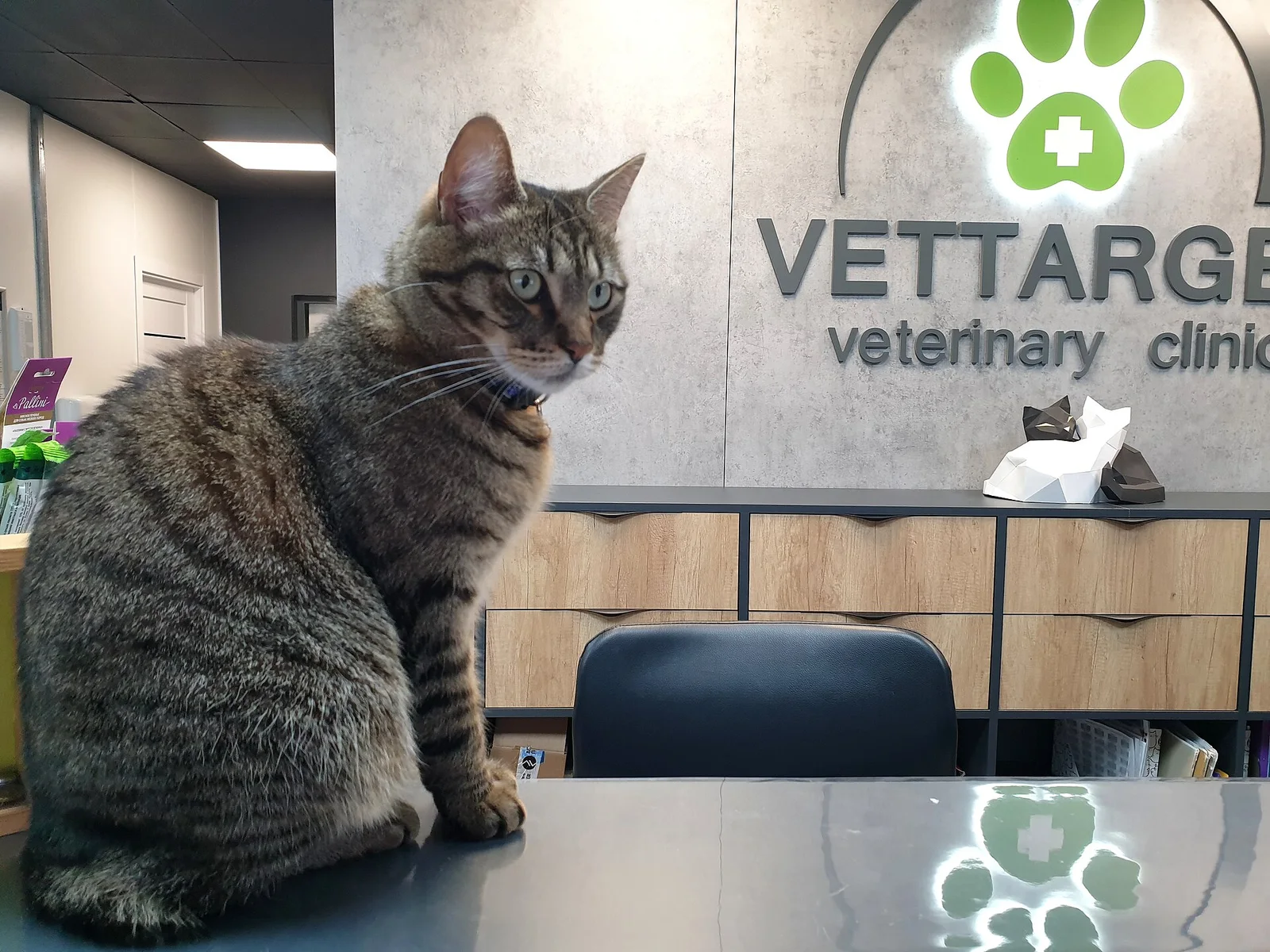
Vet Care Basics for New Cat Owners: Visits, Records, and Red Flags
Understand routine veterinary care, adoption exams, records, vaccine conversations, and signs that should not wait.
Category
Educational red flags, preventive routines, vet-prep, safety checks, and household hazards.
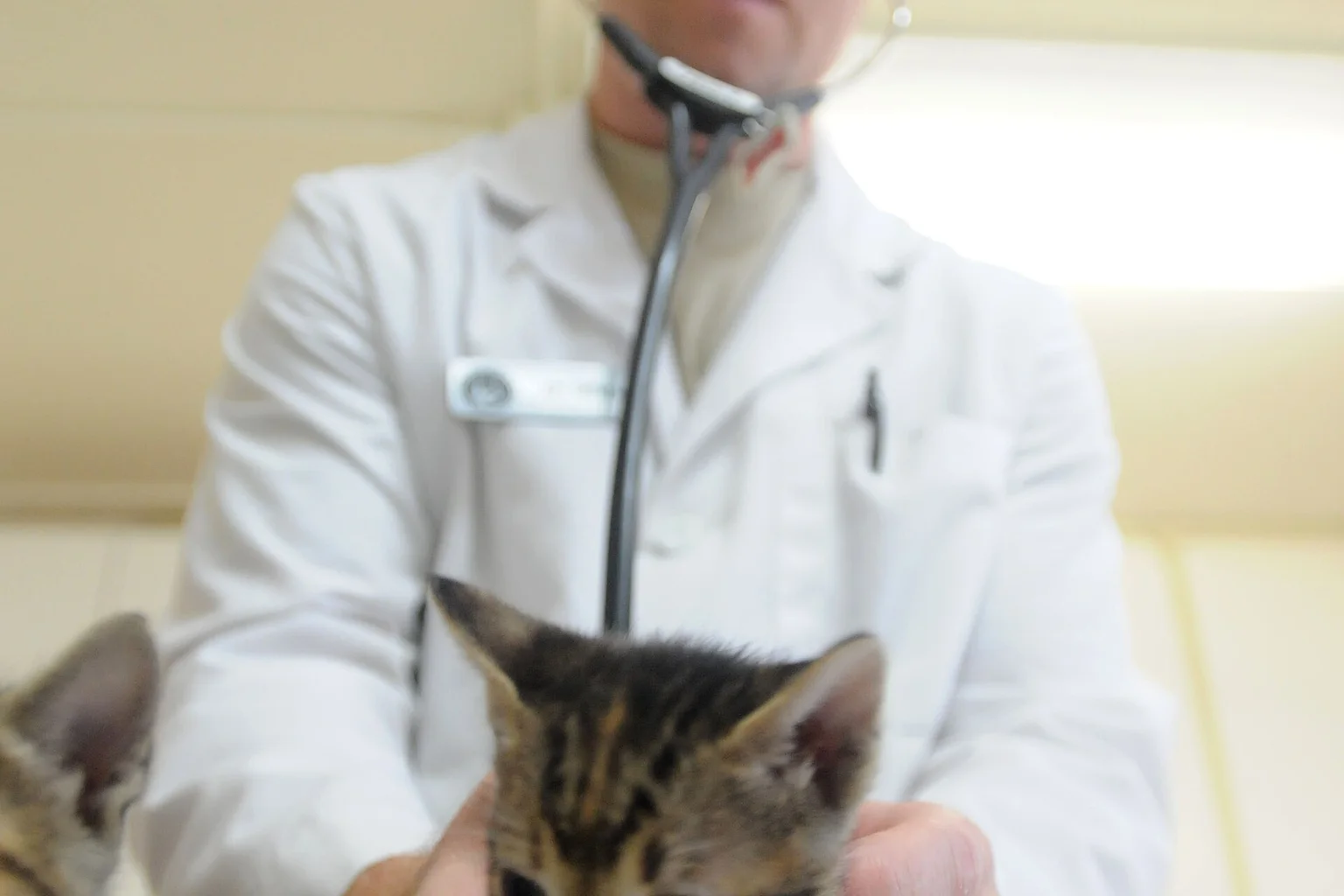
Most of what goes wrong with a cat's health announces itself quietly, in numbers you can actually watch at home. Cornell's Feline Health Center flags obesity as the most common nutrition-related problem in cats and the gateway to arthritis and diabetes, and it recommends a body condition score rather than guesswork: a 9-point scale where 5 is ideal — ribs palpable under a slight fat covering, a visible waist behind the ribs, and only a minimal fat pad on the belly. A cat scoring 1 has no palpable fat at all and visible bone; a cat scoring 9 has ribs you cannot feel. If you are unsure, ask your vet to set a target weight and check it at each visit.
Cornell also notes that cats vary enormously in how much food they need, so a bag's feeding guide is a starting point, not an instruction. Appetite and water are the two easiest early signals:
| What you are seeing | Why it matters | Next step |
|---|---|---|
| A cat that refuses food and is losing weight | Cornell warns a cat that stops eating can develop serious medical problems, and losing weight makes it worse | Book a vet visit rather than trying a different food first |
| Weight creeping up over months | Obesity is the most common nutrition problem and a risk factor for arthritis and diabetes | Ask your vet for an ideal weight, then measure meals instead of free-feeding |
| Eating fine but the coat, litter or energy changes | Cats adapt to some discomfort rather than showing pain | Mention the change at the next check; earlier detection is the point of senior-stage monitoring |
| A sudden avoidance of the litter box | Tray avoidance can be stress, but it can also be pain — a cat that associates the tray with discomfort will look for somewhere else | If it starts suddenly, treat it as a health question before a training one |
Two safety basics round out this category. Supplements are not a DIY fix — Cornell advises against giving vitamins or minerals without a vet's approval, and a cat that refuses food is a vet case rather than a food case. And because cats hide discomfort, the annual check-up is doing more work than it looks: it is where weight trends, teeth and a physical exam catch things the owner cannot see at home.
Related reading: when a cat will not eat, the vet care basics guide, hairballs and when to worry and litter box hygiene.
Understand routine veterinary care, adoption exams, records, vaccine conversations, and signs that should not wait.
A room-by-room cat-proofing guide for cords, plants, small objects, windows, cleaners, food hazards, and hiding spots.
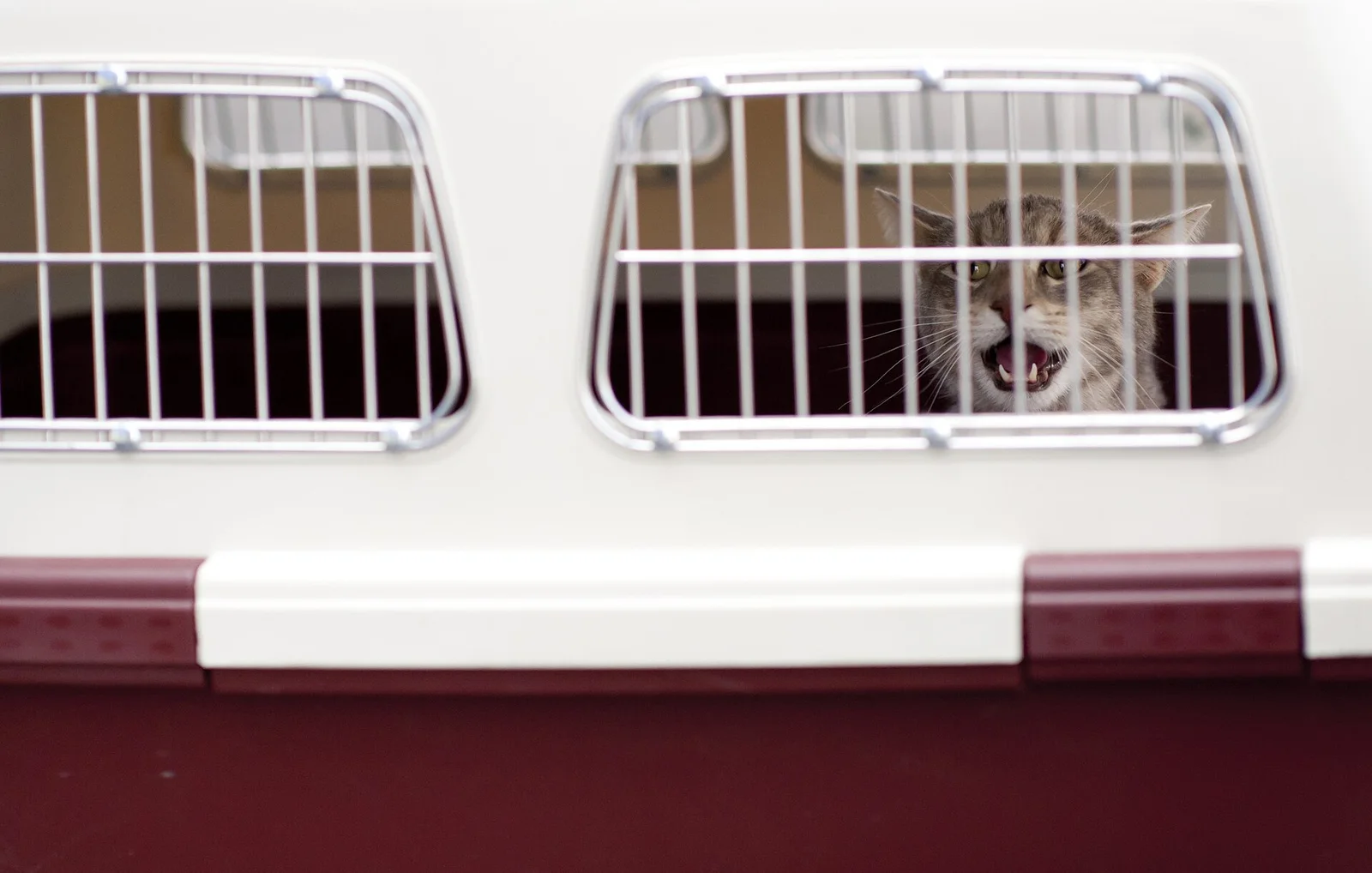
Pick a practical cat carrier and make it familiar with bedding, treats, short sessions, and calm transport habits.
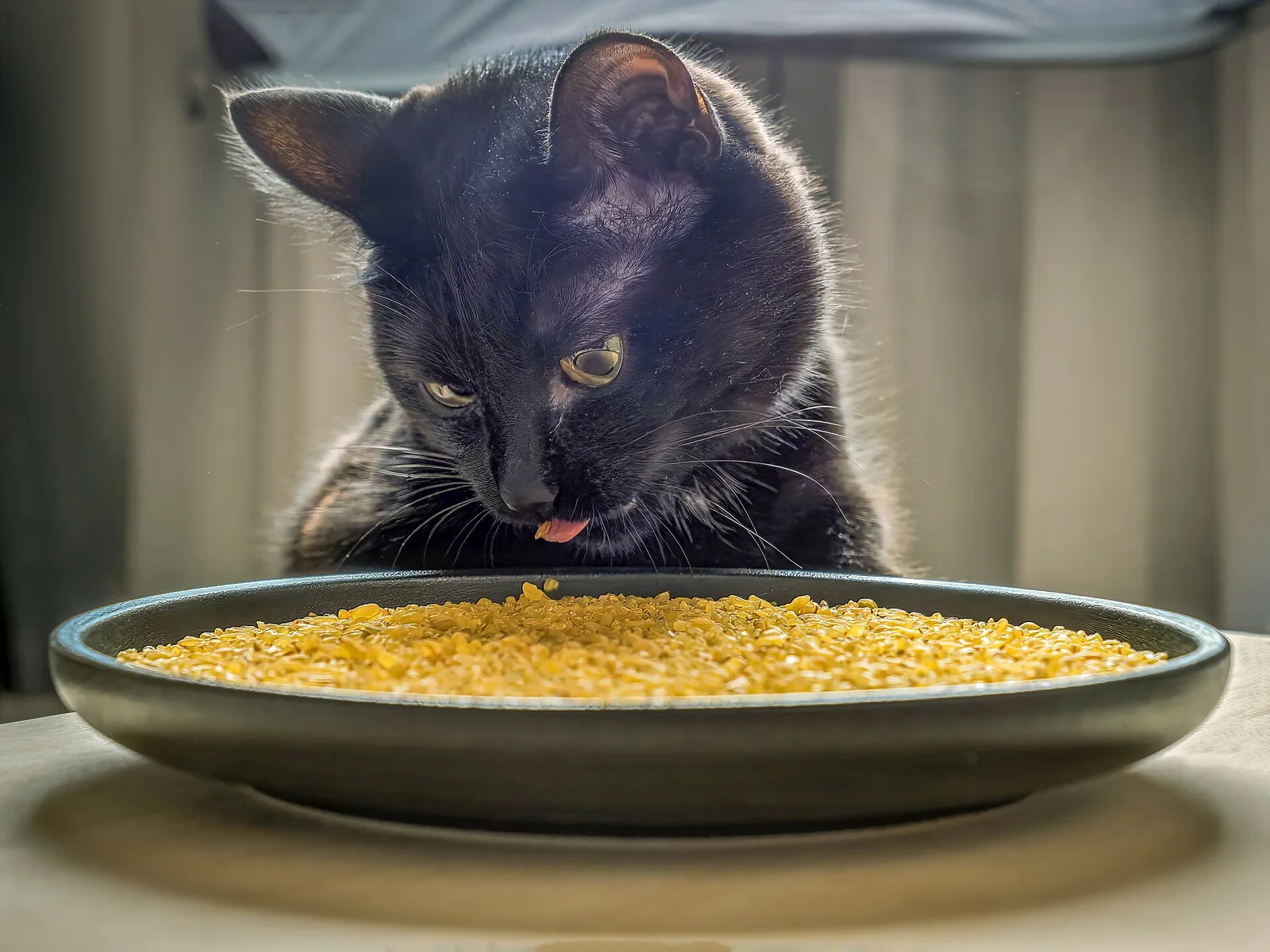
A calm appetite checklist for cats who skip food, including food changes, stress, nausea signs, and urgent veterinary boundaries.