Quick Answer
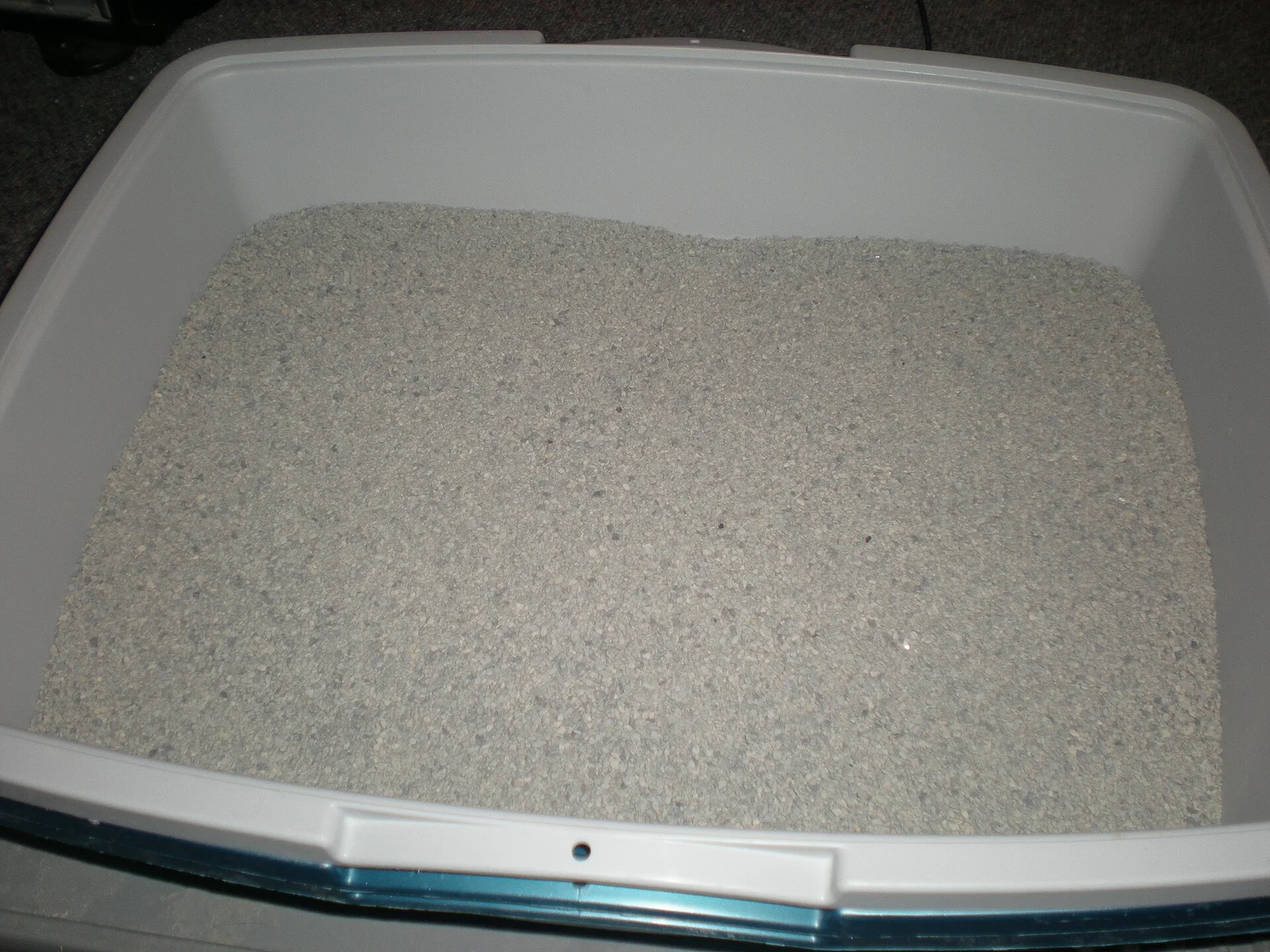
Scoop twice a day, wash the empty box with mild unscented detergent every two to four weeks, and keep an open box with about 3 cm of unscented clumping litter. That rhythm — not fancier litter or gadgets — is what keeps most cats happy and most homes odor-free. If a previously reliable cat suddenly avoids a box you keep clean, treat it as medical until proven otherwise, not as a cleanliness failure.
- Daily: scoop solids and clumps twice; top up litter to keep depth steady.
- Weekly: wipe the rim and lid; check for stuck litter and odor.
- Monthly: empty, wash, rinse thoroughly, dry, refill.
The cat symptom checklist helps you record any litter-habit changes worth mentioning to your vet.
Why the Routine Matters More Than the Products
Cats have a nose roughly fourteen times more sensitive than yours, and they evaluate their bathroom the way you would evaluate a public restroom — except they cannot leave and find another one. The single most common cause of litter box avoidance is a box that does not smell clean to the cat, and the single most common cause of that is human scoops that happen "whenever I remember." International Cat Care is unambiguous: cats strongly prefer a clean tray, and a tray cleaned once a day or less is one of the most frequent triggers for soiling elsewhere (iCatCare: Soiling indoors).
There is a second, quieter reason to keep the routine honest: the box is a health dashboard. Changes in volume, frequency, color, or effort are often the first sign of urinary disease, diabetes, or kidney problems — and you only notice those changes if you are looking into the box twice a day instead of once a week. A cleaning routine is preventive healthcare with a scoop in hand.
The Routine: Daily, Weekly, Monthly
Twice-daily scooping (about two minutes total). Morning and evening, scoop solids and clumps, and top up the litter so depth stays around 3 cm. Cats dig to bury, and there is nothing to bury in a shallow tray. If twice a day feels like a lot, remember the alternative math: one accident cleanup takes longer than a week of scooping.
Weekly rim-and-lid pass (about five minutes). Wipe the rim, lid, and outside of the box with a damp cloth and a drop of mild unscented dish soap. Urine residue clings to plastic and builds a smell no amount of fresh litter masks. This is also the moment to check the scoop and bin for buildup.
Monthly full wash (about ten minutes). Empty the box completely, wash with hot water and mild unscented detergent, rinse until the water runs clear, and dry it before refilling. Skip bleach, ammonia cleaners, and phenol-based disinfectants — strong chemical smells can drive a cat away from the box entirely, and some are genuinely toxic to cats at the concentrations a cleaned tray can hold. If your cat has been avoiding the box, our guide to cats peeing outside the box covers the full medical-first checklist; this article is about the maintenance side.
Non-clumping litter needs a faster cadence: because the urine stays in the tray, a full wash every week is closer to right. The litter box planner can also help you decide whether your box count and placement are part of the problem before you invest more effort in cleaning.
Setup Notes That Make Cleaning Easier
The right box makes the routine sustainable. Open boxes are dramatically easier to scoop and wash than hooded ones, and most cats prefer them — a hood traps odor at the cat's nose level and blocks the sightlines a cat wants while eliminating. 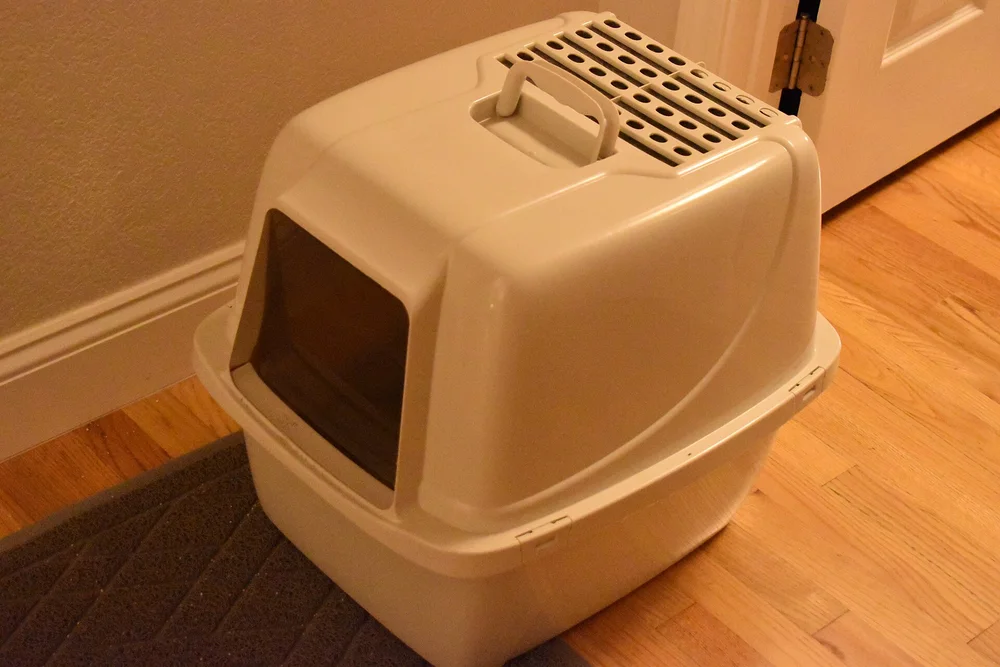
Practical upgrades that pay for themselves: a second scoop so one lives at each box; a small bin with a lid and a liner at the scoop station so you never carry clumps across the house; and a washable mat under the box to catch tracked litter. Size also matters for cleaning — a box that fits in your sink or tub is easier to wash properly than a jumbo tray that only fits in the shower. Our litter box setup guide covers choosing box size and litter in detail.
A Practical Example
A reader with one very picky cat described her system as "I change it when it smells." Her cat had started urinating on the bath mat weekly — always on day four or five after a scooping session. The fix was not punishment or a new box: she moved scooping to morning and evening, kept a small covered bin beside the box, and set a phone reminder for the monthly wash. The bath mat has stayed dry for months, and she reports the whole routine takes about four minutes a day — less than the accident cleanup used to.
Notice what was not involved: no scented litter, no litter deodorizer, no expensive self-cleaning gadget. Scented products exist to reassure humans; a cat's nose reads "fresh meadow" as a chemical wall. Unscented, scooped reliably, beats scented and neglected every time.
Small Tips That Make This Easier
Keep the scoop in a holder right beside the box — the friction of fetching it from the cupboard is what turns "scoop now" into "scoop later."
Set the monthly wash to the same day as another monthly habit (phone bill day, rent day) so it stops being a floating chore.
If you line the box, use only liner bags made for litter boxes and replace them at the full wash; a torn liner under fresh litter becomes a hidden odor sponge. Many cats also dislike the texture change liners create under their paws — if your cat starts scratching the sides of the box, try a week without the liner.
Wash your hands after every scoop and keep the scoop station ventilated. And when you do the monthly wash, leave the box to dry in the sun if you can — sunlight is a free, chemical-free sanitizer.
Common Mistakes
- Scooping once a day or "when it smells." By the time you can smell it, the cat has been smelling it for days.
- Deep-cleaning with bleach or phenol products. Toxic risk for cats and a classic box-avoidance trigger. Mild unscented detergent and hot water are enough.
- Refilling a damp box. Wet litter clumps to the bottom and harbors odor; dry thoroughly between washes.
- Topping up forever without a full change. Clumping litter still needs a monthly reset; "we only ever add more" is how boxes develop a permanent base smell.
- Using scented litter or deodorizers to mask odor. You are treating the symptom your scooping should have prevented, and the scent can repel the cat.
- Treating sudden avoidance as a cleaning failure. A reliable cat who suddenly stops using a clean box deserves a vet visit, not a stricter schedule.
When to Call a Vet
If your cat suddenly avoids the box, strains, cries while urinating, passes blood, or produces only tiny amounts — especially a male cat — call a veterinarian promptly; these can signal urinary disease that turns serious fast. Box avoidance plus increased drinking, weight loss, or vomiting also warrants a same-week appointment. Cat Cafe Central is educational and cannot diagnose your cat.
Trusted Sources
Related Guides and Tools
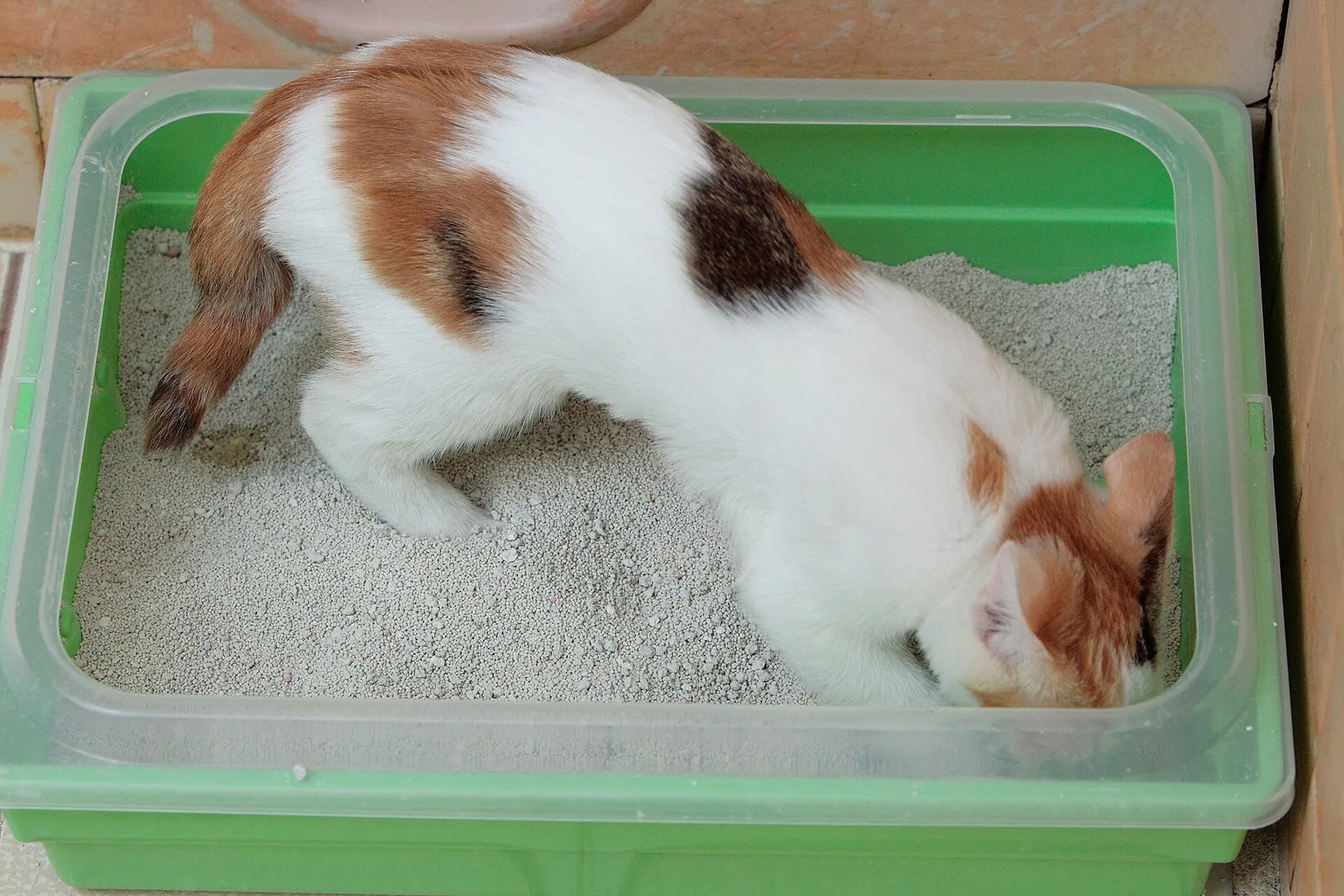
Litter Box Setup 101: Boxes, Litter, Placement, and Cleaning
Set up a litter box system cats are more likely to use: right size, right location, enough boxes, and simple cleaning habits.
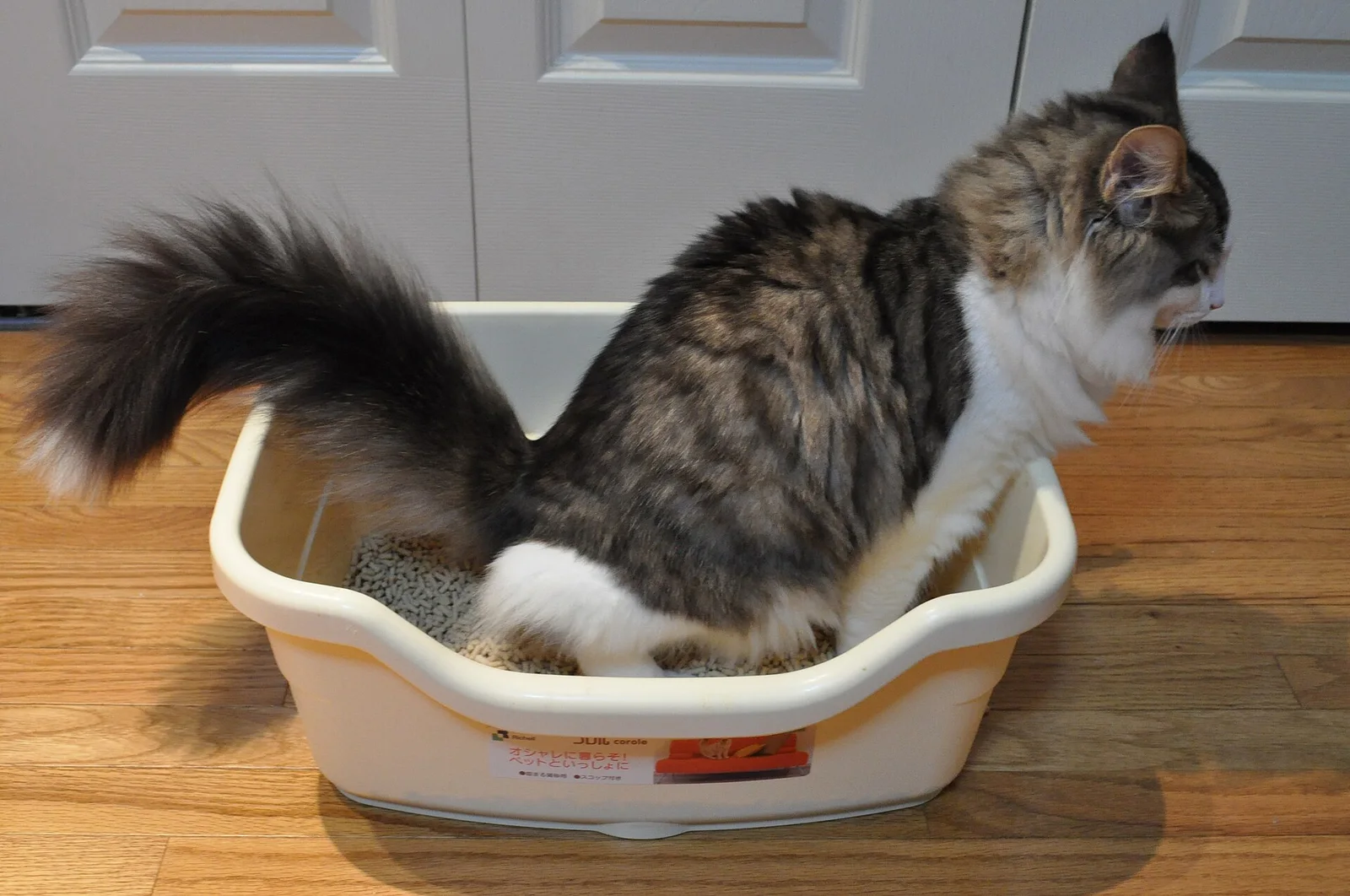
Cat Peeing Outside the Litter Box: What to Check First
A cautious guide to litter box accidents, including urgent urinary red flags, setup checks, cleaning, and stress factors.

How to Set Up a Cat-Friendly Home Without Overcomplicating It
Create a cat-friendly home with separated resources, vertical space, scratching options, quiet retreats, and predictable routines.
Related glossary: Litter Depth, Litter Box Avoidance, Unscented Litter.