Quick Answer
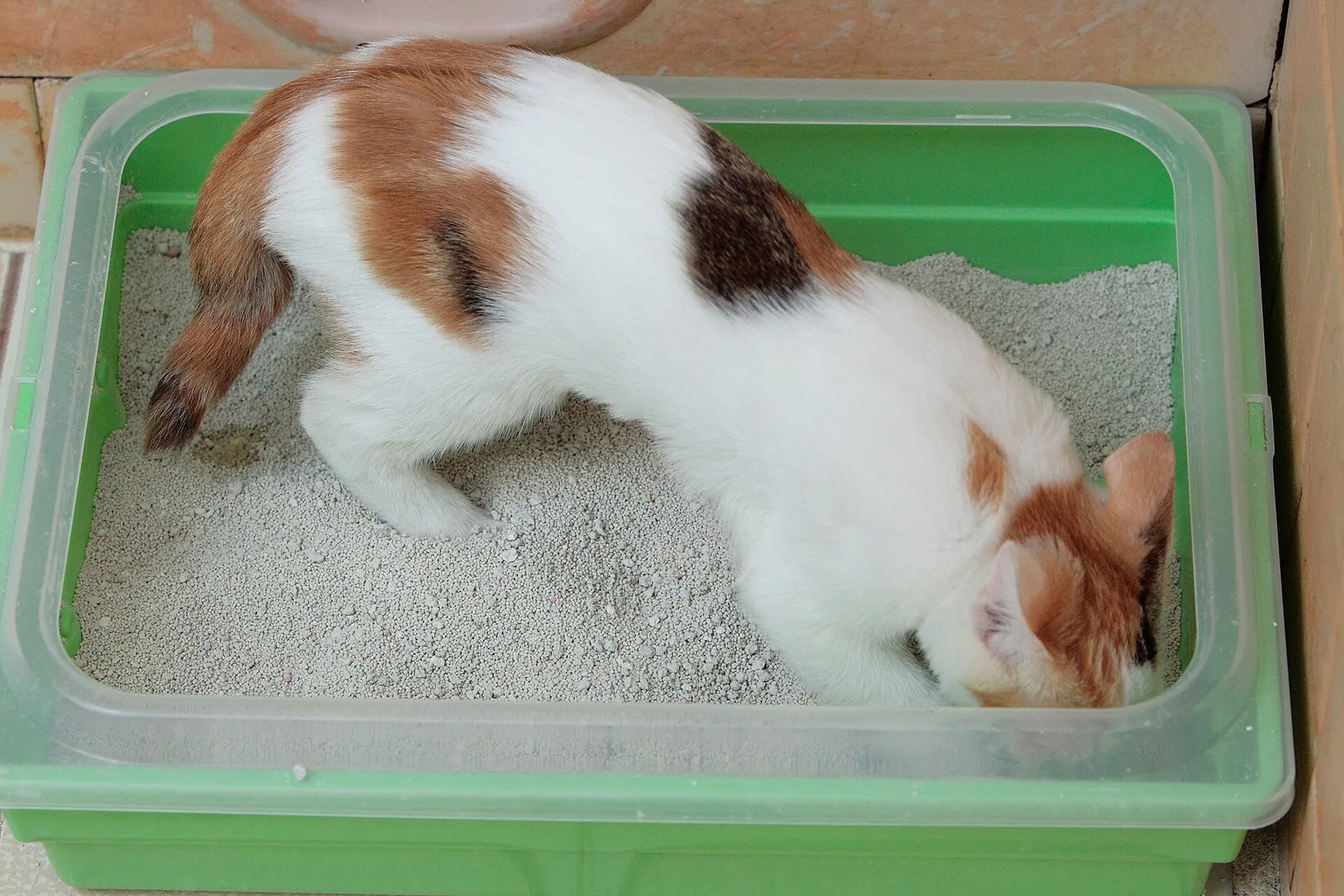
Get four decisions right and the rest is routine: one box per cat plus one spare, placed in quiet corners in different rooms; an open box at least 1.5× your cat's body length; unscented clumping litter about 3 cm deep; and scooping twice a day. Nearly every "cat won't use the box" story traces back to one of these four being off — usually size or cleanliness.
- Big box, open top, unscented litter is the safest default for most cats.
- Spread boxes across rooms; never line them up side by side.
- If your cat is already avoiding the box, our guide to cats peeing outside the litter box starts with a rule-out checklist.
Why Setup Matters This Much
Toileting is the one cat behavior where a small human choice — box size, litter depth, location — can override months of good training. Cats do not avoid boxes out of spite. They avoid boxes that feel trapped, dirty, small, or noisy, because in nature a cat eliminates away from its core territory precisely so predators cannot track it. Your bathroom "just fine for us" may read to a cat as an ambush site.
The research base here is practical. International Cat Care notes that studies show cats prefer roughly 3 cm of litter, a tray about one and a half times the cat's nose-to-tail-base length, and quiet positions away from food, water, and busy walkways (iCatCare: Choosing a litter tray). None of that is expensive — it is mostly about un-learning what the retail aisle tells us cats want: hoods, deodorizers, and tiny novelty trays.
Choosing the Box
Size first. The box should be about 1.5 times your cat's length. Most retail boxes are built for the average shelf, not the average cat; a large storage tote with a low-cut entry often beats anything sold as a "jumbo" box. Senior cats and kittens need one low side for easy climbing — arthritis changes what "easy access" means.
Open beats covered, as a default. Hoods trap odor at cat-nose level (thousands of times more sensitive than yours), block sightlines a cat wants while eliminating, and turn cleaning into a chore you skip. Some individual cats do prefer a hood — offer both for a week if you are curious, and let the cat vote. If you switch anything, switch it one variable at a time and watch for a week.
Skip the gadgets until you need them. Self-cleaning boxes scare noise-sensitive cats and hide the evidence that tells you something is wrong — a vet can learn a lot from what is in the box, and you lose that signal when a machine bags it automatically.
Litter Choice and Depth
Most cats prefer fine, unscented, clumping litter — it most closely mimics the sand-like texture instinct favors. Scented litters exist for humans, not cats; a nose that sensitive experiences "fresh lavender" as a wall of perfume. Unscented clumping, scooped reliably, smells less than scented litter left uncleaned, because the odor problem is never the litter — it is the contents.
Depth matters more than people expect: around 3 cm, deep enough to dig and cover, shallow enough to stay stable under paws. Cats with mobility issues do better with slightly shallower litter and a low entry. If you switch litter brands, do it across a week of blending rather than a one-day swap — sudden texture changes are a classic trigger for box avoidance.
One cleaning note that protects more cats than any product: avoid disinfectants containing phenols or ones that go cloudy in water (Dettol-type products are toxic to cats). Hot water and a mild, unscented detergent, rinsed and dried thoroughly, is the safe default (iCatCare: Soiling indoors).
Box Types and Sizes Compared
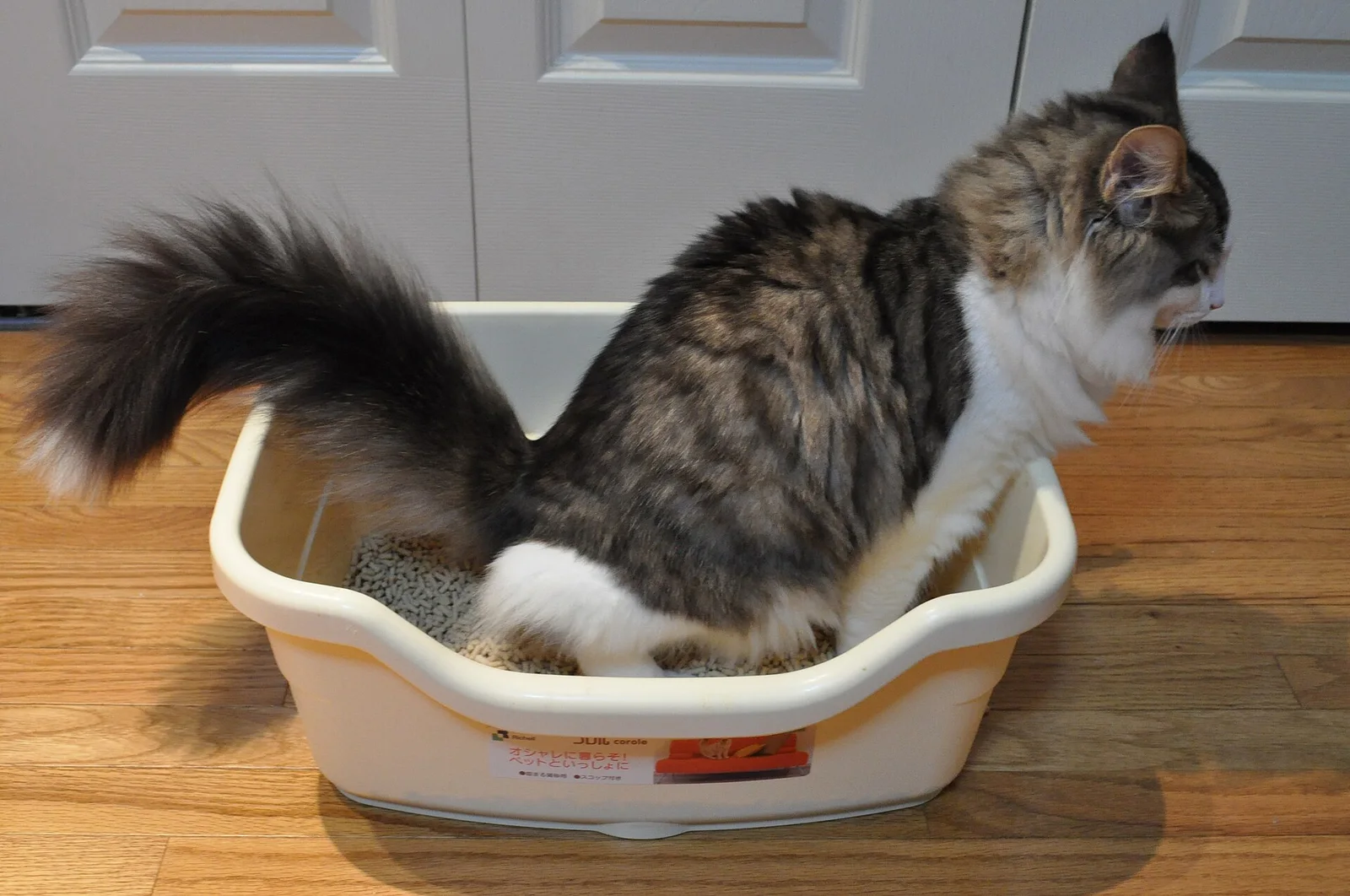
A box should be roughly one and a half times the length of your cat, measured from nose to the base of the tail. The standard box in most shops is smaller than that for an adult cat, and a cat who cannot turn around comfortably in the box is a cat who may start going next to it.
| Box type | Best for | Watch out for |
|---|---|---|
| Open, low-sided | Most cats, kittens, and senior cats with reduced mobility | More litter scatter and less odour containment for the household |
| Open, high-sided | Cats who dig hard or urinate over the edge | Harder entry for older cats, kittens, or a cat recovering from surgery |
| Covered or hooded | Small flats where a little odour control matters | Traps smells and leaves one exit — a common reason cats refuse a box |
| Top-entry | Fully mobile cats who spill a lot | Awkward for many adults and frequently avoided by senior cats |
Whatever you pick, offer a choice: one box per cat plus one extra, with at least one of them open and low-sided. Placing an open box and a covered box in different rooms tells you what your own cat prefers without guessing, and it removes the single most common cause of box avoidance.
Placement and the Multi-Cat Rule
Location is a quiet deal-breaker. The ideal spot is a quiet corner with an easy exit — cats want to see approaches while eliminating. Avoid next to noisy appliances, beside full-length windows or cat flaps that feel exposed, near food and water bowls, and at the end of a dead-end corridor where another pet could trap them.
Count matters as much as place. One box per cat plus one spare, in different rooms, never side by side — two boxes next to each other read as one territory, and a cat blocking access blocks both. In a two-cat home that means three boxes in three separate locations. If your home layout makes that awkward, the litter box planner works through the count-and-placement logic for your specific rooms.
Multi-cat feeding and toileting share a principle: resources spread out, never funneled. Our guide to multi-cat feeding covers the same logic at the food bowls.
The Cleaning Routine That Prevents Problems
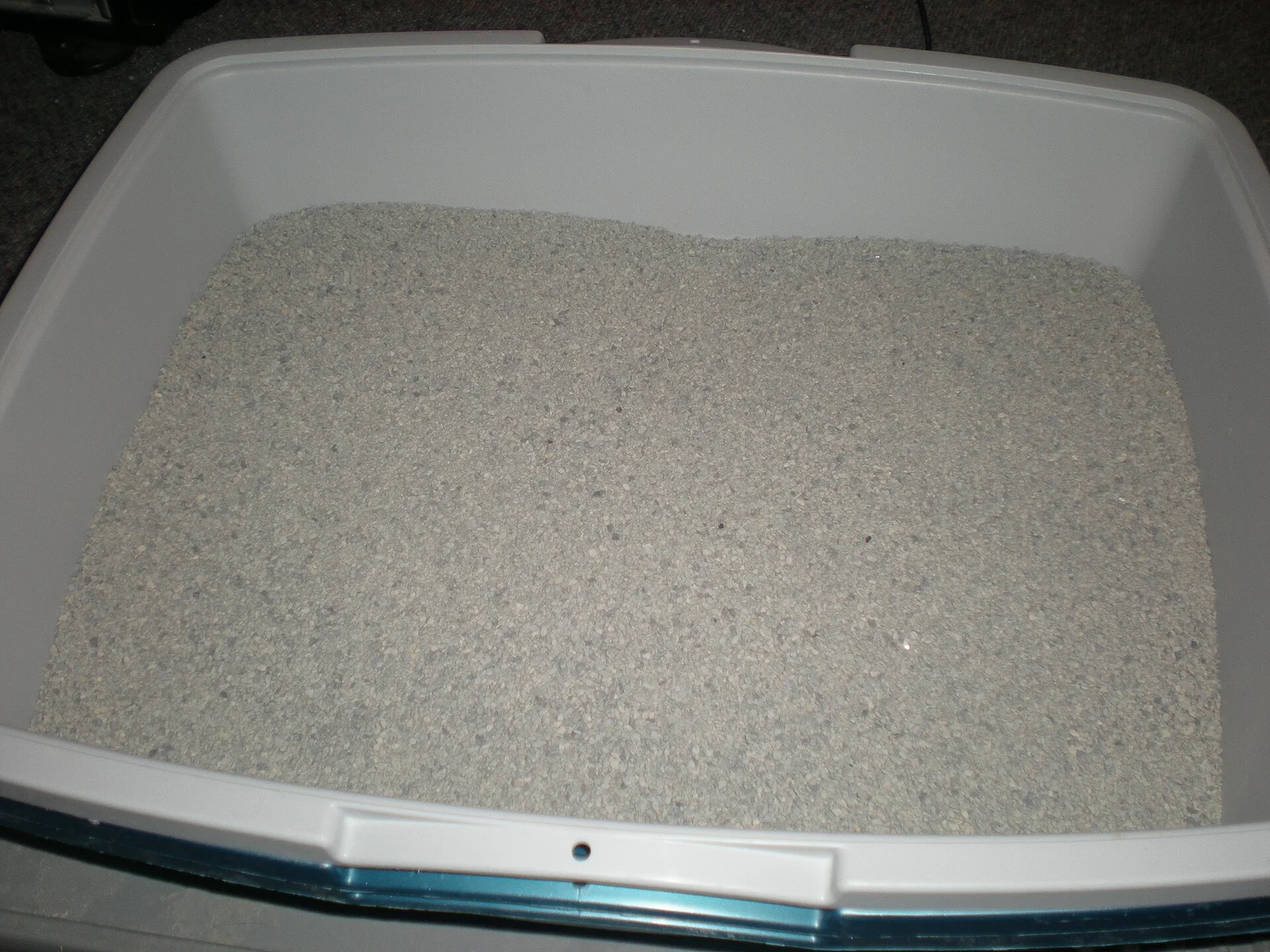
Scoop solids and clumps at least twice daily; top up litter to keep depth steady. Wash the empty box with mild detergent weekly to monthly depending on litter type — clumping setups usually need a full wash every 2-4 weeks, non-clumping weekly. A shallow permanent "scoop station" (small bin, sieve scoop, liners) drops the friction of twice-daily scooping to seconds, which is the real secret of boxes that never get protested.
Our step-by-step litter box cleaning routine expands this into a two-minute daily habit, and the monthly deep-clean takes ten. It is the highest-return two minutes in cat care: most box avoidance traces to cleanliness lapses that seemed minor at the time.
A Practical Example
A household with two cats kept one large covered box in the bathroom. One cat began urinating beside it. The fix was not a new cat — it was three changes, one at a time: uncovered boxes, a third box in the living room corner, and twice-daily scooping. The stray marking stopped within a week, because the box finally worked for the cat who had been quietly enduring it.
Notice what was not tried: punishment, scented litters, or "training" the cat. When a box stops working for a cat, the environment is the lever. Change it early, before a preference for the bath mat hardens in.
Common Mistakes
- Boxes too small. The most common and cheapest fix in all of cat care.
- Hoods by default. They serve human aesthetics; many cats find them claustrophobic and smelly.
- Boxes side by side. To a cat, that is one box with two entrances.
- Scented litter or liners. Both are frequent avoidance triggers.
- Once-a-day scooping (or less). Twice daily is the standard; cats are cleaner than we are about this.
- Sudden full changes. Move the box meters at a time if you must relocate; swap litter across a week.
When to Call a Vet
Box avoidance with straining, frequent small urinations, blood in urine, crying in the box, or sudden onset in a previously reliable cat can signal urinary disease, which in male cats is an emergency. Do not assume behavioral first — rule out medical. Cat Cafe Central is educational and cannot diagnose your cat.
Trusted Sources
Related Guides and Tools
How to Clean a Litter Box: A Realistic Routine Cats Appreciate
Build a litter box cleaning rhythm that controls odor, supports litter box use, and avoids harsh scents cats dislike.
Cat Peeing Outside the Litter Box: What to Check First
A cautious guide to litter box accidents, including urgent urinary red flags, setup checks, cleaning, and stress factors.

How to Set Up a Cat-Friendly Home Without Overcomplicating It
Create a cat-friendly home with separated resources, vertical space, scratching options, quiet retreats, and predictable routines.
Related glossary: Litter Box Avoidance, Unscented Litter, Resource Station.