
Quick Answer
A cat-friendly home gives a cat five things at all times: a clean litter tray, somewhere to scratch, somewhere to hide, somewhere high to sit, and something to do. Set those up in each room the cat uses, keep the furniture arrangement boringly stable, and you have solved about 80% of indoor cat life before any behavior problem starts (iCatCare: Making your home cat friendly).
- Five needs, every day: litter, scratch, hide, perch, play. If a room offers none of them, the cat will invent one — usually on your furniture.
- Weight it toward the cat's point of view: stable scent, predictable furniture, high routes, and quiet corners beat expensive accessories.
- Add, don't rearrange. Cats build a mental map of their territory; moving everything "to freshen up" resets their confidence.
Why "Cat Friendly" Is Really "Cat-Led"
Cats are described by feline welfare organizations as territorial animals that need to control their environment and feel that escape and hiding are always available. A home that ignores this does not just look sparse to a cat — it feels insecure. The fix is less about shopping and more about agreeing to keep the cat's world predictable: the same tray positions, the same resting places, food where food has always been (Ohio State Indoor Pet Initiative: Basic Indoor Cat Needs).
This guide pairs with our cat-proofing guide: that one removes dangers, and this one adds the good stuff. Done together, they mean a cat who has no reason to practice "problem" versions of perfectly normal behaviors.
One idea ties it all together: scent. Every rubbing, scratching, and sleeping spot tells a cat "this is mine and it is stable." That is why a slightly scruffy home that never moves beats a showroom that gets rearranged every month — familiarity is the feature, not the decoration.
The Five Needs, Explained
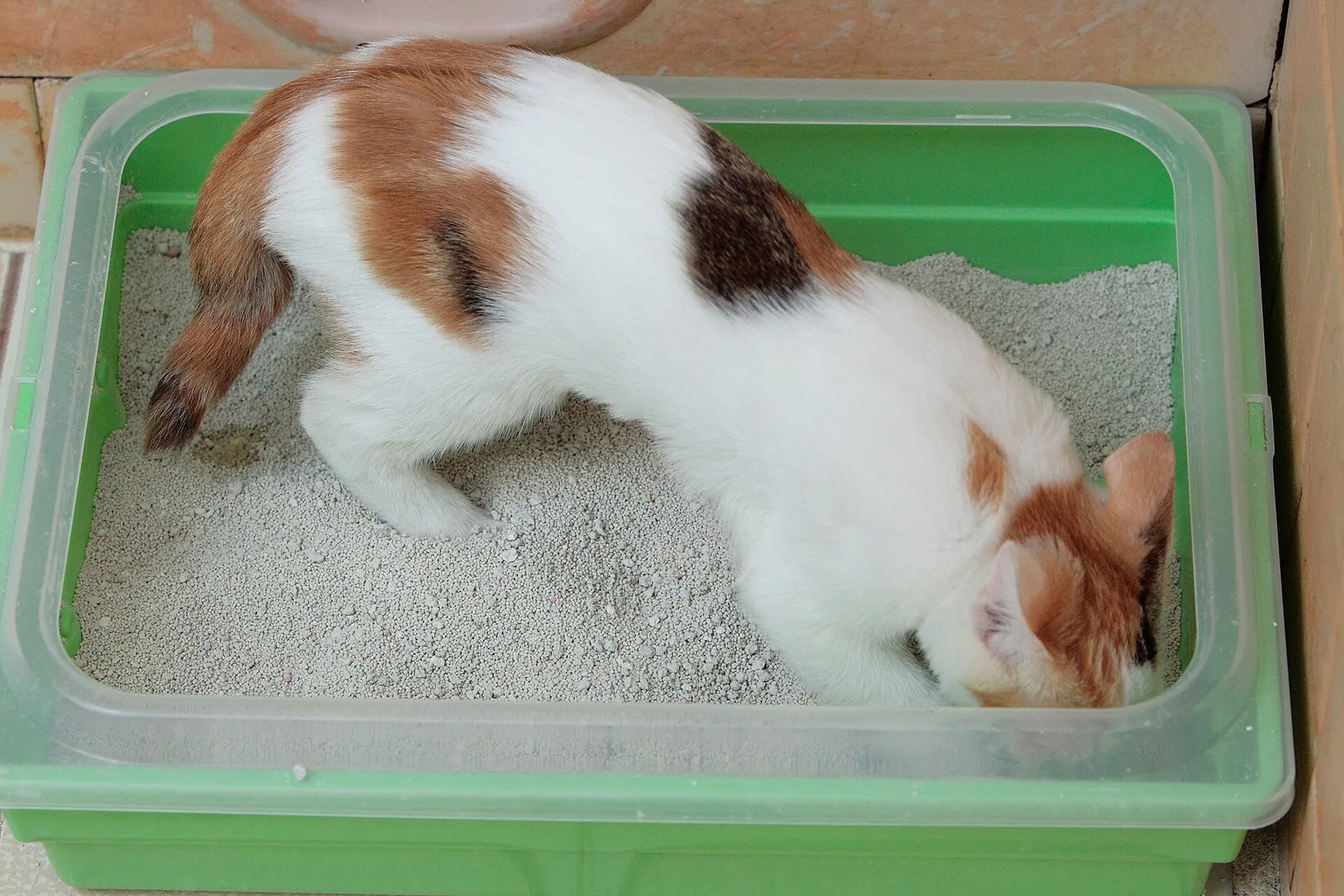
1. Litter. At least one tray per cat (plus one if you have room), set apart from food and away from traffic. Placement faults, not the cat, cause most "litter box problems" — our litter box setup guide covers the details, and our litter box planner sizes the setup for multi-cat homes.
2. Scratching. Scratching marks territory, sheds claw sheaths, and stretches the body. Provide tall, stable posts (taller than fully stretched, or a horizontal pad for cats who prefer the floor), one per scratch "station" — next to the sofa, at corners of the room, not in a far corner (iCatCare: Scratching on furniture and carpets).
3. Hiding and refuge. A hiding spot with an exit route is safety equipment, not shyness. Give every cat an empty box, a covered bed, or a quiet corner they can retreat to without being followed or pulled out (see our survival guide for shy cats settling in).
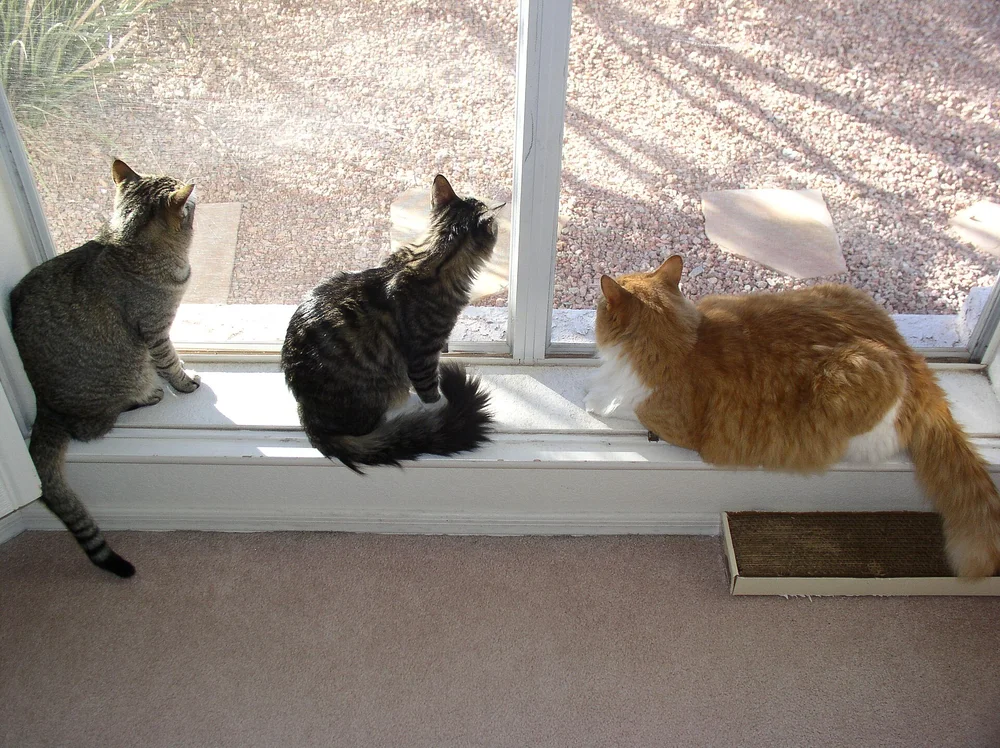
4. Height and view. Cats like to watch the room from above. A window perch, a bookshelf cleared for landings, or a cat tree by the glass converts "bored" into "occupied."
5. Play and enrichment. Short, interactive wand-play sessions that mimic hunting, plus something to think about — a puzzle feeder, rotating toys, a bird-heavy window — keep indoor cats busy and off the mental-health rollercoaster. Our indoor enrichment basics and enrichment planner turn this into a checklist.
Room-by-Room Quick Wins
You do not need to renovate. Each room earns "cat friendly" status when it answers at least two of the five needs — one being a resting or scratching option.
| Room | Cat need it should serve | Quick win |
|---|---|---|
| Living room | Scratch, perch, play | Tall post beside the sofa; perch looking out the window; wand toy in the drawer |
| Bedroom | Rest, hide | A bed on the dresser or a shelf; box with blanket in the wardrobe corner |
| Kitchen | Food, water | Bowls off the walkway, food and water apart, no feeder next to the litter |
| Bathroom / utility | Litter | Tray in a quiet spot with an escape route — not jammed into a dark cubicle |
| Hallway / stairs | Movement and scent trails | Keep it clear of junk; a runner rug catches zoomies with less slipping |
| Balcony / window zones | Viewing, sun | Secure screens; a chair pulled up to the glass becomes a lookout post |
Scratching and Climbing: Buying Guide
If you buy two pieces of cat furniture, buy them well:
- A tall, stable scratching post that does not wobble when leaned on — unstable posts are the main reason cats abandon them. Sisal rope or vertical wood grain works; carpet-covered posts solve one scratching problem and create a carpet-scratching habit.
- A cat tree or shelf route sturdy enough for a running jump. If budget allows only one, put a perch by the window and a post elsewhere — height and scratching rarely happen in the same place.
When a cat scratches the wrong thing, the fix is to protect and redirect — put the right post next to the target surface and reward use of it. Punishment does not work on scratching; redirection does. Our full walkthrough is How to Stop Furniture Scratching Kindly.
Placement math worth remembering: one post for each spot the cat has already chosen to scratch, plus one next to the furniture you most want to protect. A post in a corner nobody uses protects nothing — near the sofa and near the bed are where scratching actually happens.
Small Flats and Rented Homes
Limited floor space is not a limit on cat welfare — vertical space is the multiplier. A rental-friendly setup can be entirely freestanding and damage-free:
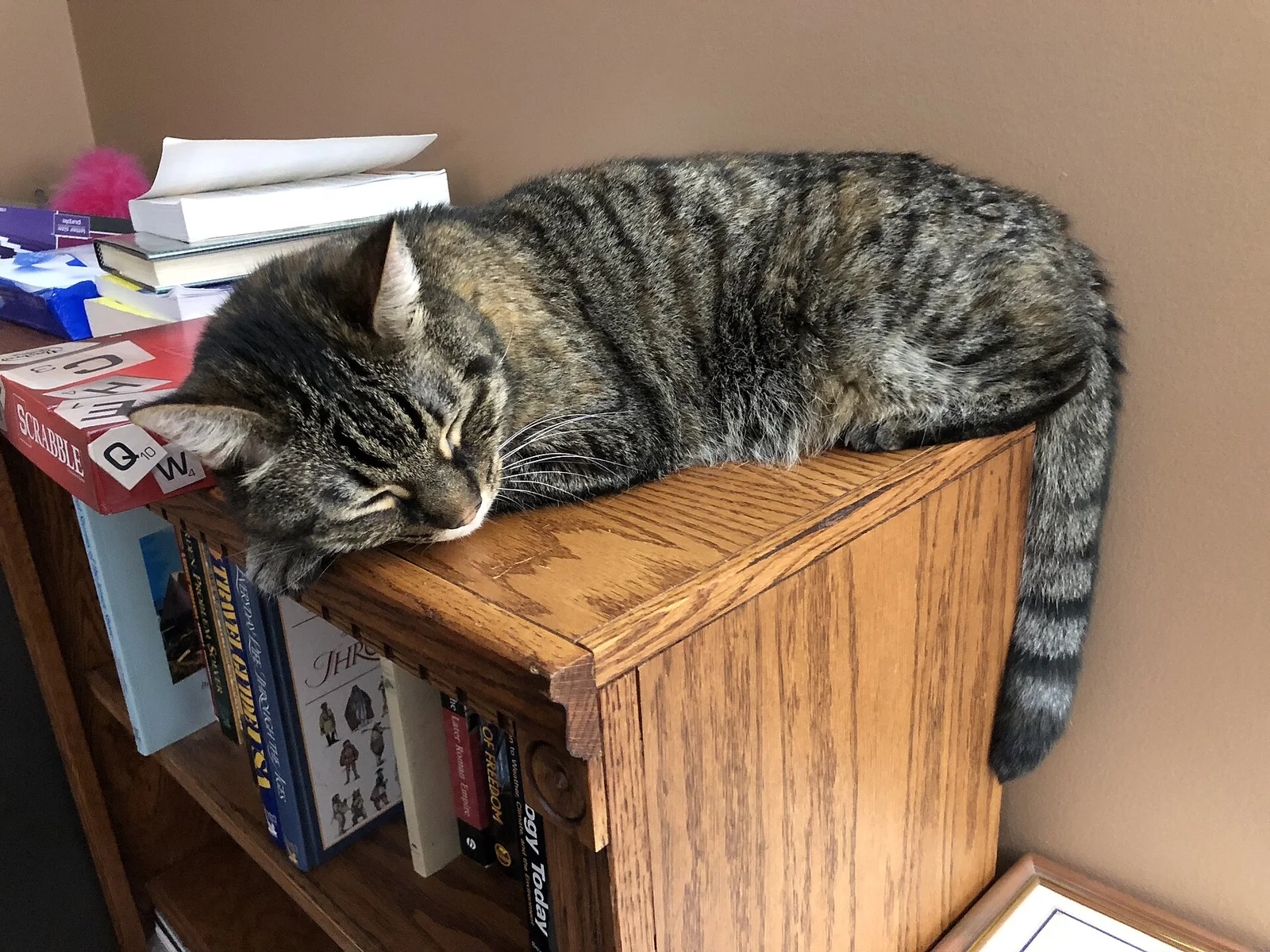
- Go up, not out. A tall cat tree, tension-pole shelves, or a sturdy bookcase with a cleared top shelf adds territory that lives above your furniture.
- Window access without drilling: a tension-mounted perch or removable window film gives a lookout spot; ask before anything that leaves marks.
- Zone even one room. Tray and food at opposite ends, a bed on the warm side, a scratch post near the door as the welcome station.
- Two cats, small space: each cat still needs their own tray, bed, and escape routes — clutter is the enemy and anonymous furniture is the ally.
Noise and stability matter as much as square metres: a flat on a noisy road benefits more from thick curtains and a covered refuge than from any new accessory, and a layout that stays put beats one that gets "refreshed" monthly.
Common Setup Mistakes
- All five needs in one corner. Tray, food, and scratch post shoved into the utility room means the cat "lives" in every room but is equipped in none.
- One litter tray for two cats. The most common cause of litter problems; the fix is more trays, not more telling-off.
- Furniture rearranged weekly. Cats navigate by scent and position — treat your layout like a recipe: change it only deliberately.
- Hiding spots removed "because the cat should socialize." Removing refuge increases stress; the cat comes out more, not less, when hiding is safe.
- Buying everything before observing. Watch where your cat already chooses to sleep, scratch, and watch, then support those spots with better equipment.
- Matching the décor before matching the cat. The prettiest piece is scrap if the cat won't use it — choose stable, tactile, usable furniture and let looks follow.
Trusted Sources
Related Guides and Tools

Indoor Cat Enrichment Basics: Play, Climbing, Scratching, and Choice
A practical enrichment guide for indoor cats, including play routines, food puzzles, scratchers, windows, and rest.
Litter Box Setup 101: Boxes, Litter, Placement, and Cleaning
Set up a litter box system cats are more likely to use: right size, right location, enough boxes, and simple cleaning habits.
How to Cat-Proof Your Home Room by Room
A room-by-room cat-proofing guide for cords, plants, small objects, windows, cleaners, food hazards, and hiding spots.
Related glossary: Vertical Space, Resource Station, Territory.