Quick Answer
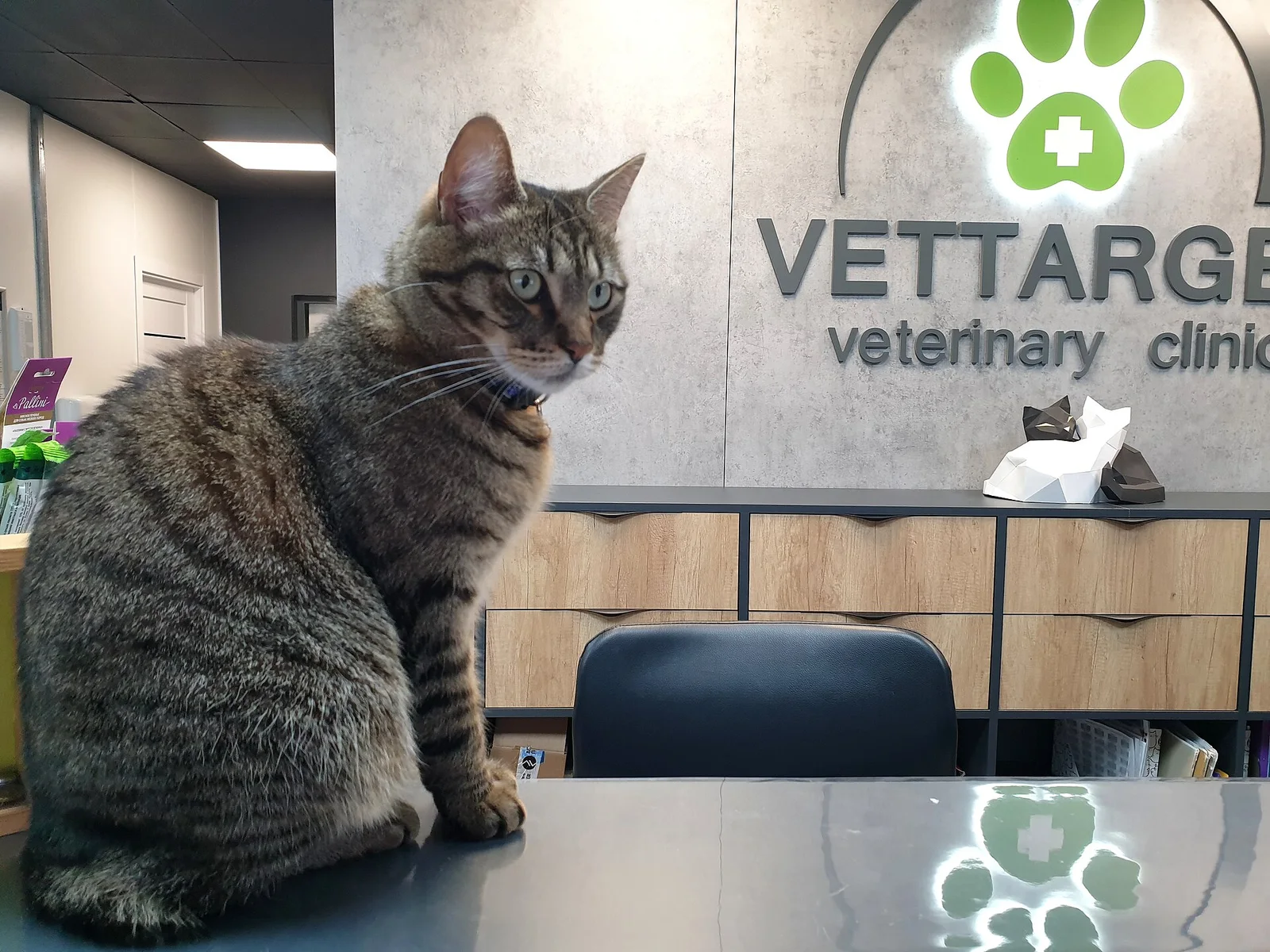
Choose a cat-friendly clinic before you need one, take your new cat for a check-up in the first days home (especially if their health history is unknown), and keep at least one full exam on the calendar every year after that. Most of what a vet does for a healthy cat is early detection — weight, teeth, heart, kidneys — the parts you cannot see from the sofa (iCatCare: Taking your cat to the vet).
- Register early: a clinic chosen calmly beats a clinic found in a panic — and the first visit should happen within the first days home.
- Annual minimum: even indoor cats need a yearly exam; cats hide illness until it is advanced.
- Stress is a clinical issue: a calm cat is a better patient — train the carrier at home and ask for a Cat Friendly Clinic.
Choosing the Right Clinic
Not all clinics are equal when it comes to cats. International Cat Care runs the Cat Friendly Clinic programme — practices that commit to quieter handling, separate cat areas, and staff trained in feline-specific care. Look for one that carries that accreditation, or at least asks the right questions when you call (iCatCare: How to choose a veterinary clinic for your cat).
Practical checklist for choosing:
- Distance and emergency cover. A clinic 30 minutes away is fine until you need one at 2am — confirm who handles out-of-hours emergencies before you ever need it.
- Visit without the cat. Ask for a look around; check whether the waiting area has cat-only zones or raised carrier shelves.
- Ask about costs plainly. Fee structure for a standard exam and vaccines, and whether payment plans or pet insurance direct-billing exist. Knowing this prevents the worst kind of surprise.
The First Visit: What Actually Happens
The first appointment for a new cat is mostly information-gathering plus a nose-to-tail physical. A typical session includes:
- Weight and body condition — the baseline every future visit is measured against.
- A full physical: eyes, ears, mouth and teeth, coat and skin, heart and lungs, abdomen, and joints — the vet is feeling for what you cannot see (Cornell Feline Health Center).
- Vaccination review and parasite control, based on age, history, and lifestyle — indoor status included.
- FeLV/FIV testing when the cat's background is unknown, and deworming as advised.
- Planning conversation: nutrition, microchip, spay/neuter timing for young cats, and what symptoms should bring you back.
Bring everything you know in writing: vaccination cards, prior records, what the cat eats, and how the first days at home have gone. Five minutes of notes saves ten minutes of questions — and tells the vet exactly where to start.
Questions worth asking while you are there: What does this cat weigh, and what is ideal for their frame? Which vaccines are due when? What parasite prevention suits our lifestyle? When should we come back, and what should we monitor at home in the meantime? A good clinic treats these as normal questions — the answers become your care calendar, and your notes become the cat's medical history.
The Ongoing Care Rhythm
After the first visit, the calendar quiets down. Here is the standard rhythm for a healthy cat, with kittens and seniors needing more frequent checks:
| Life stage | Exam frequency | Focus |
|---|---|---|
| Kitten / first year | Vaccine series visits, then first annual | Boosters, growth, parasite control, spay/neuter timing |
| Adult (1-7 years) | At least 1× per year | Weight trend, teeth, heart and lungs, lifestyle questions |
| Senior (7+ years) | Every 6 months ideally | Bloodwork, blood pressure, thyroid and kidney screening — early detection changes outcomes |
International Cat Care's advice is blunt: all cats should have at least one annual check at the veterinary clinic, and some need more; the visit is also where weight tracking becomes a five-year early-warning system for the whole body (iCatCare). If a full exam is genuinely impossible for a stressed cat, say so — clinics can often arrange quieter times, house-call models, or short "happy visits" to build tolerance.
Making Vet Visits Easier for the Cat
A large part of veterinary stress starts before the car. The fixes are the same ones behavior specialists give for every trip:
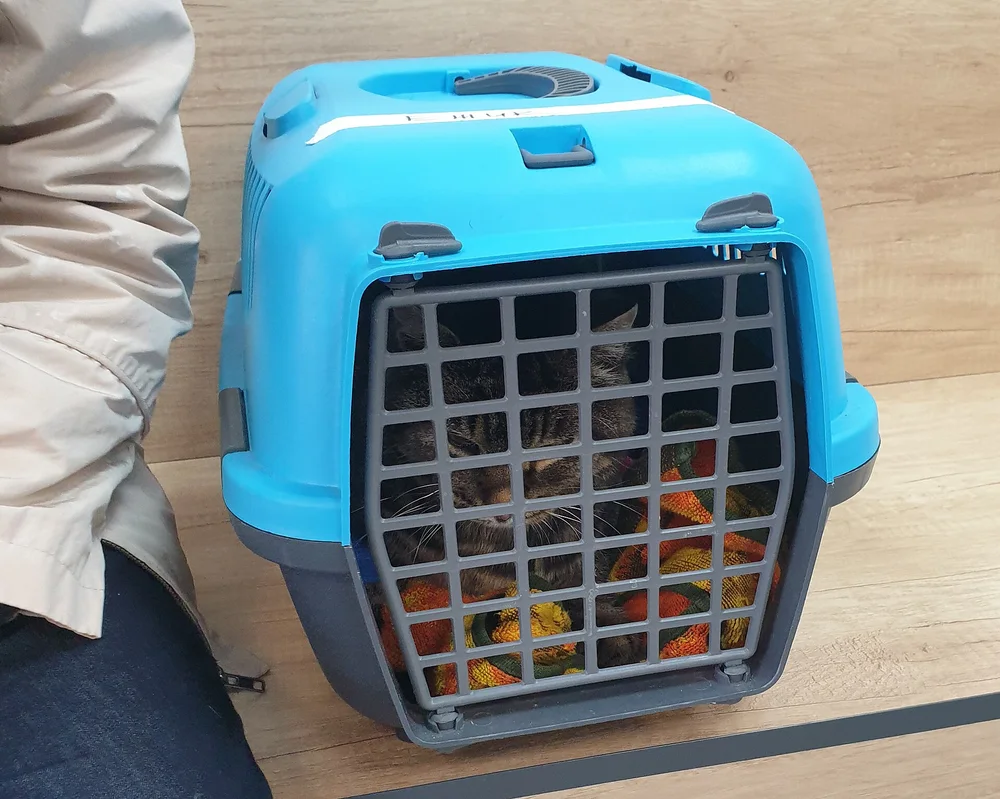
- Keep the carrier out at home. A carrier that lives in the living room (door open, blanket inside, occasional treats) stops being a trap and starts being furniture. Our guide to choosing a carrier and practicing walks through it.
- Cover the carrier in transit with a towel — sight alone stresses many cats in a waiting room.
- Schedule smartly: ask for the quietest time slot of the day, and bring a towel that smells of home for the table.
- After the visit, decompress: a calm room, a snack, and no forced interaction with other pets for a few hours.
With repetition, the carrier stops predicting "vet" and starts predicting "treats, then sometimes a short trip" — which is exactly the association you want when you have to bundle the cat out the door at short notice. Cats who only see the carrier on clinic mornings never get the chance to build it.
What to Expect on Cost
Vet costs vary enormously by region, clinic, and cat, so the honest answer is: ask your clinic for their fee sheet and budget for the annual baseline plus a contingency. The two cost levers in your control are prevention (vaccines, parasite control, dental attention, weight management) and timing (routine problems at a scheduled visit cost less than emergencies at midnight). Our monthly cost planner helps build the routine side of that picture, but keep a separate buffer for the unexpected.
Two money habits worth setting up early: a pet-insurance policy or a dedicated savings pot converts emergencies from cash decisions into care decisions; and ask whether your clinic offers wellness plans that spread routine costs across the year.
When to Call Between Visits
Do not wait for the annual exam if you notice: not eating for more than 24 hours, repeated vomiting, diarrhea beyond a day, straining to urinate or no urine production (an emergency in male cats especially), labored breathing, sudden lethargy, sudden lameness, or a wound that will not stop bleeding. Our symptom checklist and guide to a cat who stops eating cover the common early signals. Cat Cafe Central is educational content and cannot diagnose or treat your cat.
Common Mistakes New Owners Make
- "Indoor cats don't need the vet." Indoor cats live longer, which is exactly why they need screening — aging quietly is the thing the annual exam catches.
- Waiting for symptoms. Cats mask illness by instinct; by the time symptoms show, the problem has usually been developing a while.
- One carrier, two cats. Two cats in one carrier doubles everyone's stress. One carrier per cat, always.
- Loose in the car. Use a seatbelt-secured carrier — a loose cat in even a minor crash is a serious risk to everyone.
- Skipping the "boring" visits. The quiet check-up is the appointment that finds the thing that matters.
Trusted Sources
Related Guides and Tools

Cat Hairballs and Vomiting: What Is Common and When to Worry
A practical guide to hairballs, vomiting red flags, brushing routines, diet conversations, and when to call a veterinarian.

Cat Not Eating: What to Check and When to Call the Vet
A calm appetite checklist for cats who skip food, including food changes, stress, nausea signs, and urgent veterinary boundaries.
Cat Peeing Outside the Litter Box: What to Check First
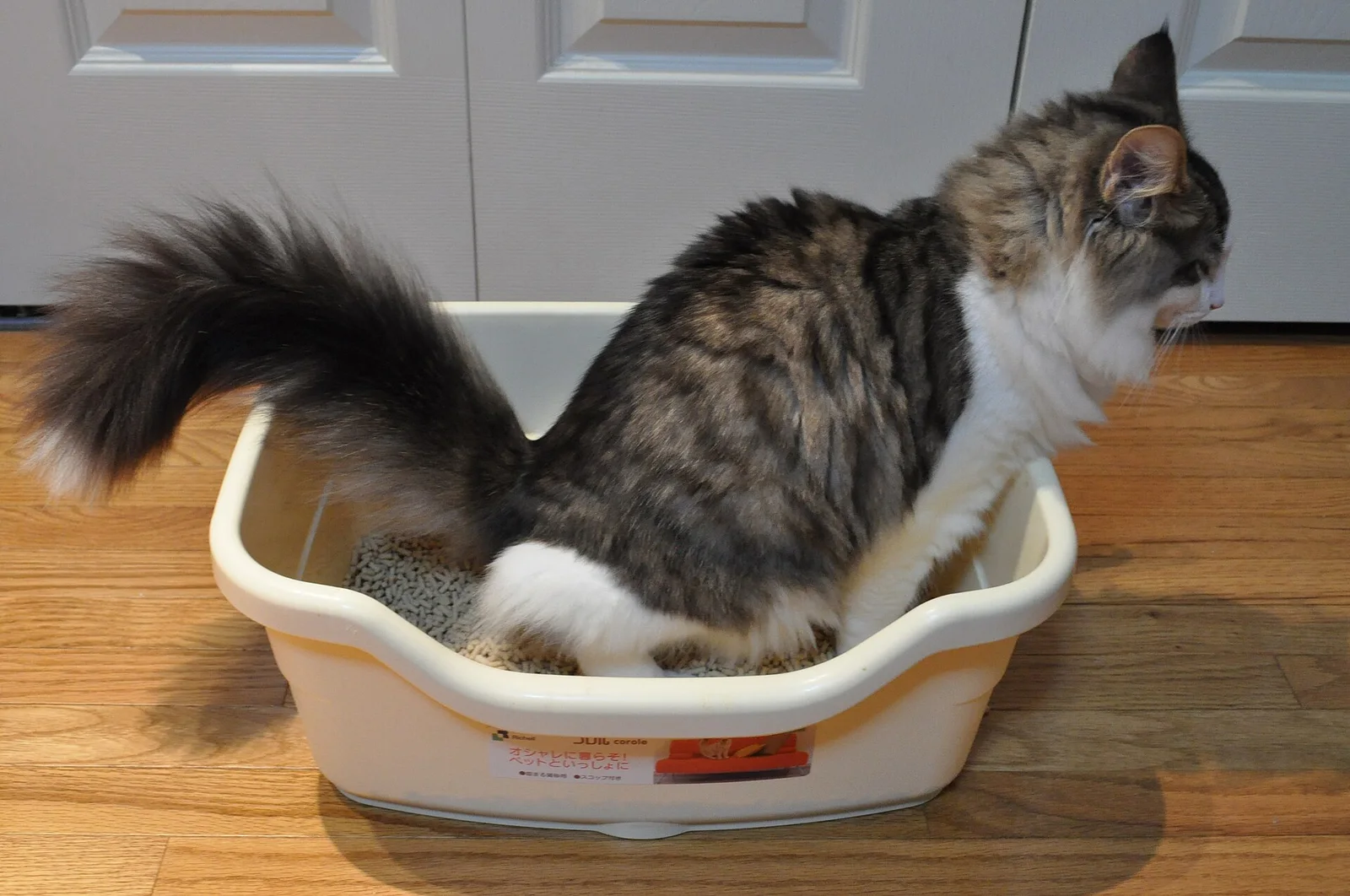
A cautious guide to litter box accidents, including urgent urinary red flags, setup checks, cleaning, and stress factors.
Related glossary: Preventive Care, Microchip, Emergency Sign.