Myth 1
Cats are low-maintenance pets.
Cats are independent in some ways, but they still need daily food, clean water, litter care, enrichment, grooming checks, and veterinary planning.
Shareable facts
A myth-buster library for shareable cat-care claims, social media advice, and common beginner misunderstandings.
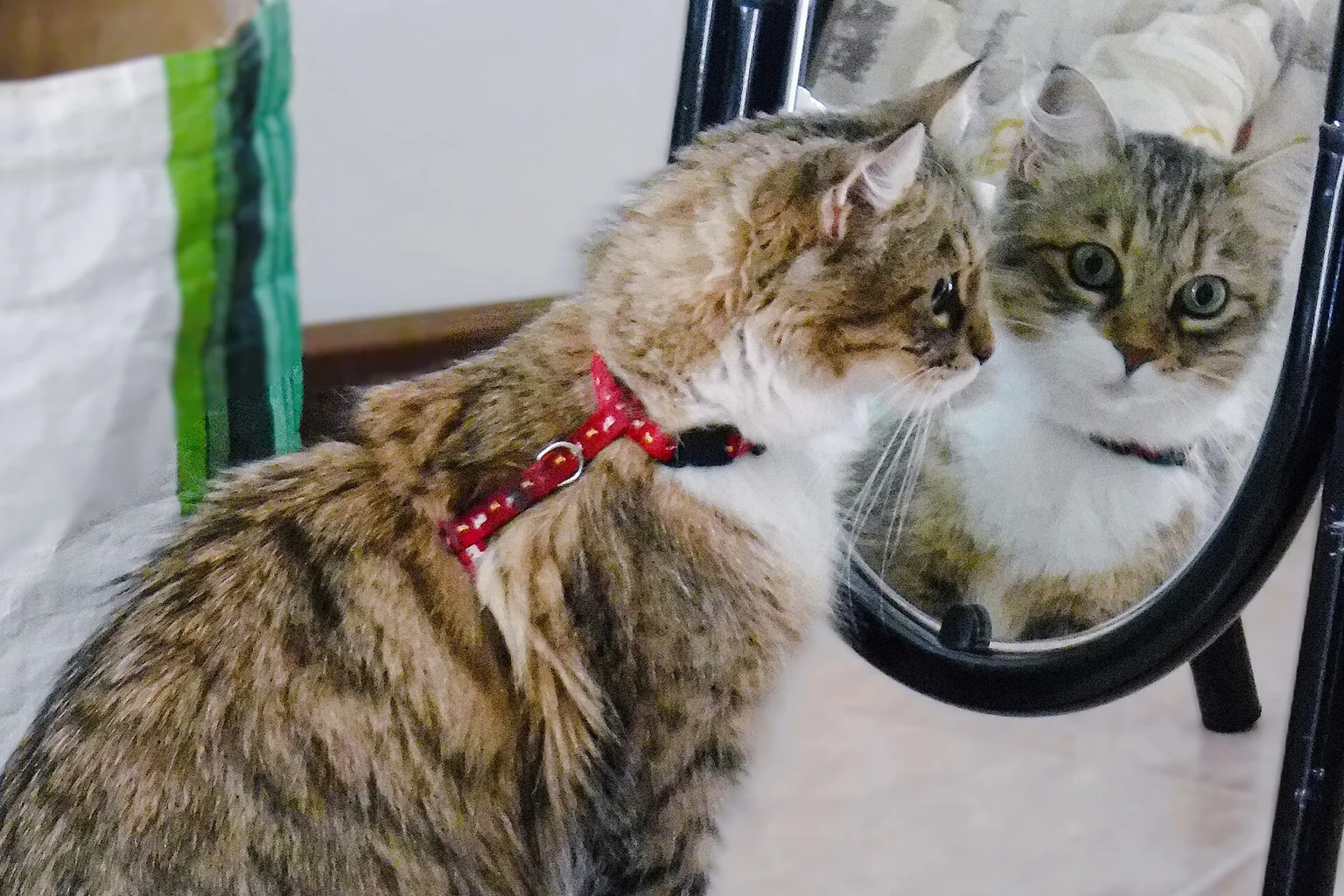
Social posts often compress cat care into one-liners. Use these calm fact checks as a starting point, then follow the linked guides when a topic needs more context.
Myth 1
Cats are independent in some ways, but they still need daily food, clean water, litter care, enrichment, grooming checks, and veterinary planning.
Myth 2
House-soiling can be medical, stress-related, access-related, or preference-based. Sudden changes deserve veterinary attention.
Myth 3
Purring can happen when a cat is relaxed, but also when a cat is stressed or unwell. Read the whole body and context.
Myth 4
Indoor cats need safe ways to hunt, climb, scratch, sniff, watch, hide, and rest.
Myth 5
Hand play teaches biting skin. Use toys from the beginning so adult play stays safe.
Myth 6
Some cats accept one box, but multi-cat, multi-floor, senior, kitten, and stress-prone homes usually need more options.
Myth 7
Scratching is normal stretching, scent, visual marking, and nail maintenance. Redirect it to better surfaces.
Myth 8
Occasional hairballs can happen, but repeated vomiting, appetite change, weakness, or weight loss needs veterinary advice.
Myth 9
Cats can learn carrier comfort, handling, recall, tricks, and cooperative care through short positive sessions.
Myth 10
Forced handling often increases fear. Provide safe hiding and let trust build gradually.
Myth 11
Many cats drink more comfortably when water is placed away from food and litter.
Myth 12
Some cats dislike covered boxes because they trap odor or limit escape. Cat preference matters.
Myth 13
Aging changes can be normal, but pain, weight loss, new vocalizing, litter changes, or appetite shifts should be discussed with a veterinarian.
Myth 14
Introductions usually go better with separation, scent work, resource spacing, and slow visual access.
Myth 15
Cats differ. Some prefer ground stalking, some air pounces, some food puzzles, some quiet watching.