Quick Answer
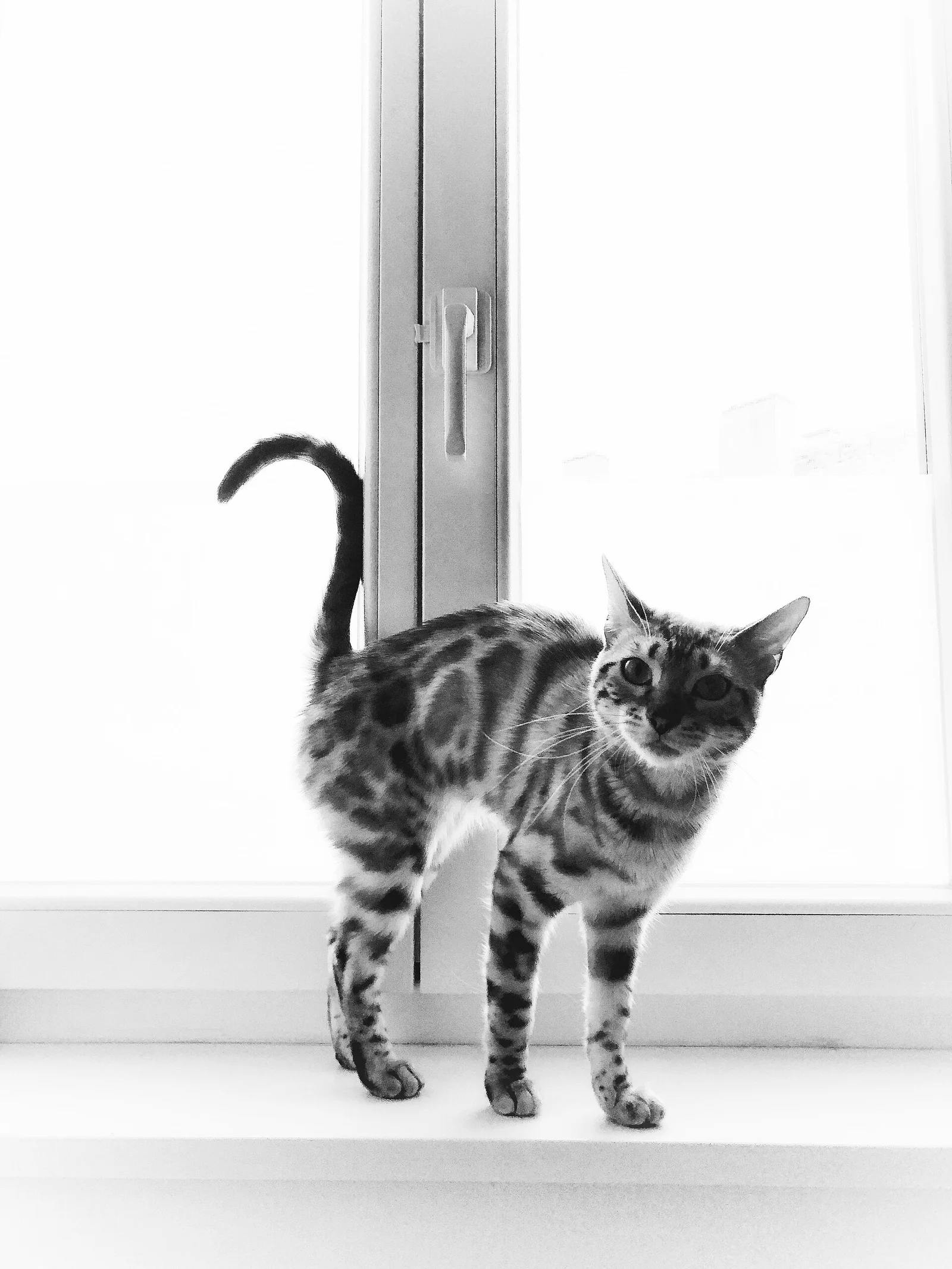
Cats communicate with their whole bodies — tail, ears, eyes, posture — and most signals are calm and readable once you know what to watch. A tail held high with a slight hook at the top usually means a confident, friendly greeting; ears pinned flat against the head mean fear or annoyance; slow, sleepy blinks in your direction are a cat's way of saying "I trust you" (and you can blink back — here's how). The key is reading signals in combination rather than one body part at a time. International Cat Care breaks feline communication into four channels: visual signals (posture, facial expression, pupils, fur), touch, vocalization, and scent (iCatCare: Cat Communication).
- Tail up with a hook = friendly, confident approach — the feline "hello."
- Slow blink = trust and relaxation; blink back slowly.
- Ears flat and sideways = fear or annoyance — give space.
- Puffed fur + arched back = scared and trying to look bigger — back off.
Why Reading Body Language Matters
Most cat bites and scratches don't come out of nowhere — they come after a series of signals the cat sent and the human missed. Cats are masters of subtlety: a flicking tail tip, a single ear turned back, a pupil suddenly dilating. Learning to read these signs prevents injuries, builds trust, and — in multi-cat homes — helps you spot tension before it becomes a fight. Our guide to introducing two cats is built entirely on reading those early tension signals.
The other reason body language matters: it is the earliest window into how a cat feels physically. A cat who suddenly holds their tail low, tucks their body, and stops grooming may be in pain rather than in a mood. Understanding your cat's normal baseline — how they normally hold their tail, where they normally sit — is what makes deviations obvious (iCatCare: Cat Communication).
Tail Talk: The Most Readable Channel
The tail is a cat's most expressive appendage. Here's a quick reference for the positions you'll see most often:
| Tail position | What the cat is saying |
|---|---|
| Straight up, tip slightly hooked | Confident, friendly greeting — a happy cat approaching you |
| Straight up, fur puffed | Excited but defensive — may be startled |
| Low, near or between the legs | Fear, submission, or feeling unwell |
| Whipping side to side, fast | Overstimulated or annoyed — stop what you're doing |
| Gentle sway or slow swish | Focused, interested, sometimes mid-hunt |
| Wrapped around another cat or your leg | Affection and social bonding |
| Puffed like a bottle brush | Scared — the cat is trying to look bigger |
A tail held high is one of the most reliable friendly signals in cats — International Cat Care notes that cats who are feeling positive and confident will often approach with their tail up (iCatCare: Cat Communication). If your cat greets you at the door with a tall tail, that's an invitation to interact.
Ears, Eyes, and the Face
- Ears forward and relaxed — interested, content, paying attention to you.
- Ears rotated sideways ("airplane ears") — annoyed or anxious; the cat is deciding whether to leave or defend.
- Ears flat against the head — fearful, defensive, or angry. Give this cat space immediately.
- Slow blinks — a cat who looks at you and blinks slowly is signaling trust. Blink back slowly; many cats respond by relaxing.
- Dilated pupils — can mean excitement (play) or fear. Check the rest of the body: wide pupils + ears forward = play; wide pupils + crouched body + ears flat = fear.
- Constricted pupils — can signal tension or aggression in an aroused cat. Context matters — bright light also constricts pupils naturally.
- Direct, unblinking stare — in cat language, staring is a mild challenge. Avoid long direct stares at a cat you don't know; the slow blink is the polite alternative.
Facial reading works best in combination. A relaxed cat has soft eyes, forward ears, and relaxed whiskers pointing sideways; a tense cat has wide eyes, flattened whiskers pressed back, and ears rotated. International Cat Care's work on visual communication emphasizes exactly this: pupil size, ear position, and facial expression together tell you mood and intention far better than any single feature (iCatCare: Cat Communication).
Posture and Movement: The Whole-Body Read
- Arched back, fur flat, approaching you — often an invitation to pet (they're rubbing the arch into your hand).
- Arched back, fur puffed, body turned sideways — fear display; the cat is making itself look large. This is the Halloween-cat pose and means "stay back."
- Crouched low, tail wrapped tight, head tucked — fearful or feeling unwell. If this comes with hiding, our guide to helping a hiding cat settle covers what to do.
- Rolled onto the side or back, relaxed — a trusting, content cat. Careful: a belly display is often an invitation to stroke the head, not a request for belly rubs — many cats will grab your hand if you go for the stomach.
- Kneading with the front paws — a contentment behavior carried from kittenhood; cats often knead when they feel safe (here is why cats knead).
- Rubbing their head or flank against you — marking you with facial pheromones; it claims you as part of their safe territory.
- Sudden freeze mid-groom or mid-step — the cat heard or saw something and is assessing. Let them finish assessing; startling a frozen cat can trigger a startle response.
Context is everything. A cat who arches and rubs against your legs at feeding time is saying hello; the same arch with puffed fur at the window is saying "there's a strange cat outside." Reading the situation plus the posture gives you the message.
Pairing Sounds With Body Language
Meows are mostly directed at humans, and cats adjust their vocalizations to what works. A short, rising meow at the door with a tall tail is a greeting; a long, low yowl with a crouched body is distress or complaint. Hissing, growling, and spitting are unambiguous — they accompany fear or anger and should always be respected as a stop signal. Purring usually means contentment, but cats also purr when stressed, in pain, or during labor — it can be self-soothing. If purring is paired with a hunched posture, hiding, or not eating, treat it as a possible pain signal rather than happiness. For the sounds your cat makes at night, our guide to calming nighttime meowing covers the causes behind yowling and how to respond.
Common Mistakes Owners Make
- Reading one signal in isolation. A wagging tail means something entirely different in cats than dogs — fast tail whipping in a cat is irritation, not joy. Always read tail, ears, eyes, and posture together.
- Punishing growls or hisses. A hiss is communication, not misbehavior. Punishing it teaches the cat that you're unpredictable and makes future warnings less likely before a bite.
- Insisting on belly rubs. A relaxed cat showing its belly is trusting you — grab the belly and many cats will interpret it as a violation of that trust.
- Staring down an unfamiliar cat. Direct eye contact is a challenge in cat language. Blink slowly or look slightly away to signal you're not a threat.
- Ignoring subtle stress signals. Ears rotated back during petting means "enough." Respect it, and you'll build a cat who asks for petting more often. See our guide to stress-free grooming basics for how to read signals during handling.
Trusted Sources
Related Guides and Tools
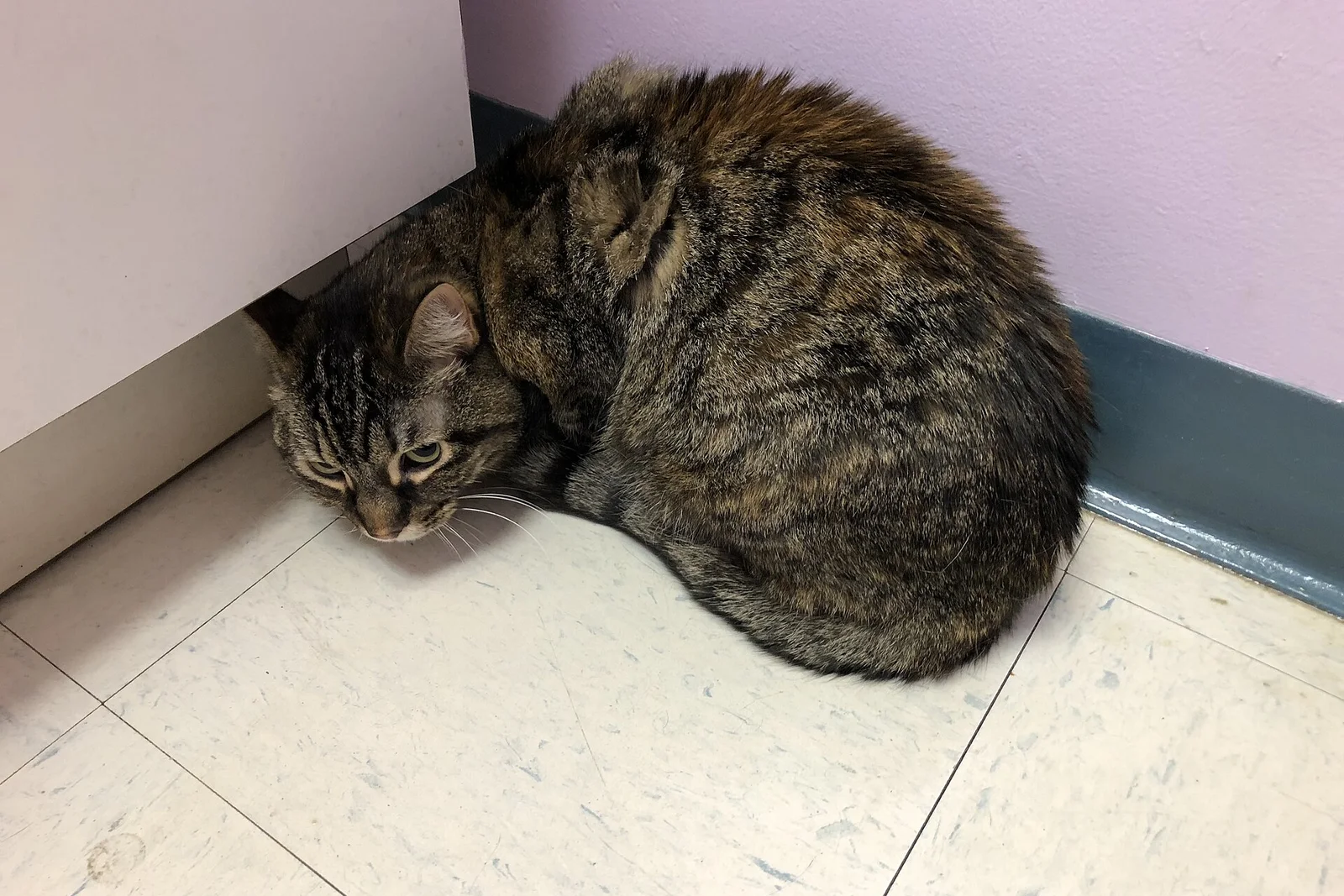
How to Help a Shy Cat Settle In Without Pushing Too Hard
A gentle plan for shy cats using safe rooms, predictable visits, low-pressure play, scent, and patience.
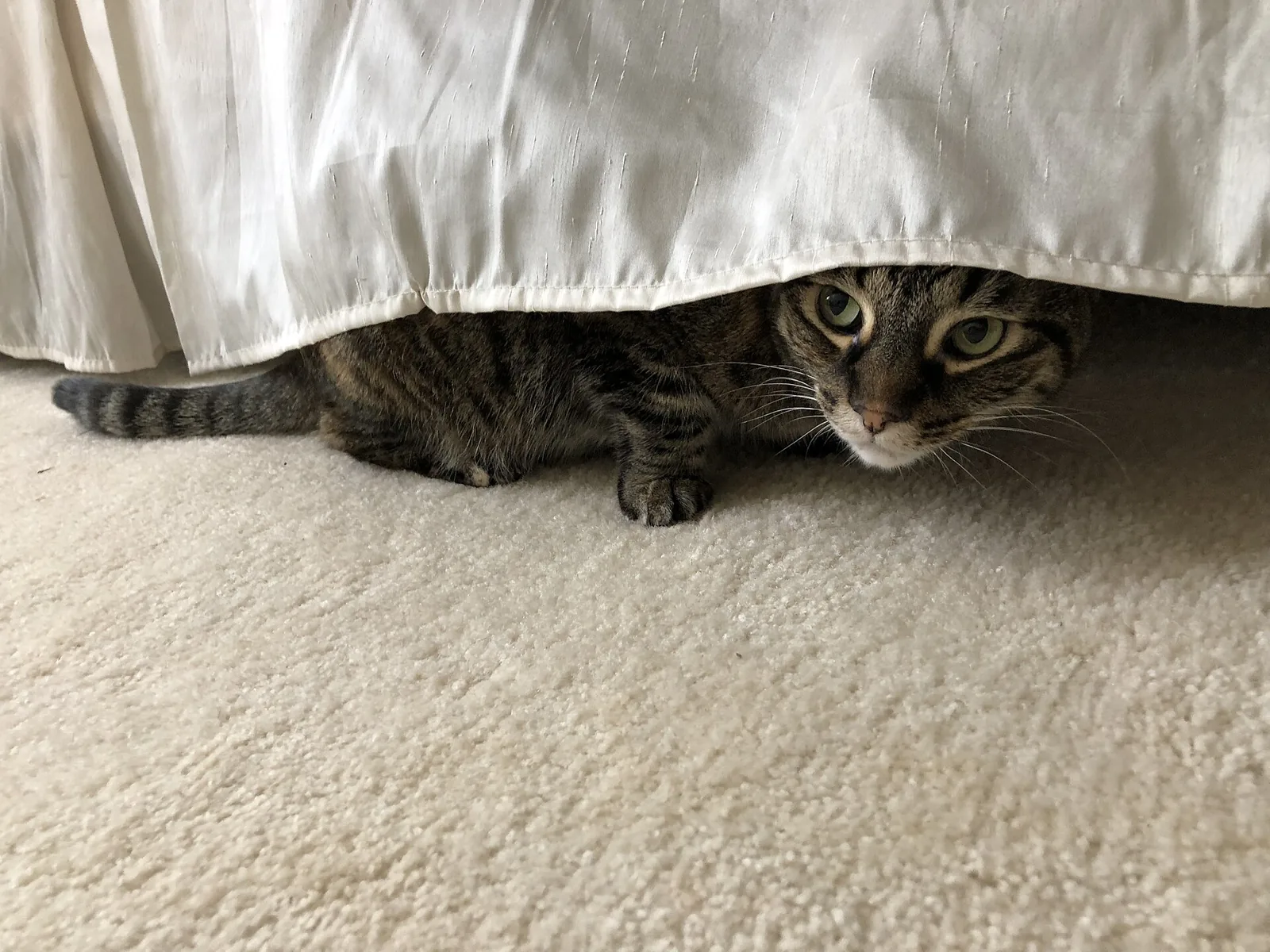
Cat Hiding After Adoption: What Helps and What Makes It Worse
Understand normal adoption hiding, create safer hiding options, track food and litter, and know when hiding needs help.
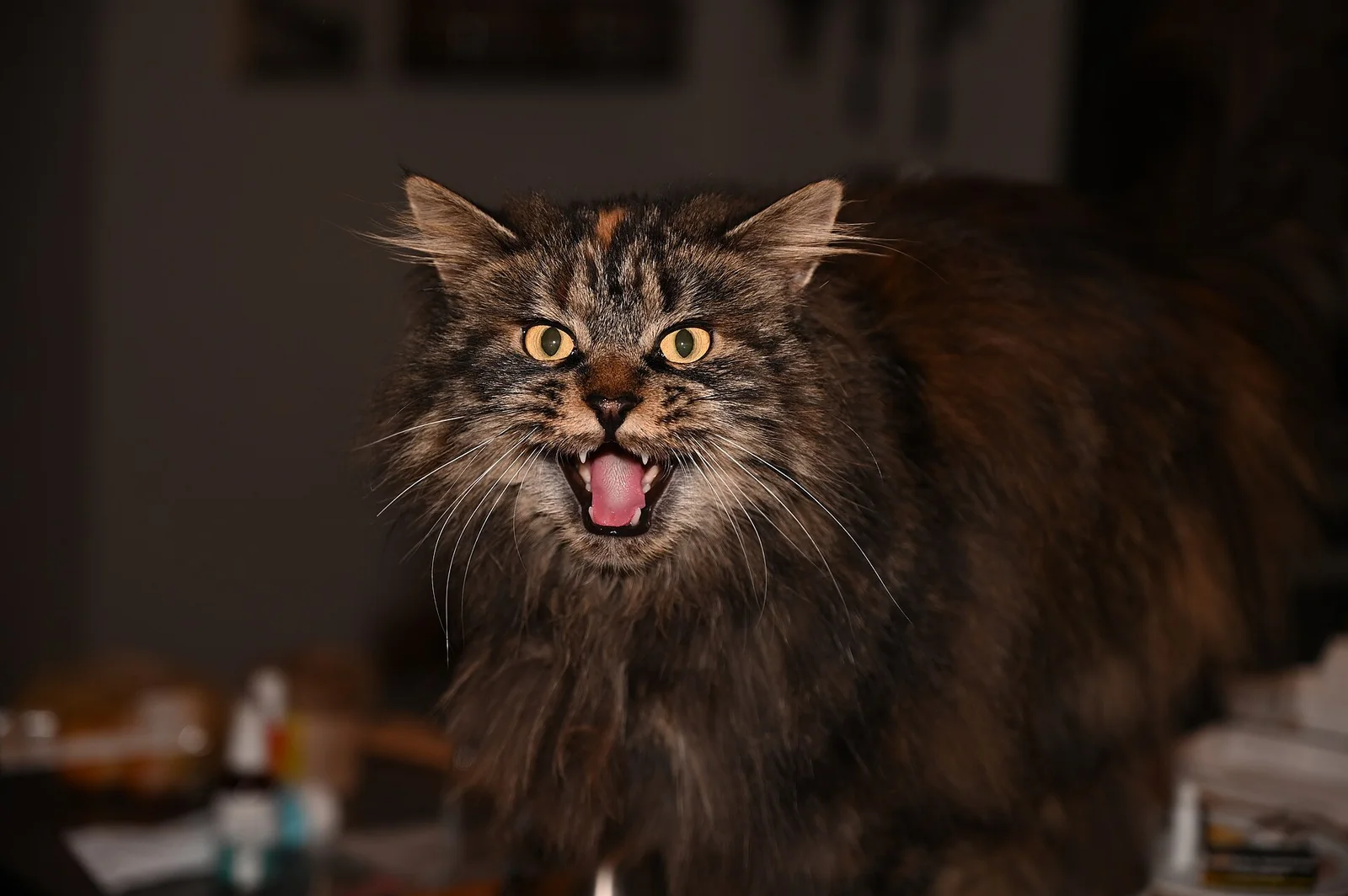
Cat Meowing at Night: Calm Fixes That Respect the Cat
Troubleshoot nighttime meowing with health checks, play timing, feeding rhythm, boredom, and reinforcement patterns.
Related glossary: Slow Blink, Overstimulation, Stress.